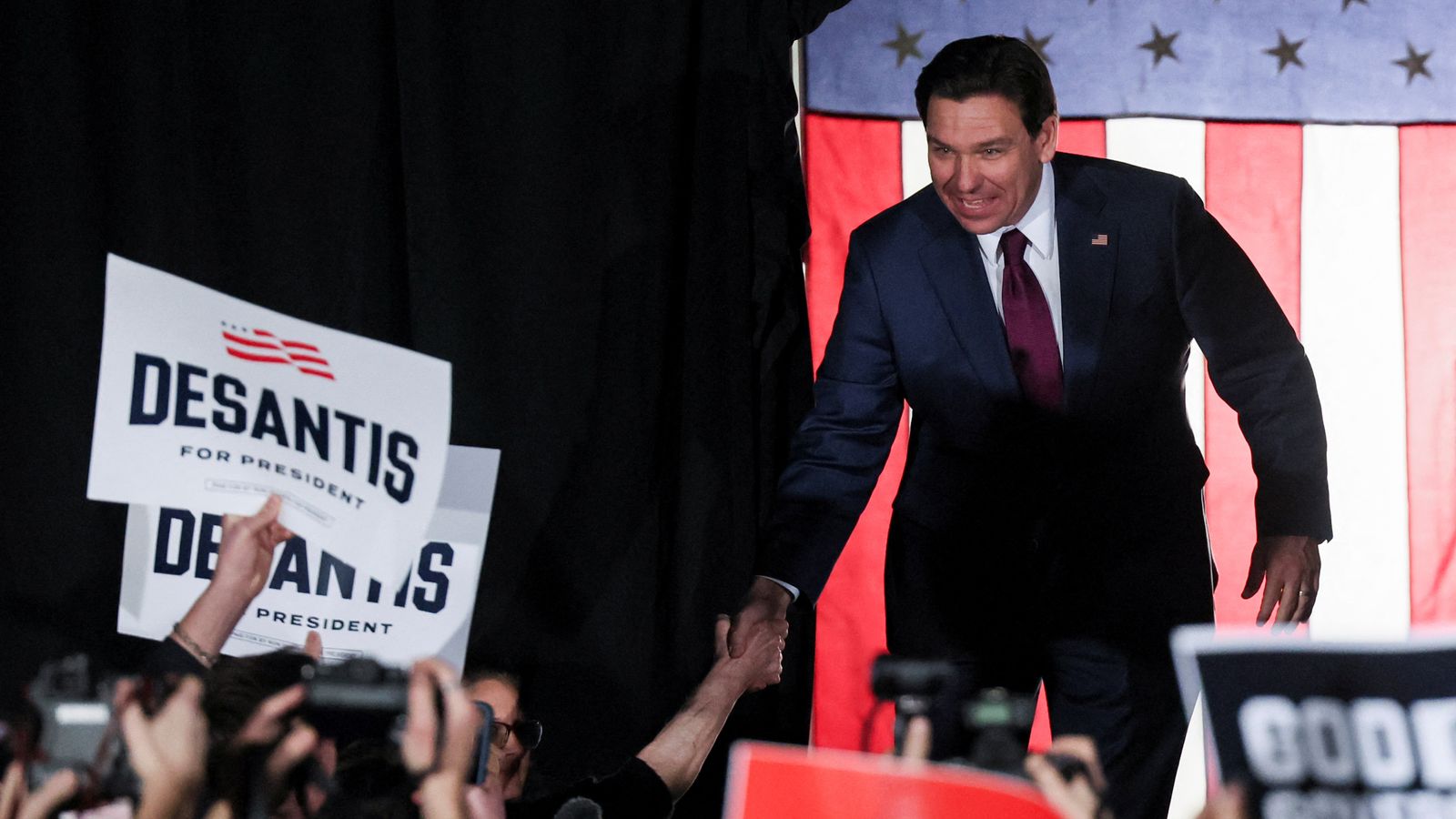
Florida Gov. Ron DeSantis has signed the state’s Fiscal Year 2026‑27 budget, which includes a key provision barring state agencies from contracting with advertising firms that rely on media monitors and so‑called “misinformation” blacklisters. The move marks the second consecutive year that DeSantis has reinforced Florida’s position at the forefront of a national campaign against viewpoint discrimination in advertising.
The provision prohibits state agencies from doing business with advertising firms that use media‑rating or monitoring organizations—such as NewsGuard, Ad Fontes Media, and the Global Disinformation Index (GDI)—when placing taxpayer‑funded ads. Supporters of the measure argue that these organizations influence corporate advertising decisions by assigning risk assessments or bias ratings to news outlets, which they say steers revenue away from conservative and independent publishers.
The Independent Media Council (IMC), a coalition of conservative and independent media organizations, praised the governor for renewing the policy. “Gov. DeSantis has once again demonstrated Florida’s leadership in defending free speech and viewpoint diversity,” said Christine Czernejewski, an IMC spokesperson. “By signing this provision for a second year, Florida is sending a clear message that taxpayer‑funded advertising should be focused on reaching the broadest possible audience, not filtered through politically motivated media blacklist systems,” she added.
Famed legal expert Jonathan Turley has described NewsGuard’s ratings system as a “massive censorship system.” The Media Research Center, in three annual reviews, found that NewsGuard consistently ranks conservative media significantly lower than left‑wing outlets. Critics contend that such rating systems effectively create “blacklists” that disadvantage media based on political viewpoint rather than audience reach or advertising performance.
Florida first adopted the budget language last year, becoming one of the first states to directly address the use of media‑monitoring organizations in state advertising contracts. By extending the policy for another year, the state is signaling its intent to keep taxpayer dollars from flowing through advertising firms that rely on those ratings.
The move comes amid broader national scrutiny of advertising industry practices. Congress has for the past two years included provisions in the National Defense Authorization Act aimed at limiting the Department of War’s use of advertising firms that employ politically biased media‑monitoring systems. The Federal Trade Commission has also increased its examination of alleged political discrimination within the advertising industry, including through investigations and merger reviews. Those federal actions have followed consent agreements prohibiting some of the world’s largest advertising agencies from engaging in viewpoint discrimination when directing ad dollars.
State governments are beginning to follow Florida’s lead. Earlier this year, West Virginia enacted the First Amendment Preservation Act, legislation designed to protect against government‑supported censorship and viewpoint discrimination. “What began as a first‑in‑the‑nation effort is increasingly becoming a national movement,” Czernejewski said.
Leave a Reply