China’s diplomatic relations with the United States, preparations for the forthcoming Asia-Pacific Economic Cooperation (APEC) summit, developments in biotechnology, anti-corruption investigations and economic cooperation with Asian neighbours feature prominently in the country’s latest news.
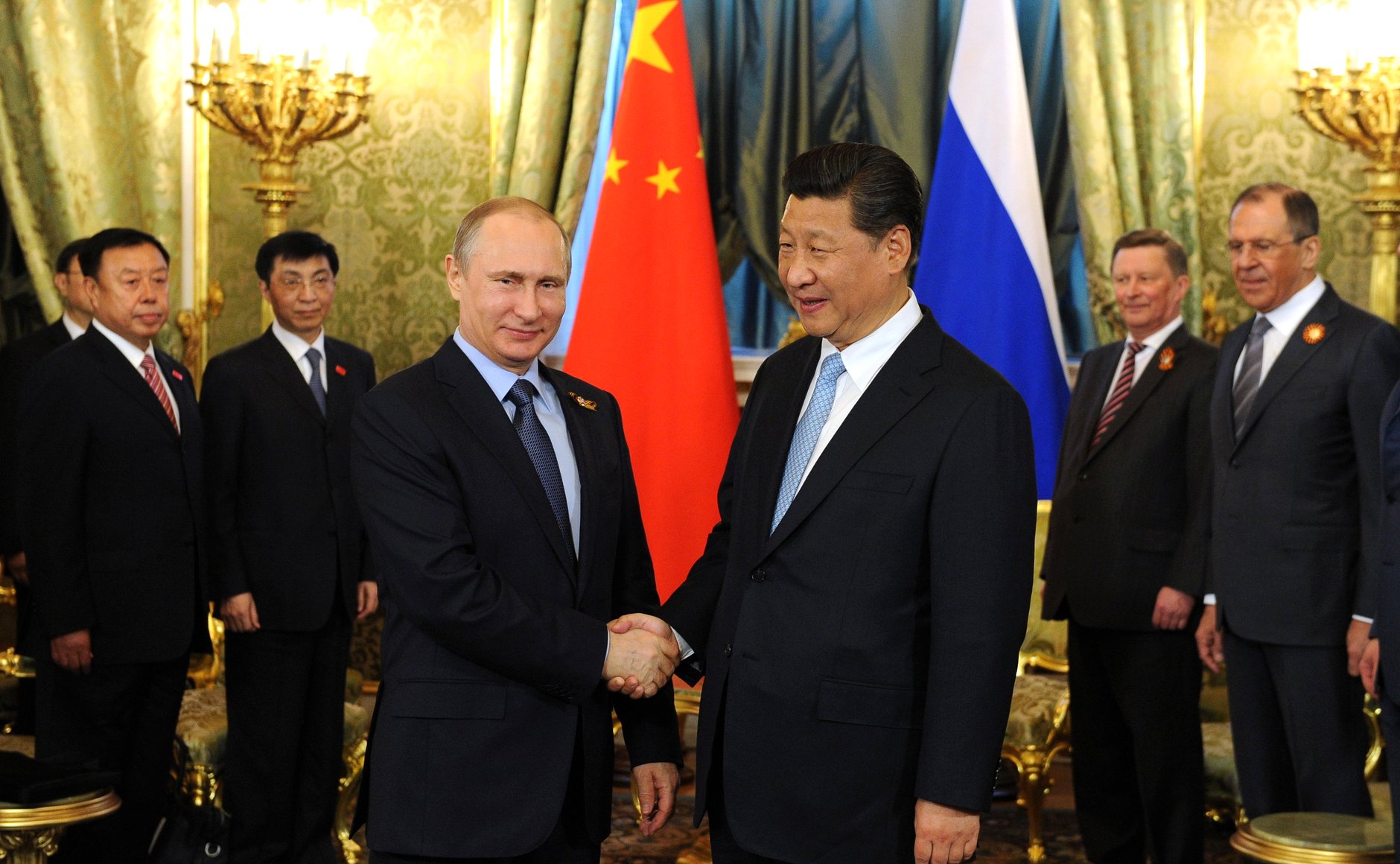
One of the biggest developments is the anticipated meeting involving Chinese President Xi Jinping, US President Donald Trump and Russian President Vladimir Putin in Shenzhen next week. Meanwhile, Beijing and Washington have resumed discussions on tariffs and agricultural trade in an effort to address outstanding economic disagreements.
Other significant developments include the dismissal of scientists following the death of a six-year-old girl during an experimental gene-editing procedure, a fresh corruption investigation involving a senior executive of a major state-owned construction company, and China’s approval of a new oral weight-loss medication developed by American pharmaceutical company Eli Lilly.
Here is an extensive roundup of the major China-related developments for Saturday, November 14, 2026.
1. China and United States Resume Trade Negotiations Ahead of Xi-Trump Meeting
China and the United States have held their first trade council meeting, discussing tariffs, agricultural imports and other outstanding economic disagreements ahead of an anticipated meeting between President Xi Jinping and President Donald Trump in Shenzhen.
The discussions took place on Friday, November 13, with China’s Ministry of Commerce announcing details on Saturday.
The meeting represents another attempt by the world’s two largest economies to stabilise their commercial relationship following prolonged disagreements over tariffs, technology restrictions, agricultural purchases and market access.
According to China’s Commerce Ministry, both countries discussed the implementation of agreements reached during previous economic and trade negotiations.
The ministry described the discussions as:
“The two sides held candid, in-depth and constructive exchanges on implementing the outcomes of previous China-US economic and trade talks, including tariffs, a reciprocal ‘US$30 billion (S$38.6 billion)-for-US$30 billion’ tariff-cut arrangement, agricultural trade and other issues of mutual concern.”
Although the discussions were described positively, the Chinese government did not announce any concrete agreement or confirm that the outstanding tariff arrangements had been finalised.
One of the major issues involves a proposed US$60 billion reciprocal tariff-reduction package. The arrangement would include approximately US$17 billion worth of American agricultural products that China imported in 2024.
Beijing has repeatedly urged Washington to implement the proposed tariff reductions, arguing that doing so would create better conditions for expanding agricultural purchases.
However, China’s purchases of American agricultural products other than soybeans are reportedly on course to reach a seven-year low in 2026, despite an agreement involving annual purchases worth US$17 billion through 2028.
The situation demonstrates the difficulties facing both governments as they attempt to translate diplomatic understandings into actual commercial transactions.
The discussions are particularly significant because China remains an important destination for American agricultural exports, while American consumers and businesses depend on Chinese manufacturing and supply chains.
Both countries indicated that the trade council would continue addressing commercial concerns, expanding cooperation and resolving outstanding disagreements.
The outcome of the negotiations could influence the atmosphere surrounding the anticipated Xi-Trump meeting in Shenzhen next week.
2. Trump, Xi and Putin Expected to Hold Historic Trilateral Meeting in Shenzhen
China is preparing to host an important diplomatic gathering involving three of the world’s most influential political leaders: President Xi Jinping, US President Donald Trump and Russian President Vladimir Putin.
The White House announced on November 14 that Trump intends to meet Xi and Putin in Shenzhen on Thursday, November 19, on the sidelines of the APEC gathering.
The proposed meeting is particularly significant because it would bring together the leaders of the United States, China and Russia in a trilateral format.
One of the major issues expected to feature in the discussions is nuclear arms reduction.
The Trump administration has indicated that the American president wants to explore opportunities for reducing nuclear weapons and encouraging discussions involving the three countries.
However, Washington does not expect the meeting to produce an immediate agreement.
The White House considers the discussions a possible starting point for future negotiations, particularly because China has traditionally resisted direct negotiations with Washington over its nuclear weapons programme.
The United States and Russia possess the world’s largest nuclear arsenals, while China has continued expanding its own nuclear capabilities.
The expiration of the US-Russia New START nuclear arms control treaty earlier in 2026 has further increased international concerns about the future of strategic weapons negotiations.
Trump is also expected to raise the US-Israeli war against Iran during discussions with the two leaders.
However, the White House indicated that Ukraine would not be a central subject of the anticipated discussions and that Trump was not planning a separate bilateral meeting with Putin.
The diplomatic significance of the gathering extends beyond nuclear weapons.
China’s position as host provides Beijing with an opportunity to demonstrate its international diplomatic influence and engage directly with Washington and Moscow on issues affecting global security.
The meeting also comes amid continuing disagreements involving international trade, artificial intelligence, military technology and geopolitical competition.
Elon Musk is expected to accompany Trump on his China visit but will not participate in the leaders’ meeting.
Whether the three presidents can use the gathering to establish a framework for meaningful international cooperation remains uncertain. Nevertheless, the proposed discussions are expected to attract considerable international attention.
3. Shanghai Dismisses Scientists Following Death of Six-Year-Old Girl in Experimental Gene-Editing Treatment
An investigation into the death of a six-year-old girl following an experimental gene-editing procedure has resulted in the dismissal of scientists and disciplinary measures against researchers in Shanghai.
The case has raised serious questions about research ethics, medical safety, informed consent and the responsibilities of institutions conducting experimental treatments involving children.
According to reports published on November 14, the girl died last year after undergoing what was described as the world’s first attempt to edit genes inside a child’s brain.
The experimental procedure was intended to address a serious medical condition, but an official investigation subsequently identified substantial failures in the research and approval process.
Investigators concluded that the researchers had failed to communicate concerning results from previous animal experiments to the doctors responsible for treating the child.
The investigation also found that Xinhua Hospital approved the experimental procedure without obtaining sufficient safety evidence.
Furthermore, the hospital reportedly failed to adequately explain the possibility of death to the girl’s parents before the treatment.
The investigation identified Qiu Zilong, deputy director of the Songjiang research institute at Shanghai Jiao Tong University School of Medicine, as the lead researcher behind the project.
Qiu was dismissed and prohibited from participating in scientific research programmes and research awards for five years.
Another researcher, Yang Kan, was also implicated in the investigation.
Investigators further alleged that Qiu and a hospital colleague accepted cash and gifts worth approximately 1.06 million yuan, equivalent to about US$159,000, from the girl’s family. The reported gifts included expensive alcoholic beverages and electronic devices.
The findings have exposed serious shortcomings in the ethical supervision of experimental medical research.
Gene editing is widely considered one of the most promising developments in modern medicine because it offers potential treatments for inherited diseases, certain cancers and other conditions previously considered difficult to manage.
However, the technology also presents significant safety challenges, particularly when researchers attempt procedures involving the human brain.
The Shanghai investigation highlights the importance of independent ethical reviews, transparent reporting of experimental results and adequate communication with patients and their families.
The incident could also influence future regulatory oversight of advanced medical research in China.
Although Beijing has invested heavily in biotechnology and medical innovation, the case demonstrates the reputational and ethical consequences that can arise when scientific ambition moves ahead of established safety procedures.
4. Senior Executive of China Communications Construction Group Under Investigation
China’s anti-corruption authorities have announced an investigation involving another senior executive of China Communications Construction Group (CCCC), one of the country’s major state-owned infrastructure companies.
Liu Chengyun, a deputy general manager of the organisation, is being investigated over suspected serious violations of discipline and law.
The announcement was made by Chinese anti-corruption authorities on Friday, November 13.
The investigation is particularly significant because it follows another announcement involving Liu Qitao, the company’s former chairman, who was placed under investigation three days earlier.
The two investigations have drawn attention to the management and oversight of one of China’s most important infrastructure organisations.
CCCC operates in several sectors, including transportation infrastructure, construction, engineering, port development and international investment.
Its activities extend beyond China, with projects and business operations in more than 150 countries.
The company has played an important role in China’s domestic infrastructure expansion and overseas development initiatives.
Its international activities have also made it a major participant in infrastructure projects associated with China’s Belt and Road Initiative.
The investigation involving Liu Chengyun is part of China’s continuing anti-corruption campaign targeting public institutions, state-owned enterprises and senior officials.
Chinese authorities have consistently maintained that corruption undermines institutional discipline, public confidence and economic development.
The latest investigation could increase scrutiny of corporate governance and financial accountability within major state-owned companies.
However, authorities have not provided detailed information about the specific allegations against Liu Chengyun, and the investigation should not be interpreted as proof of guilt.
The development reinforces the Chinese government’s continuing efforts to strengthen discipline within strategically important state-owned organisations.
5. Xi Jinping to Host APEC Economic Leaders in Shenzhen
China is intensifying preparations for the 33rd Asia-Pacific Economic Cooperation (APEC) Economic Leaders’ Meeting, which will take place in Shenzhen from November 18 to 19.
President Xi Jinping is expected to chair the meeting and deliver an address to participating leaders and representatives.
The summit is being organised under the theme:
“Building an Asia-Pacific Community to Prosper Together.”
The accompanying APEC CEO Summit will take place from November 17 to 18 under the theme:
“To Prosper and Win the Future Together.”
China’s Foreign Ministry has described the gathering as an important opportunity to strengthen regional cooperation and advance economic integration.
Foreign Ministry spokesperson Mao Ning said China expected participating economies to reach agreements on several important areas, including international trade, connectivity, digital development and artificial intelligence.
She also highlighted the extensive preparations undertaken during China’s APEC hosting year.
According to the Chinese Foreign Ministry, more than 300 APEC meetings and activities have been organised over the past year, attracting over 10,000 participants.
These engagements covered several areas, including trade, tourism, food security, energy, transportation, human resources, small and medium-sized enterprises, finance and women’s development.
Mao Ning said:
“We expect all parties to further build consensus and reach the Shenzhen Declaration, achieve more practical results in trade, connectivity, digital economy, artificial intelligence and other important fields, and inject strong impetus into prosperity and growth in the Asia-Pacific region and the world at large.”
The summit will provide China with an opportunity to demonstrate its leadership in regional economic cooperation.
It is also expected to attract significant attention because of the anticipated meeting between Xi Jinping and Donald Trump.
The presence of major political and business leaders could create opportunities for discussions on investment, technology cooperation, regional supply chains and international trade.
For China, successfully hosting the gathering would reinforce its ambitions to remain a central participant in shaping the Asia-Pacific economic environment.
6. China Approves Eli Lilly’s First Oral GLP-1 Weight-Loss Medication
China has approved American pharmaceutical company Eli Lilly’s oral obesity medication orforglipron, giving the company an early advantage in the country’s rapidly expanding weight-management market.
The approval makes orforglipron the first oral GLP-1 treatment for obesity approved for use in China.
Marketed in the United States under the name Foundayo, the medication provides an alternative to injectable weight-loss treatments.
The Chinese National Medical Products Administration announced the approval on Thursday, November 12.
The once-daily medication is intended for chronic weight management among adults living with obesity or overweight conditions.
GLP-1 receptor agonists have attracted considerable international attention because of their ability to regulate appetite and blood sugar.
The medications have become major products in the pharmaceutical industry, with companies competing to develop more convenient and effective treatments.
Eli Lilly’s approval represents an important commercial development because many patients prefer tablets to injections.
The decision also places the company ahead of Danish pharmaceutical manufacturer Novo Nordisk in China’s market for oral GLP-1 obesity treatments.
Novo Nordisk’s oral Wegovy application had been accepted for review in August, but the medication had not received approval as of the latest reports.
The Chinese market is particularly attractive because of its large population and growing demand for medical interventions addressing obesity and related health conditions.
Analysts have estimated that China’s annual GLP-1 weight-management market could expand from approximately 3 billion to 4 billion yuan currently to around 30 billion yuan within five to seven years.
However, the market is expected to become increasingly competitive as domestic pharmaceutical manufacturers develop competing products.
Eli Lilly has indicated that it is preparing to launch the medication through authorised healthcare and pharmaceutical institutions, although pricing details have not been disclosed.
The development demonstrates China’s growing importance as a market for international pharmaceutical companies and the increasing commercial significance of obesity treatments.
7. China Continues to Benefit from Strong Export Performance as Trade Surplus Exceeds US$1 Trillion
China’s export performance continues to attract international attention following reports that its trade surplus exceeded US$1 trillion during the first ten months of 2026.
According to customs data reported earlier this week, China’s trade surplus reached approximately US$1.04 trillion between January and October.
The figure places the country on course to record a trade surplus exceeding the previous year’s US$1.2 trillion record for a second consecutive year.
October exports increased by 35.2 per cent compared with the same period in 2025, supported by strong international demand for semiconductors, automobiles and other manufactured products.
Imports also increased by 41.6 per cent, partly reflecting the recovery of crude oil shipments.
The acceleration in imports contributed to a narrowing of China’s monthly trade surplus to approximately US$105.3 billion.
China’s export growth has been particularly impressive in markets outside its traditional trading relationships.
Exports to the United States increased by 32.9 per cent in October, while shipments to the European Union increased by 24.3 per cent.
Nevertheless, China’s enormous trade surplus has generated concerns about global economic imbalances.
Some economists argue that strong export performance is masking persistent weaknesses in domestic consumption.
Chinese manufacturers also face challenges involving excess production capacity, intense price competition and uncertainty surrounding international trade restrictions.
The European Union’s trade measures and American tariffs remain important risks.
There are also concerns that any slowdown in global investment in artificial intelligence could reduce demand for semiconductors and other technology-related exports.
Nevertheless, exports continue to provide important support for China’s economic growth ambitions.
The government has maintained a growth target of approximately 4.5 to 5 per cent for 2026.
The latest trade figures demonstrate China’s continuing strength in international manufacturing while highlighting the challenges facing policymakers as they attempt to encourage stronger domestic demand and more balanced economic growth.
8. China and Thailand Strengthen Economic Cooperation and Railway Development
China has expressed its readiness to deepen trade and economic cooperation with Thailand, with particular emphasis on accelerating the construction of the China-Thailand railway.
Chinese Premier Li Qiang made the remarks during discussions with Thai officials in Bangkok on Saturday, November 14.
The proposed railway project is an important component of China’s broader efforts to strengthen transportation connectivity across Southeast Asia.
The infrastructure initiative is expected to improve movement between major economic centres, support tourism and facilitate cross-border commercial activities.
China and Thailand have maintained extensive economic relations, with cooperation covering manufacturing, agriculture, tourism, infrastructure and international trade.
For Beijing, the railway represents an opportunity to expand its economic influence in Southeast Asia while strengthening regional transportation networks.
Thailand, meanwhile, hopes that improved railway infrastructure will support economic development and strengthen its position as a regional transportation and logistics centre.
The discussions also reflect the broader importance of China-ASEAN economic relations.
Both countries have incentives to strengthen commercial ties amid global uncertainty surrounding tariffs, supply chains and international investment.
The latest commitment could provide additional momentum for infrastructure cooperation between the two countries.
9. China Adds Three Sites to International Geological Heritage List
China has added three new locations to the International Union of Geological Sciences (IUGS) list of geological heritage sites, increasing the country’s total number of recognised sites to 13.
The announcement was made on Saturday, November 14, according to Xinhua.
The International Union of Geological Sciences recognises important geological locations that provide significant scientific evidence about the Earth’s formation, development and geological history.
The recognition of additional Chinese locations reflects the country’s extensive geological diversity and the importance of preserving natural landscapes for scientific research and education.
Geological heritage sites can also contribute to tourism development by attracting researchers, students and visitors interested in natural history.
China has invested considerably in geological research, environmental conservation and the development of national parks and protected landscapes.
The latest additions strengthen its international presence in geological research and heritage conservation.
However, the announcement available on November 14 did not provide the names and individual characteristics of all three newly recognised sites.
10. CATL Expands Investment in Aviation Batteries and Emerging Electric Aircraft Market
Chinese battery manufacturer Contemporary Amperex Technology Co. Limited (CATL) is expanding its involvement in aviation battery technology as the global market for electric aircraft continues to develop.
The company has reportedly established partnerships with three Chinese aircraft developers as part of its strategy to explore opportunities in the emerging electric vertical take-off and landing (eVTOL) industry.
Electric aircraft are attracting growing attention because of their potential applications in urban transportation, emergency services, logistics and regional mobility.
Unlike conventional aircraft, eVTOL vehicles are designed to take off and land vertically, potentially reducing their dependence on traditional airport infrastructure.
However, the technology requires advanced battery systems capable of delivering high energy density, reliability and safety.
CATL’s participation is significant because the company is already one of the world’s major producers of electric vehicle batteries.
Its experience in battery manufacturing could provide opportunities to extend its technology into aviation and other emerging transportation industries.
The aviation battery market remains at an early stage, and commercial success will depend on technological development, regulatory approvals, safety standards and the availability of supporting infrastructure.
Nevertheless, CATL’s latest partnerships demonstrate China’s interest in expanding its leadership in battery technology beyond conventional electric vehicles.
11. China’s Artificial Intelligence Industry Faces Pressure to Deliver Original Innovation
China’s artificial intelligence ambitions have attracted fresh attention following discussions at the Caixin Summit, where technology experts emphasised the importance of developing original innovation rather than concentrating exclusively on performance rankings.
Tony Chan, former president of the Hong Kong University of Science and Technology, argued that China should build AI capabilities around its industrial strengths and cultural advantages.
His comments reflect a broader debate about the direction of China’s artificial intelligence industry.
Chinese technology companies have made significant investments in AI models, computing infrastructure and commercial applications.
The country has also encouraged the adoption of artificial intelligence across manufacturing, transportation, healthcare, education and financial services.
However, competition with American technology companies remains intense, particularly in advanced semiconductor manufacturing, computing infrastructure and frontier AI development.
At the Caixin Summit, discussions highlighted the importance of ensuring that technological progress translates into commercially useful products and sustainable business models.
Industry executives have also warned that companies cannot simply introduce AI tools and expect immediate productivity improvements.
They must reconsider business structures, workforce organisation and operational processes to obtain meaningful benefits.
The discussion is particularly important as China seeks to strengthen its position in the global technology industry while facing restrictions on access to certain advanced American technologies.
Developing original AI capabilities could therefore become increasingly important to China’s long-term economic competitiveness.
12. China Faces Continuing Challenges Over Technology and International Trade Restrictions
China’s technological and economic relationship with Western countries remains a major issue in international diplomacy.
Recent developments have highlighted disagreements involving Chinese telecommunications equipment, advanced computing technologies and access to international markets.
According to China’s Foreign Ministry, Beijing has expressed serious concern over restrictions imposed by certain European countries on Chinese equipment.
The issue reflects continuing disagreements between China and several Western governments over telecommunications security, technology dependence and national security considerations.
Chinese officials have repeatedly criticised restrictions affecting Chinese technology companies, arguing that such measures undermine fair international competition.
European governments, meanwhile, have defended some restrictions on the grounds of cybersecurity and strategic infrastructure protection.
The dispute illustrates the difficulties facing China as it attempts to expand the international reach of its technology companies.
It also comes at a time when artificial intelligence, semiconductors and digital infrastructure are becoming increasingly important to national economic and security strategies.
Overall Assessment of China’s Major News on November 14, 2026
The major developments demonstrate that China is simultaneously managing diplomatic competition, economic expansion, technological transformation and domestic institutional challenges.
Three developments stand out particularly strongly.
First, relations with the United States remain central to China’s international priorities. The renewed trade discussions and anticipated Xi-Trump meeting demonstrate the importance both governments attach to managing their economic disagreements. The proposed trilateral gathering involving Putin also places China at the centre of significant international diplomatic discussions.
Second, China continues to strengthen its technological and industrial ambitions. Developments involving CATL’s aviation batteries, artificial intelligence and pharmaceutical innovation demonstrate the country’s determination to expand beyond traditional manufacturing.
Third, domestic accountability remains important. The investigation into experimental gene editing and the anti-corruption probe involving senior CCCC executives highlight continuing concerns about institutional oversight, research ethics and public-sector governance.
The forthcoming APEC summit in Shenzhen is likely to dominate China’s diplomatic and economic agenda in the coming days. Its outcome could influence regional trade cooperation, international investment and relations between Beijing and Washington.
For now, China faces the challenge of maintaining economic momentum while navigating geopolitical competition and addressing domestic regulatory and governance concerns.
Leave a Reply