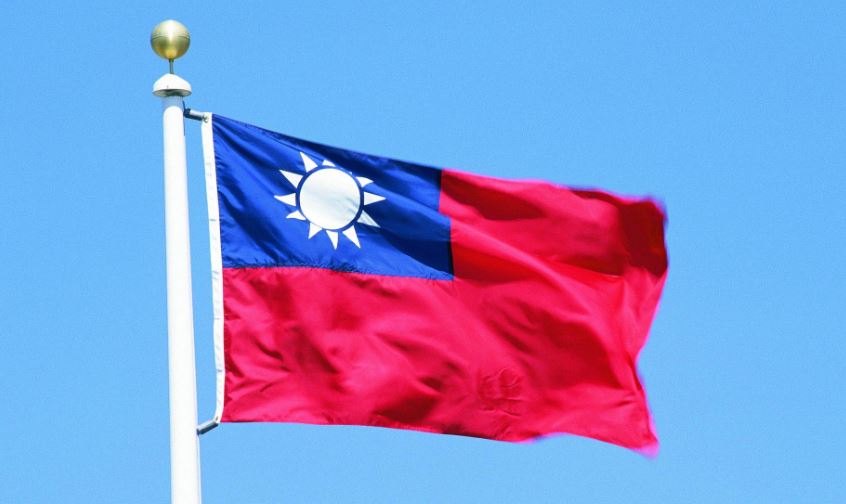
China has reiterated that the results of Taiwan’s local elections will not change what it describes as the historical direction towards reunification, reinforcing the political disagreement between Beijing and Taipei over the island’s future.
The response followed Taiwan’s November 28 local elections, in which the ruling Democratic Progressive Party (DPP) increased the number of cities and counties under its control, despite losing the mayoral contest in Taipei.
According to Reuters’ November 29 report, China’s government maintained that changes in Taiwan’s internal political landscape would not alter Beijing’s position on reunification.
Beijing has consistently opposed Taiwan independence and rejects what it considers foreign interference in the Taiwan question.
China’s Taiwan Affairs Office spokesperson Zhang Han commented on the election results, saying:
“We have noted the relevant situation.”
He further maintained that political changes on the island would not change the direction of cross-strait relations or stop what Beijing describes as the inevitable trend towards reunification.
The spokesperson also emphasised that peace, development, exchanges and cooperation represent the mainstream aspirations of people on both sides of the Taiwan Strait.
Taiwan’s government, however, has called on Beijing to respect the democratic choices of its people.
The Mainland Affairs Council argued that China should recognise Taiwan’s democratic system and engage with its democratically elected government on the basis of equality and without preconditions.
The election results have important implications for Taiwan’s political landscape ahead of the 2028 presidential election.
Although cross-strait relations were not the principal campaign issue, the outcome will influence political calculations among Taiwan’s major parties.
The Kuomintang (KMT), the main opposition party, retained Taipei and New Taipei but suffered setbacks in several other areas. Meanwhile, the DPP strengthened its position in a number of local jurisdictions.
The re-election of Taipei Mayor Chiang Wan-an is particularly significant because of his growing political profile and potential relevance to the 2028 presidential contest.
The defeat of DPP candidate Puma Shen also raises questions about the ruling party’s future electoral strategy.
Why this matters
The election demonstrates that Taiwan’s domestic political competition remains closely connected to the wider geopolitical relationship between China and the United States.
Beijing considers reunification a national priority, while Taiwan’s political leadership maintains that the island’s people should determine their own future.
The disagreement remains one of the most sensitive security issues in East Asia.
Leave a Reply