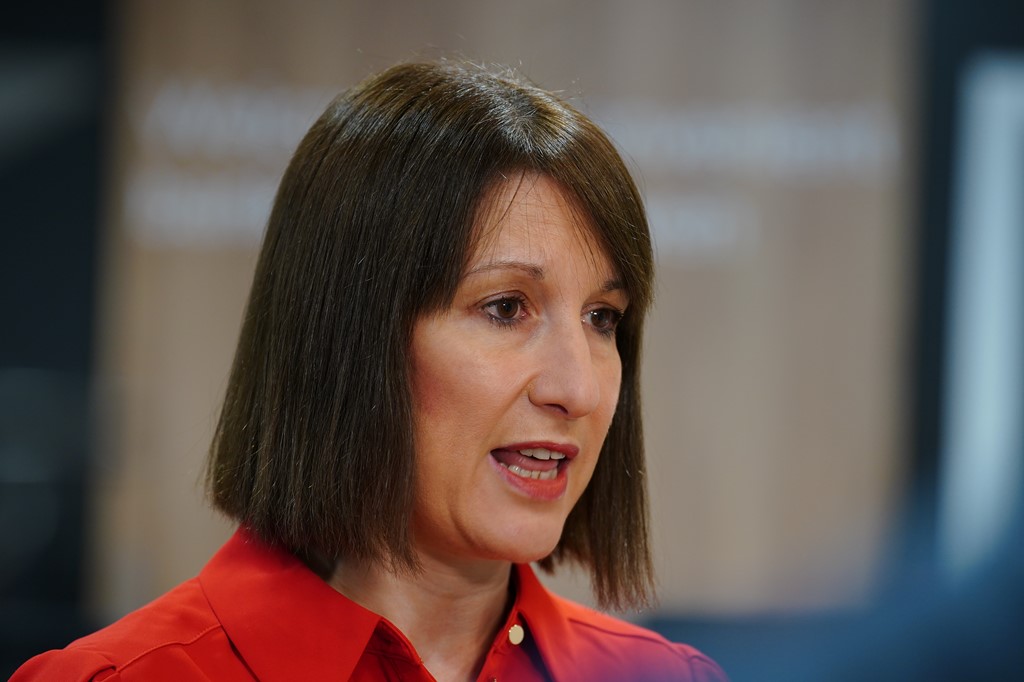
Chancellor Rachel Reeves has given her response to the lower-than-expected inflation data.
Remember, inflation is often dictated by factors beyond the government’s control – wars, global economics etc.
However, Reeves has been blamed for an uptick in price rises this year after her last budget imposed additional minimum age and national insurance costs on businesses.
That’s the context – here’s what she’s said this morning:
“I am not satisfied with these numbers. For too long, our economy has felt stuck, with people feeling like they are putting in more and getting less out.
“That needs to change. All of us in government are responsible for supporting the Bank of England in bringing inflation down. I am determined to ensure we support people struggling with higher bills and the cost of living challenges, deliver economic growth and build an economy that works for, and rewards, working people.”
Analysis: Inflation figures could be good news – on one condition
Business correspondent Paul Kelso says inflation coming in flat at 3.8% is a sliver of good news – but only if this is the peak of the current inflationary cycle.
Kelso points out that the 3.8% figure is still nearly double the bank’s target. He explains:
“It is high inflation. It’s high relative to the UK’s European peers. It’s higher than anyone would want. But there’s a sliver of good news here because this was expected to be about the forecast, widely 4%, possibly a little higher. Most people, including the Bank of England, think this will be the peak of inflation for very statistical reasons. So if nearly double the Bank of England rate can be a sliver of good news, it is… the underlying figures are also encouraging.”
Kelso adds that core inflation fell slightly, if you take out alcohol, tobacco and fuel commodities.
Chancellor strikes first
Chancellor Rachel Reeves acted pre-emptively at a government event last night ahead of the figures, Kelso adds.
“She let it be known… that she’ll be calling cabinet ministers together tomorrow to prioritise cutting the cost of living and bringing down inflation.”
One thing she flagged was bringing down energy prices, showing, Kelso says, she was braced for the worst this morning.
“3.8% isn’t great, but if it is the peak and the peak in this inflationary cycle, then that will be welcome,” Kelso says.
Beef inflation hits 27.5%
While the overall cost of food fell for the first time since May last year, the price of beef has increased.
The rate of price rises for the meat jumped to 27.5% in the year to September – up from 25.7% in August.
Spiralling costs have hit the beef market hard in recent years, along with a change in trends, and the structure of the subsidy regime since Brexit.
What does this mean for interest rates?
We should get an idea of what lower-than-expected inflation could mean for interest rates once market forecasts are updated around 8am.
But economists at Capital Economics have released their response already.
They say it’s unlikely to prompt a cut in November but “it increases the chances of the next cut happening by February in line with our forecast and it supports our view that interest rates will be reduced to 3% next year”.
The firm also says “this will probably be the peak in inflation”.
“Our forecast is for CPI inflation to fall to 3.5% or below in October, not least due to the declines in utility and fuel prices that we already know about.
“Food price inflation may yet rise further, perhaps back above 5.0% by December, but there are three good reasons to expect it to fall back next year.”
Leave a Reply