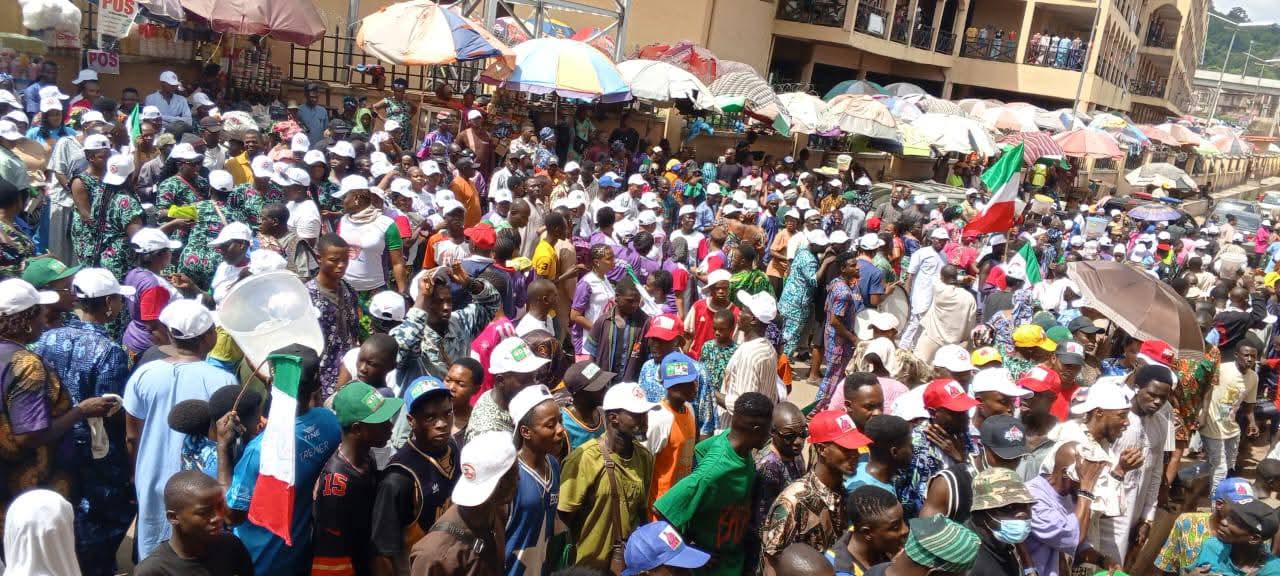
To many Nigerians, politics appears to revolve around election campaigns, party defections, campaign promises, and dramatic headlines. Every four years, the country witnesses massive rallies, heated debates, political advertisements, and endless discussions on television, radio, and social media. Yet, beneath this highly visible surface lies a far more complex political ecosystem—one shaped by informal alliances, regional interests, economic power, party negotiations, traditional institutions, and the influence of influential individuals who often operate away from public attention.
Understanding Nigerian politics requires looking beyond election day. It involves examining the relationships, unwritten rules, and competing interests that influence decisions long before citizens cast their ballots. While Nigeria operates as a constitutional democracy with elected representatives and clearly defined institutions, informal political dynamics often play a significant role in determining who emerges as candidates, how coalitions are formed, and how governments pursue their priorities.
Politics Begins Long Before Elections
For many observers, politics starts when campaign posters appear on the streets. In reality, the process begins years earlier.
Potential candidates spend considerable time building relationships within political parties, consulting community leaders, engaging influential stakeholders, and strengthening their political networks. Aspirants often seek endorsements from respected figures, negotiate with party leaders, and work to establish support across different interest groups before officially declaring their ambitions.
Political success is rarely determined by popularity alone. Organization, strategic planning, fundraising, coalition-building, and effective communication all contribute to whether a candidate secures a party nomination and ultimately competes in a general election.
The Importance of Political Networks
One of the defining characteristics of Nigerian politics is the importance of personal and institutional networks.
Political leaders frequently rely on long-standing relationships developed through previous public service, business, academia, civil society, or regional associations. These networks can influence negotiations, policy discussions, campaign organization, and the ability to mobilize supporters.
Political influence therefore extends beyond elected office. Experienced advisers, respected elders, former officeholders, professional associations, labour organizations, youth groups, women’s organizations, religious leaders, and traditional institutions may all contribute perspectives that shape political outcomes in different ways.
Political Parties as Coalitions
Although political parties compete vigorously during elections, each party is itself a coalition of individuals and groups with diverse priorities.
Within a single party, members may represent different regions, ideological perspectives, professional backgrounds, or policy preferences. Party leaders therefore spend considerable time managing internal debates, resolving disagreements, and balancing competing interests.
Candidate selection processes often reflect this complexity. Decisions may involve consultations, internal elections, negotiations, and efforts to maintain party unity while preparing for broader national competition.
Regional Diversity and National Politics
Nigeria’s remarkable diversity is one of its greatest strengths, but it also makes governance uniquely complex.
With hundreds of ethnic groups, multiple major languages, and significant cultural and religious diversity, political leaders often seek broad national appeal while remaining responsive to local concerns.
Issues that resonate strongly in one part of the country may differ from priorities elsewhere. Infrastructure, agriculture, education, industrial development, security, healthcare, environmental management, and employment opportunities may all receive varying levels of attention depending on regional circumstances.
Successful national leaders generally aim to build support across multiple regions, reflecting Nigeria’s federal structure and diverse population.
The Influence of the Economy
Economic conditions inevitably shape political discussions.
Inflation, employment opportunities, exchange rates, energy supply, infrastructure investment, taxation, and the cost of living influence public expectations and government priorities.
At the same time, government policy decisions can have significant economic consequences for businesses, investors, and households. This close relationship between economics and politics means that fiscal policy, public spending, and economic reforms often become central topics in political debate.
The Growing Role of Young Nigerians
One of the most significant developments in recent years has been the increasing political engagement of young Nigerians.
Young people are participating in voter education, civic organizations, public policy discussions, entrepreneurship initiatives, community development, and digital advocacy. Social media has amplified youth voices, enabling faster public discussion of governance issues and creating new opportunities for civic participation.
Many young Nigerians are also seeking greater representation within political parties and public institutions, advocating for policies that address education, employment, innovation, technology, and economic inclusion.
Their growing participation is gradually reshaping political conversations and expanding the range of issues that receive national attention.
Media and the Digital Political Landscape
Political communication has changed dramatically.
Traditional newspapers, radio, and television remain influential, but digital platforms now play an equally important role in shaping public opinion.
Campaigns increasingly rely on online engagement, live broadcasts, digital advertising, podcasts, and social media interactions to communicate directly with citizens.
While these platforms encourage broader participation, they also present challenges. Misinformation, manipulated content, and emotionally charged narratives can spread rapidly, making media literacy increasingly important for voters seeking accurate information.
Governance Beyond Elections
Winning an election is only the beginning.
Effective governance involves implementing policies, managing public resources, engaging stakeholders, responding to emerging challenges, and working within constitutional institutions.
Legislative oversight, judicial independence, civil society engagement, professional public service, and active citizen participation all contribute to democratic accountability.
Political success is therefore measured not only by electoral victories but also by the ability to deliver public services, strengthen institutions, promote economic development, and respond to citizens’ needs.
Why Citizens Matter
Perhaps the most overlooked aspect of Nigerian politics is the influence of ordinary citizens.
Public opinion, peaceful civic engagement, voter participation, community organizing, and constructive dialogue all shape the political environment. Citizens contribute by participating in elections, engaging elected representatives, supporting community initiatives, following public policy debates, and encouraging transparency and accountability.
Democracy functions most effectively when citizens remain informed and actively involved beyond election periods.
Looking Beyond the Surface
Nigerian politics is far more complex than campaign slogans or viral social media debates suggest. Beneath every election cycle lies an intricate network of negotiations, institutions, competing interests, constitutional processes, and public expectations that collectively shape the country’s direction.
Understanding these hidden dynamics does not require viewing politics through the lens of conspiracy or secrecy. Instead, it calls for recognizing that democratic governance is influenced by both formal institutions and informal relationships, all operating within a diverse and dynamic society.
As Nigeria continues to evolve politically, economically, and socially, informed public engagement will remain one of the country’s greatest strengths. Citizens who look beyond the headlines, examine issues critically, and participate constructively in democratic processes are better equipped to contribute to a political culture that values accountability, inclusion, and long-term national development.
Leave a Reply