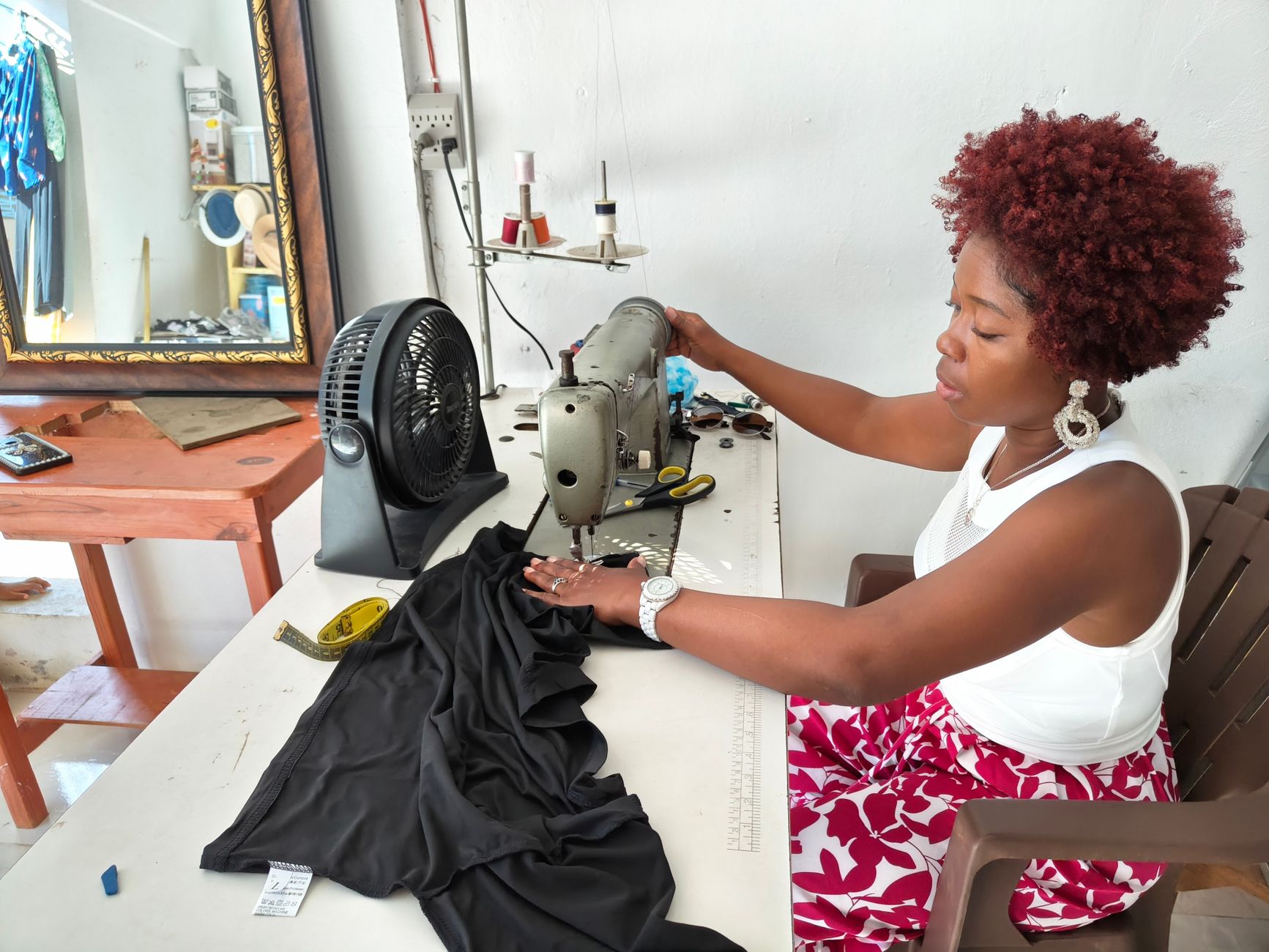


The fashion industry is undergoing one of its most significant transformations in decades.
Consumers are becoming increasingly conscious of where their clothes come from, how they are made, and the environmental and social impact of every purchase. Rather than focusing solely on seasonal trends, many shoppers now prioritize transparency, fair labor practices, sustainable materials, and long-lasting craftsmanship. This shift has encouraged a growing number of fashion brands to rethink traditional manufacturing processes and embrace ethical business models that balance style with responsibility.
Ethical fashion goes beyond using organic fabrics. It encompasses every stage of the supply chain, including responsible sourcing, safe working conditions, fair wages, reduced carbon emissions, animal welfare, waste reduction, and product durability. While no company is entirely without environmental impact, several brands have established themselves as industry leaders by making measurable commitments to sustainability while remaining commercially successful.
One of the most recognized names in ethical fashion is Patagonia. The outdoor apparel company has consistently championed environmental responsibility through recycled materials, product repair programs, and supply chain transparency. Its “Worn Wear” initiative encourages customers to repair and reuse garments rather than replace them, extending the lifespan of clothing and reducing textile waste. Patagonia has also donated significant portions of its profits toward environmental conservation, reinforcing its commitment beyond product marketing.
Founder Yvon Chouinard has repeatedly emphasized this philosophy in interviews, famously stating, “The cure for depression is action.” His broader message has consistently encouraged both businesses and consumers to take meaningful environmental action instead of relying solely on awareness campaigns. Under his leadership, Patagonia has become a benchmark for purpose-driven business within the global fashion industry.
Stella McCartney remains another influential force in ethical luxury fashion. Since launching her label, she has consistently rejected the use of leather, fur, and exotic animal skins while investing heavily in innovative alternative materials. Her collections demonstrate that luxury fashion can embrace sustainability without compromising craftsmanship or sophisticated design. The brand continues to collaborate with material scientists and environmental organizations to develop lower-impact textiles and manufacturing techniques.
In numerous interviews, Stella McCartney has argued that sustainability should never be treated as a marketing trend but rather as the future foundation of fashion itself. She has consistently challenged the industry to innovate beyond conventional materials while maintaining the quality expected from luxury products.
People Tree has long been recognized for pioneering Fair Trade fashion. Working closely with artisan communities across multiple countries, the company emphasizes handcrafted production, certified organic cotton, and long-term partnerships with producers. Rather than pursuing rapid production cycles, People Tree focuses on timeless wardrobe essentials designed to remain relevant across multiple seasons, encouraging consumers to buy fewer, better-made garments.
Another standout brand is Eileen Fisher, whose sustainability strategy extends well beyond clothing production. Through take-back and resale initiatives, the company collects used garments, refurbishes wearable pieces, and transforms damaged textiles into entirely new products. This circular approach helps reduce landfill waste while promoting a more sustainable lifecycle for clothing. The brand also publishes detailed reports outlining its environmental progress and long-term sustainability goals.
Fashion designer Eileen Fisher has often explained in interviews that the industry must move away from disposable consumption and instead prioritize longevity, repairability, and responsible manufacturing. Her perspective reflects a growing movement toward circular fashion, where garments are designed with their entire lifecycle in mind.
Veja has become one of the world’s most recognizable ethical sneaker brands. The company sources organic cotton, wild Amazonian rubber, and recycled materials while maintaining transparent relationships with suppliers and production partners. Unlike many footwear brands that devote substantial budgets to advertising campaigns, Veja has historically prioritized investment in sustainable sourcing and fair manufacturing.
Co-founder Sébastien Kopp has explained in interviews that transparency is central to the company’s philosophy, arguing that consumers deserve to understand how products are made and where their money goes. This openness has helped build trust among environmentally conscious shoppers while inspiring similar practices across the footwear industry.
For consumers seeking accessible everyday fashion, Pact has earned recognition for producing comfortable basics using certified organic cotton and Fair Trade manufacturing standards. Its collections focus on wardrobe staples including T-shirts, underwear, dresses, and loungewear, demonstrating that ethical fashion is not limited to luxury price points. The company also emphasizes water conservation and environmentally responsible packaging throughout its operations.
Reformation has successfully combined trend-conscious fashion with sustainability reporting. The brand publishes environmental impact data for many of its garments, including estimated carbon emissions, water usage, and waste generation. While producing contemporary collections that appeal to younger consumers, Reformation continues investing in lower-impact fabrics and more efficient manufacturing technologies.
Fashion activist and author Aja Barber has consistently argued in interviews and public discussions that true sustainability involves questioning overconsumption itself rather than simply replacing conventional clothing with “green” alternatives. Her work encourages consumers to purchase thoughtfully, care for garments properly, and extend the life of existing wardrobes whenever possible.
Another emerging area worth watching is the use of innovative next-generation textiles. Brands across the industry are increasingly experimenting with recycled fibers, regenerative cotton, plant-based leather alternatives, mushroom-derived materials, and textile recycling technologies. These innovations have the potential to significantly reduce reliance on resource-intensive raw materials while creating new opportunities for circular production systems.
Transparency has become one of the strongest indicators of an ethical fashion brand. Companies that openly publish supplier information, factory locations, sustainability reports, and environmental targets generally provide consumers with greater confidence than brands making broad, unverified marketing claims. Independent certifications such as Fair Trade, Global Organic Textile Standard (GOTS), and B Corporation status can also help shoppers evaluate a company’s commitments.
Consumers likewise play a crucial role in advancing ethical fashion. Purchasing fewer but higher-quality garments, supporting responsible brands, repairing damaged clothing, shopping secondhand, and recycling textiles all contribute to reducing fashion’s environmental footprint. Ethical fashion ultimately extends beyond the label itself—it reflects a broader mindset focused on conscious consumption and long-term value.
The future of fashion will likely be defined not only by aesthetics but by accountability. Brands that embrace transparency, invest in sustainable innovation, respect workers throughout their supply chains, and produce durable clothing are well positioned to lead the industry in the years ahead. For consumers seeking wardrobes that reflect both personal style and responsible values, these ethical fashion brands offer compelling examples of how creativity and sustainability can successfully coexist.


Leave a Reply