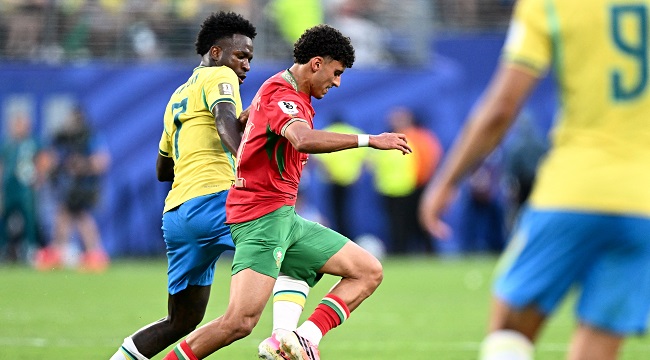
Football is often described as “the beautiful game,” but for millions of supporters, the FIFA World Cup is also one of the most emotionally intense experiences in sport. Every four years, entire nations become emotionally invested in the fortunes of their teams. Fans celebrate victories with euphoria, suffer defeats with heartbreak, and endure ninety minutes—or more—of extreme psychological stress.
While most discussions about the World Cup focus on goals, tactics and trophies, medical researchers have spent years studying another side of the tournament: its impact on human health. Scientific evidence shows that highly stressful football matches can trigger anxiety, panic attacks, heart rhythm disturbances, heart attacks and, in rare cases, death among susceptible individuals. Beyond spectators, the World Cup has also been linked to deaths among workers involved in tournament preparations, raising broader questions about the human cost of football’s biggest event.
The Psychology of World Cup Anxiety
The World Cup creates a unique form of collective emotional investment. Supporters often identify so strongly with their national team that the outcome of a match feels personal. Psychologists refer to this phenomenon as social identification or group fusion.
During major matches, fans commonly experience:
- Increased heart rate
- Elevated blood pressure
- Sweating
- Trembling
- Sleep disturbances
- Anxiety and nervousness
- Mood swings
- Emotional exhaustion
For many supporters, these reactions are temporary and harmless. However, for people with underlying cardiovascular disease, hypertension or anxiety disorders, the intense emotional stress of a World Cup match can become medically significant.
Researchers from the University of Oxford studying football supporters found that fans who strongly identify with their teams show significantly higher levels of cortisol—the body’s primary stress hormone—during matches. The effect was particularly pronounced when their team lost.
The phenomenon is so widespread that researchers often refer to it as “football fever.”
Scientific Evidence Linking Football Stress to Heart Problems
One of the most important studies ever conducted on the health effects of football was published in the prestigious medical journal The New England Journal of Medicine following the 2006 FIFA World Cup in Germany.
Researchers tracked more than 4,000 cardiovascular emergencies in the Munich region during the tournament. They discovered that on days when Germany played, the incidence of cardiac emergencies increased dramatically. The risk of acute cardiovascular events was 2.66 times higher than during control periods. Among men, the risk rose to more than three times the normal rate. (PubMed)
The study found significant increases in:
- Heart attacks
- Unstable angina
- Dangerous cardiac arrhythmias
- Cardiac arrest incidents
Researchers also observed that the highest incidence of emergencies occurred during the first two hours after kickoff, when emotional tension was at its peak.
Their conclusion was stark: viewing a highly stressful football match can more than double the risk of an acute cardiovascular event in susceptible individuals.
Why Football Can Trigger Cardiac Emergencies
When fans experience intense emotional stress, the body activates its “fight-or-flight” response.
This causes:
- Release of adrenaline and cortisol
- Increased blood pressure
- Faster heart rate
- Narrowing of blood vessels
- Increased oxygen demand by the heart
In healthy individuals, these changes are generally manageable. But in people with existing coronary artery disease, arrhythmias or hypertension, the sudden physiological surge can destabilize vulnerable cardiovascular systems.
Medical researchers have compared the stress levels generated by crucial football matches to those produced by major life crises.
The danger becomes especially pronounced during:
- Penalty shootouts
- Extra time
- Matches involving national elimination
- Unexpected losses
- Rivalry games
Anxiety Disorders During the World Cup
Not all health consequences involve the heart.
Mental health professionals report increases in anxiety symptoms during major tournaments, particularly among highly invested supporters.
Common symptoms include:
- Excessive worry before matches
- Panic attacks
- Difficulty concentrating
- Insomnia
- Irritability
- Obsessive checking of scores and news
Social media has intensified these reactions. Fans now receive a constant stream of updates, predictions, criticism and commentary, creating a 24-hour cycle of emotional engagement.
For supporters already suffering from generalized anxiety disorder, health anxiety or panic disorder, World Cup stress can worsen existing symptoms.
Researchers studying sports fandom increasingly view football spectatorship as a legitimate area of mental health research because emotional investment can produce measurable physiological responses similar to other stress-inducing situations. (arXiv)
Documented Cases of Deaths Linked to Football Matches
Although deaths directly attributable to football-induced stress are relatively rare, they do occur.
Around the world, media reports frequently emerge during major tournaments describing supporters who suffered fatal heart attacks while watching emotionally charged matches.
Medical researchers caution that proving direct causation is difficult. Nevertheless, scientific evidence strongly suggests that emotional stress from football can act as a trigger for fatal cardiovascular events in vulnerable individuals.
The German World Cup study demonstrated that the increase in cardiac emergencies was not theoretical; it involved real patients requiring emergency medical treatment during tournament matches.
Numerous hospitals worldwide have reported spikes in emergency cardiovascular admissions during major football tournaments, particularly during knockout rounds.
Fans’ Personal Experiences
Online discussions reveal how physically overwhelming major matches can feel for supporters.
One football fan discussing a particularly stressful match wrote:
“My heart was pumping so hard the whole game.”
Another supporter reported receiving multiple high-heart-rate alerts from a smartwatch during the game.
A different fan described reaching a heart rate normally associated with exercise despite sitting and watching television:
“I could also feel the adrenaline pump high.”
These comments are anecdotal rather than scientific evidence, but they align remarkably well with findings from medical studies showing measurable cardiovascular responses among football spectators.
World Cup Losses and Emotional Trauma
The psychological impact of defeat can be profound.
National teams often become symbols of collective identity. When a team loses in dramatic circumstances, supporters may experience emotions resembling grief.
Psychologists note that fans frequently report:
- Sadness
- Anger
- Hopelessness
- Social withdrawal
- Loss of appetite
- Sleep problems
Some supporters continue discussing painful defeats decades later.
Examples include:
- Brazil’s 7–1 loss to Germany in 2014
- Argentina’s defeat in the 2014 final
- England’s penalty shootout eliminations
- France’s loss in the 2022 World Cup final
For many fans, such matches become emotional reference points remembered for life.
The Human Cost Beyond Spectators
Discussions about World Cup-related deaths extend beyond fans.
The preparation and construction associated with hosting tournaments have also generated significant controversy.
The 2022 World Cup in Qatar became the subject of intense international scrutiny over migrant worker welfare.
Human rights organizations documented concerns regarding working conditions, heat exposure and worker safety. Public debate intensified around reports of worker deaths during the years of infrastructure construction leading up to the tournament. These issues generated global discussions about the responsibilities of host nations, FIFA and contractors involved in World Cup projects. (Reddit)
Although estimates vary and remain politically contested, the controversy highlighted that the health consequences associated with mega-sporting events can extend far beyond spectators in stadiums.
Heat Risks at Modern World Cups
Another growing health concern is climate-related risk.
Researchers have warned that extreme temperatures may pose health threats during future tournaments.
A 2026 study examining the FIFA World Cup in the United States, Canada and Mexico concluded that a substantial number of matches could occur under potentially dangerous heat conditions. Scientists warned that both players and spectators could face elevated health risks from extreme temperatures. (Reuters)
Heat-related dangers include:
- Heat exhaustion
- Heat stroke
- Dehydration
- Cardiovascular strain
- Increased mortality among vulnerable populations
As climate change intensifies global temperatures, tournament organizers may face increasing pressure to prioritize health and safety measures.
Medical Experts’ Recommendations
Cardiologists and sports medicine specialists generally do not advise fans to avoid watching football.
Instead, they recommend practical precautions, particularly for people with known cardiovascular disease.
Suggested measures include:
1. Take Prescribed Medications
Patients with heart disease should continue medications exactly as prescribed and avoid skipping doses on match days.
2. Avoid Excessive Alcohol
Heavy alcohol consumption during matches can increase cardiovascular stress and impair judgment.
3. Monitor Symptoms
Fans should seek immediate medical attention if they experience:
- Chest pain
- Severe shortness of breath
- Dizziness
- Fainting
- Palpitations
4. Manage Stress
Relaxation techniques, controlled breathing and stepping away from highly stressful situations can help reduce physiological strain.
5. Get Adequate Sleep
Late-night matches and emotional excitement often disrupt sleep, which can worsen both anxiety and cardiovascular risk.
Expert Commentary
The authors of the landmark German World Cup study concluded that:
“Viewing a stressful soccer match more than doubles the risk of an acute cardiovascular event.” (PubMed)
They emphasized that men with known coronary heart disease appeared particularly vulnerable.
Subsequent reviews of football-related cardiovascular events have reinforced concerns that emotionally intense sporting events can function as triggers for acute medical crises in susceptible individuals.
Conclusion
The FIFA World Cup is one of humanity’s greatest sporting spectacles. It unites nations, creates unforgettable memories and inspires extraordinary passion. Yet the same emotional intensity that makes the tournament so compelling can also carry genuine health risks.
Scientific research has shown that high-stakes football matches can trigger anxiety, elevate stress hormones and significantly increase the risk of cardiovascular emergencies among vulnerable individuals. In rare cases, these events can contribute to fatalities.
At the same time, broader concerns about worker welfare and climate-related health risks remind us that the World Cup’s impact extends far beyond the ninety minutes on the pitch.
Football may be only a game, but the emotions it generates are profoundly real—and sometimes powerful enough to affect human health in measurable, and occasionally tragic, ways.
Leave a Reply