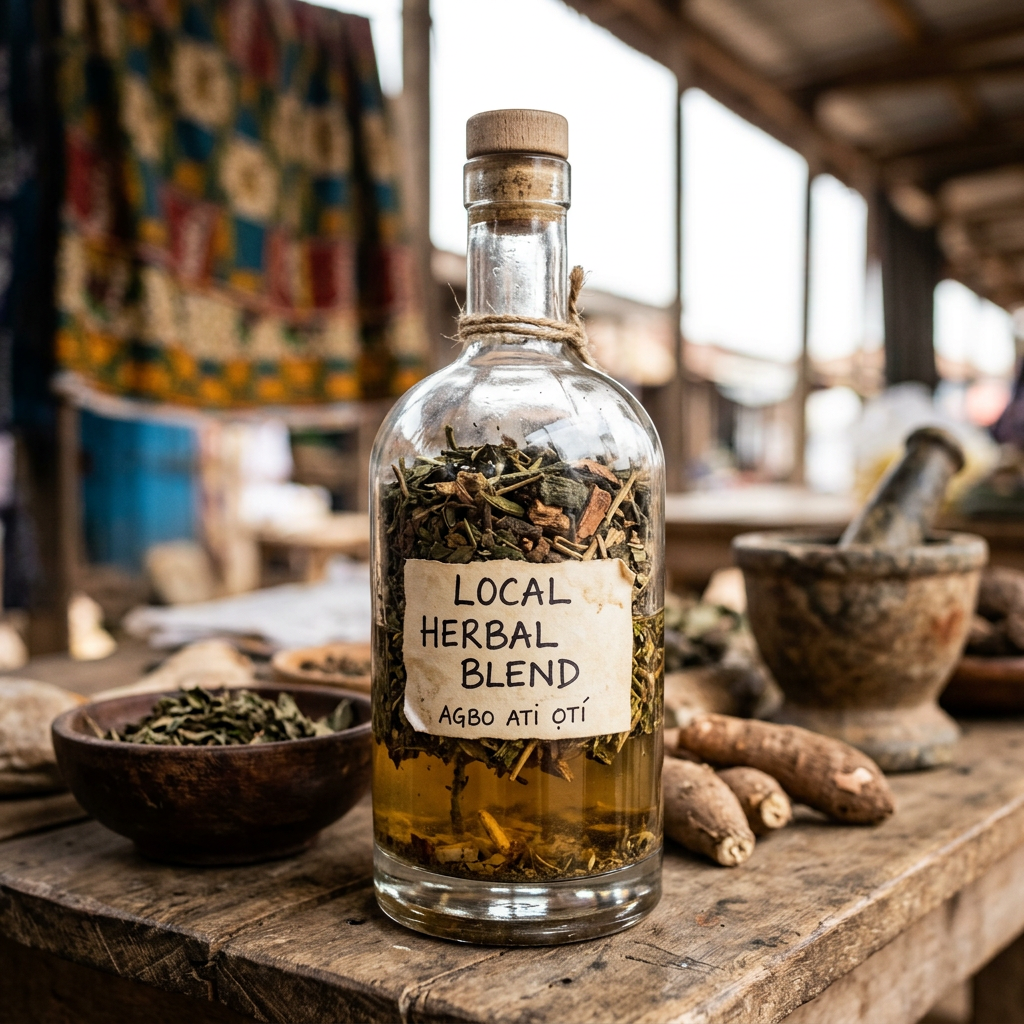
For generations, agbo has occupied a prominent place in Nigerian healthcare traditions. Long before modern hospitals became widely accessible, families relied on herbal mixtures to treat ailments ranging from malaria and stomach pain to infertility, body weakness, and infections. Even today, agbo remains a popular choice for millions of Nigerians due to its affordability, cultural acceptance, and widespread availability.
Many people believe that because agbo is made from natural herbs, it is automatically safe. However, medical experts increasingly warn that this assumption can be dangerous. While some medicinal plants contain compounds with genuine therapeutic properties, the unregulated nature of many herbal preparations has raised serious concerns about their effects on vital organs—particularly the kidneys.
Kidney specialists across Nigeria have reported growing numbers of patients whose kidney function has deteriorated after prolonged or excessive consumption of herbal remedies. Although not every herbal mixture causes kidney damage, certain ingredients, contaminants, and preparation methods can significantly increase the risk of acute kidney injury and chronic kidney disease.
Understanding the relationship between agbo consumption and kidney failure is therefore essential for anyone seeking to balance traditional healthcare practices with modern medical knowledge.
The Vital Role of the Kidneys
The kidneys are among the body’s hardest-working organs. Located on either side of the spine, these bean-shaped organs filter approximately 180 litres of blood every day, removing waste products, excess salts, toxins, and extra water. They also help regulate blood pressure, produce hormones that stimulate red blood cell production, maintain electrolyte balance, and support healthy bone development.
Because the kidneys filter virtually everything that enters the bloodstream, they are especially vulnerable to toxic substances. Any harmful chemical, heavy metal, or poisonous plant compound consumed through food, medication, or herbal remedies eventually passes through these organs.
When exposure is repeated over weeks, months, or years, kidney tissues may become inflamed, scarred, or permanently damaged.
Why Agbo Can Become Dangerous
Traditional herbal medicine itself is not necessarily harmful. In fact, numerous modern medicines—including aspirin, quinine, and digoxin—were originally derived from plants. The problem lies in the fact that many agbo preparations are produced without scientific standardisation, quality control, or proper dosage guidelines.
Different herbal sellers may prepare remedies using completely different combinations of plants while marketing them under the same name. Consumers often have no way of knowing exactly what ingredients they are drinking or in what concentration.
Some mixtures contain dozens of herbs whose interactions have never been scientifically studied. Others may include roots, bark, leaves, alcohol, preservatives, or unidentified additives that increase the burden on the kidneys.
Without laboratory testing, it is impossible to determine whether a particular mixture contains substances capable of damaging the body’s filtration system.
Toxic Herbs and Harmful Compounds
Researchers have identified several plant compounds that may be toxic to the kidneys when consumed in high quantities or over prolonged periods.
Certain herbs contain alkaloids, oxalates, aristolochic acids, or other naturally occurring chemicals that can injure kidney cells. Aristolochic acid, in particular, has been linked internationally to irreversible kidney damage and urinary tract cancers.
Even herbs considered relatively safe may become dangerous when consumed in excessive amounts or combined with other medicinal plants that produce toxic interactions.
Unlike pharmaceutical medicines, which undergo years of safety testing before approval, many traditional herbal mixtures have never been evaluated in controlled clinical trials.
Heavy Metal Contamination
One of the biggest concerns surrounding herbal medicines is contamination.
Studies conducted in various countries have found elevated levels of lead, mercury, cadmium, and arsenic in some herbal products. These heavy metals may enter herbal preparations through polluted soil, contaminated water, industrial emissions, or unsafe processing methods.
Long-term exposure to heavy metals can gradually destroy kidney tissues without producing noticeable symptoms until substantial damage has already occurred.
Because most locally prepared agbo is not routinely tested in certified laboratories, consumers rarely know whether the products they purchase contain dangerous contaminants.
The Problem of Unknown Dosages
Modern medicines come with carefully calculated doses based on extensive research.
Agbo does not.
A single cup purchased today may be several times more concentrated than the same mixture bought next week from another vendor. Some individuals drink multiple bottles daily for weeks or months, believing that larger quantities will produce faster healing.
Unfortunately, excessive intake dramatically increases the amount of potentially harmful substances the kidneys must filter.
Continuous overexposure may overwhelm the kidneys’ ability to recover from injury.
Delayed Medical Treatment
Another indirect way agbo contributes to kidney failure is by delaying proper medical care.
Some individuals experiencing symptoms such as fever, abdominal pain, swelling, or high blood pressure first rely exclusively on herbal remedies instead of seeking professional diagnosis.
Conditions such as diabetes, hypertension, severe infections, and urinary tract obstruction can silently damage the kidneys if left untreated.
By the time hospital treatment is eventually sought, irreversible kidney damage may already have occurred.
People at Higher Risk
Although anyone can develop herbal-related kidney injury, certain groups face significantly greater risks.
Individuals already living with diabetes, hypertension, chronic kidney disease, heart disease, or liver disease have kidneys that are more vulnerable to toxic substances.
Older adults are also at increased risk because kidney function naturally declines with age.
Pregnant women should exercise particular caution, as some herbal compounds may harm both the mother and developing baby.
People taking prescription medications should also be careful because certain herbs can interact with medicines, increasing toxicity or reducing treatment effectiveness.
Warning Signs of Kidney Damage
Kidney disease often develops silently, especially during its early stages.
As damage progresses, symptoms may include persistent fatigue, swelling of the feet or face, reduced urine output, blood in the urine, persistent nausea, vomiting, loss of appetite, itching, muscle cramps, difficulty concentrating, and high blood pressure.
In severe cases, waste products accumulate in the bloodstream, leading to confusion, breathing difficulties, seizures, or life-threatening complications requiring dialysis.
Anyone who develops these symptoms after consuming herbal remedies should seek immediate medical evaluation rather than continuing self-treatment.
Can Agbo Be Used Safely?
Traditional medicine continues to play an important role in many communities, and researchers continue to investigate medicinal plants that may offer genuine health benefits.
However, safety depends on scientific evidence, proper identification of herbs, quality assurance, accurate dosing, and professional supervision.
Consumers should avoid purchasing herbal mixtures from unknown sources, particularly those making unrealistic claims such as curing every disease.
It is also advisable to inform healthcare providers about any herbal products being used, as this information may influence diagnosis and treatment decisions.
Protecting Your Kidneys
Maintaining healthy kidneys involves more than avoiding potentially harmful herbal mixtures.
Regular medical check-ups, controlling blood pressure, managing diabetes, staying well hydrated, avoiding unnecessary painkiller use, maintaining a balanced diet, and seeking prompt medical attention for persistent symptoms all contribute to long-term kidney health.
When considering herbal remedies, consumers should prioritise products that have undergone appropriate safety evaluation and are produced under recognised quality standards.
A Balanced Perspective
The conversation surrounding agbo should not become a blanket condemnation of traditional medicine. Many medicinal plants possess valuable therapeutic properties and continue to inspire modern drug development. Nevertheless, “natural” does not always mean “safe.”
The kidneys are remarkably resilient organs, but they are not indestructible. Repeated exposure to toxic herbs, contaminated preparations, excessive dosages, or delayed medical treatment can gradually undermine their ability to function.
As awareness of kidney disease continues to grow in Nigeria and across the world, informed decision-making remains the best defence. Combining respect for traditional knowledge with evidence-based healthcare allows individuals to benefit from both systems while minimising unnecessary risks.
Ultimately, protecting kidney health requires caution, education, and a willingness to seek qualified medical advice before relying on unverified herbal remedies. Prevention is always preferable to treating irreversible kidney failure, and making informed choices today can help preserve healthy kidney function for years to come.
Leave a Reply