Africa is one of the world’s most extraordinary destinations, offering a remarkable combination of natural beauty, cultural diversity, luxury experiences, business opportunities and investment potential.
From the magnificent beaches of the Indian Ocean to the spectacular wildlife reserves of East Africa, the historic cities of North Africa, the tropical landscapes of Central Africa and the vibrant commercial centres of West Africa, the continent presents an exceptional range of experiences for travellers, entrepreneurs, investors and luxury lifestyle enthusiasts.
For decades, Africa has been viewed internationally through a relatively narrow lens, with discussions frequently dominated by poverty, political instability, conflict and economic challenges. Although these issues remain important in certain countries and regions, they do not adequately represent the continent’s enormous geographical, cultural, economic and commercial diversity. Africa is not simply a destination for humanitarian tourism or adventurous backpackers. It is home to internationally recognised luxury hotels, private safari lodges, sophisticated restaurants, exclusive island resorts, emerging technology companies, modern financial centres, valuable natural resources and some of the world’s most compelling investment opportunities.
The continent is increasingly attracting attention from international hotel groups, property developers, aviation companies, financial institutions, technology entrepreneurs, manufacturers and tourism investors. Its growing urban population, expanding consumer markets, strategic natural resources, young workforce and extraordinary tourism attractions make it an important destination for long-term economic and commercial engagement.
Africa’s appeal is particularly remarkable because it brings together opportunities that are difficult to find in a single geographical region. A visitor can enjoy a luxury safari in Kenya, explore the ancient pyramids of Egypt, experience the cosmopolitan lifestyle of Cape Town, relax on the beaches of Seychelles, discover the historical architecture of Morocco, enjoy the nightlife of Lagos, experience the natural beauty of Rwanda and explore the emerging hospitality market in Ghana.
For investors, these destinations represent more than attractive holiday locations. They are part of a wider economic landscape in which tourism, real estate, agriculture, renewable energy, transportation, financial services, manufacturing and digital technology can create substantial commercial opportunities.
Africa deserves to be recognised not merely as a continent with potential, but as a place where extraordinary travel experiences, luxury lifestyles and commercially rewarding investments can intersect.
Africa’s Extraordinary Natural Beauty Makes It a World-Class Travel Destination
One of Africa’s greatest advantages is its extraordinary natural environment. The continent possesses an exceptional variety of landscapes, including deserts, tropical rainforests, mountains, savannahs, wetlands, volcanic formations, lakes, rivers and spectacular coastlines.
These geographical attractions provide an almost unlimited range of tourism experiences. Whether someone is interested in wildlife photography, adventure tourism, beach holidays, mountain climbing, cultural exploration, historical tourism or exclusive nature retreats, Africa offers destinations capable of satisfying different interests and budgets.
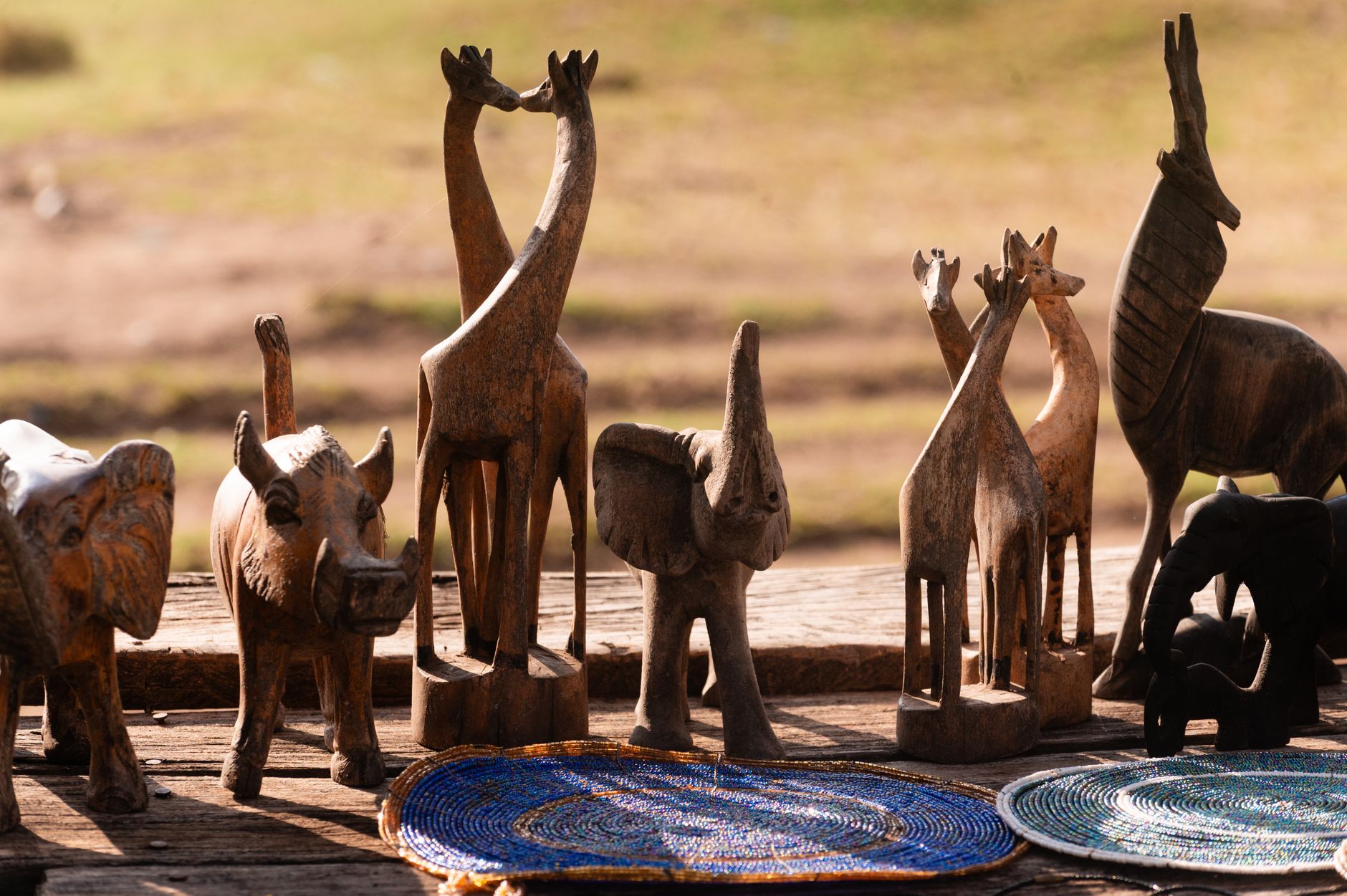
The continent’s wildlife is particularly important to its international tourism appeal. Africa remains one of the most recognisable destinations for observing iconic animals in their natural environments. Elephants, lions, leopards, rhinoceroses, giraffes, zebras, buffaloes, gorillas and numerous bird species attract visitors from Europe, North America, Asia and other parts of the world.
Kenya and Tanzania are particularly famous for safari tourism. The Maasai Mara National Reserve in Kenya and the Serengeti National Park in Tanzania provide opportunities to observe remarkable wildlife populations and the annual movement of millions of wildebeest and other grazing animals across the East African plains.
The Great Migration is one of the world’s most spectacular wildlife events. It offers visitors an opportunity to witness dramatic interactions between wildlife species in an extraordinary natural setting. Luxury safari operators have developed exclusive accommodation and guided experiences around these attractions, creating a tourism market that combines environmental conservation with premium hospitality.
South Africa also offers exceptional wildlife experiences. Its famous Kruger National Park attracts international visitors interested in seeing the Big Five, while private game reserves provide exclusive safari accommodation, personalised guides, fine dining and high-end hospitality services.
Botswana has developed a reputation for premium, low-density wildlife tourism, particularly in the Okavango Delta. Its water-based safaris, extraordinary wetlands and exclusive lodges appeal to visitors seeking privacy, tranquillity and close contact with nature.
Rwanda and Uganda offer another distinctive tourism experience through mountain gorilla trekking. The opportunity to observe endangered mountain gorillas in their natural habitats has become one of the most sought-after wildlife experiences in the world. This form of tourism also demonstrates how carefully managed conservation programmes can generate international interest and economic opportunities for local communities.
Africa’s natural attractions extend far beyond wildlife. The continent’s beaches, islands and coastal resorts are equally impressive.
The Seychelles, Mauritius, Zanzibar, Cape Verde, Mozambique and parts of Kenya and Tanzania offer spectacular coastal environments. White sandy beaches, clear waters, coral reefs, tropical vegetation and warm weather make these destinations attractive to international holidaymakers.
The Indian Ocean islands are particularly appealing to luxury travellers. Visitors can enjoy private villas, beachfront resorts, sailing, diving, wellness retreats, gourmet restaurants and personalised hospitality services.
Mauritius, for example, has established an international reputation for high-quality resorts, golf tourism, luxury accommodation and attractive lifestyle experiences. Seychelles appeals to travellers seeking exclusive island holidays, while Zanzibar combines tropical beaches with a distinctive Swahili cultural and historical identity.
For people seeking adventure beyond beaches and wildlife, Africa offers remarkable opportunities for mountain tourism. Mount Kilimanjaro in Tanzania attracts climbers from across the world, while Mount Kenya offers challenging climbing routes and spectacular scenery. Morocco’s Atlas Mountains provide opportunities for hiking, cultural exploration and mountain retreats.
The diversity of these attractions strengthens Africa’s position in the international tourism industry. Rather than competing through a single tourism product, the continent can attract different categories of visitors throughout the year.
Luxury Tourism: Africa Is More Than a Budget Holiday Destination
One of the most important misconceptions about African tourism is the assumption that the continent primarily caters to low-cost travellers. In reality, Africa has developed a sophisticated luxury hospitality industry capable of competing for some of the world’s wealthiest tourists.
Luxury travel in Africa is not limited to expensive hotel accommodation. It involves personalised services, exclusive experiences, extraordinary natural surroundings, cultural authenticity, privacy, fine dining and access to destinations that offer something genuinely distinctive.
The continent’s luxury tourism market includes private safari camps, five-star beach resorts, boutique hotels, exclusive island villas, wellness retreats, luxury trains, private aviation services and high-end cultural experiences.
South Africa is among the continent’s most established luxury destinations. Cape Town combines spectacular coastal scenery, world-class restaurants, internationally recognised vineyards, luxury shopping, beautiful residential neighbourhoods and high-end hotels.
The city’s appeal is strengthened by its geographical setting. Table Mountain, the Atlantic coastline, the Cape Winelands and the surrounding natural attractions create a destination that combines urban sophistication with extraordinary outdoor experiences.
The Cape Winelands, particularly Stellenbosch and Franschhoek, have developed a strong reputation for premium wine tourism, fine dining, boutique accommodation and beautiful countryside estates. Visitors can enjoy vineyard tours, private wine tastings, luxury restaurants and accommodation surrounded by mountain landscapes.
Morocco offers another distinctive interpretation of luxury. Marrakech has become internationally recognised for its traditional riads, luxury hotels, designer resorts, historic palaces, spas and sophisticated restaurants. The city’s combination of Islamic architecture, traditional craftsmanship, colourful markets and contemporary hospitality creates an experience that is difficult to reproduce elsewhere.
Visitors can explore historic buildings, enjoy traditional Moroccan cuisine, experience hammams and wellness treatments, and stay in beautifully restored properties that combine traditional architecture with modern comfort.
Egypt also offers an extraordinary luxury tourism proposition. Beyond the pyramids and ancient temples, the country has Red Sea resorts, premium hotels, luxury Nile cruises and exclusive coastal developments. Destinations such as Sharm El-Sheikh and Hurghada attract visitors interested in diving, sailing, beach holidays and resort experiences.
In East Africa, Kenya and Tanzania have developed luxury safari accommodation that combines wilderness experiences with exceptional hospitality. Guests can stay in elegant tented camps, enjoy private game drives, experience traditional cultural activities and dine in extraordinary natural surroundings.
Rwanda has also positioned itself as a premium destination through high-value gorilla tourism and luxury eco-lodges. The country’s approach demonstrates that luxury tourism does not necessarily require enormous urban developments. Carefully designed accommodation, environmental protection and exclusive experiences can create a valuable tourism product.
The luxury market offers substantial opportunities for African businesses. International travellers increasingly seek experiences that are meaningful, personalised and connected to local culture. Africa possesses the natural and cultural resources to deliver precisely these experiences.
However, the industry must continue investing in service standards, staff training, international marketing, transportation, safety and reliable infrastructure. Beautiful scenery alone cannot sustain a successful luxury tourism business. Visitors also expect professionalism, cleanliness, efficient communication, quality food, dependable electricity, excellent customer service and comfortable accommodation.
Countries and businesses that consistently deliver these standards will be better positioned to attract wealthy international visitors and encourage repeat tourism.
A Continent of Remarkable Cultural and Historical Experiences
Africa’s tourism appeal is also rooted in its cultural and historical richness. The continent is home to thousands of ethnic communities, languages, artistic traditions, architectural styles, musical expressions and culinary identities.
For international travellers, this diversity provides opportunities to experience cultures that are both distinctive and deeply connected to human history.
Egypt remains one of the world’s most important historical destinations. The pyramids of Giza, the Sphinx, the temples of Luxor and the Valley of the Kings attract millions of visitors interested in ancient civilisation. These historical attractions give Egypt a powerful position in global cultural tourism.
Morocco offers a different historical experience through its ancient medinas, mosques, palaces, traditional markets and architectural heritage. Marrakech, Fez and other historic cities provide opportunities to explore centuries of craftsmanship, trade, religious scholarship and cultural exchange.
Ethiopia is another remarkable destination. Its historical churches, ancient kingdoms, archaeological sites and distinctive cultural traditions offer experiences that are particularly valuable to historical and cultural travellers. Lalibela’s rock-hewn churches, for example, represent an extraordinary architectural and religious heritage.
West Africa also has important historical tourism assets. Ghana’s Cape Coast Castle and Elmina Castle are significant sites associated with the transatlantic slave trade. They attract visitors interested in African history, diaspora connections, remembrance and historical education.
Nigeria, meanwhile, possesses a vibrant cultural and entertainment industry. Lagos is an important centre for Afrobeats, film, fashion, contemporary art, nightlife and entrepreneurship. The city’s cultural influence extends across Africa and into international markets.
Visitors interested in contemporary African culture can explore art galleries, fashion exhibitions, music performances, restaurants, film events and traditional festivals. Cities such as Accra, Dakar, Abidjan and Lagos provide distinctive cultural experiences that complement the continent’s wildlife and beach tourism.
Africa’s cultural wealth is commercially valuable. Cultural festivals, heritage tours, creative industries, traditional crafts, museums, music events and culinary experiences can generate employment and business opportunities while encouraging the preservation of local heritage.
The continent should therefore view culture not merely as an identity to be celebrated, but also as an important tourism and economic asset.
Leave a Reply