One in four councils in England say they are likely to have to apply for emergency government bailout agreements to stave off bankruptcy in the next two financial years (2025-26 and 2026-27), a new survey has revealed.
The Local Government Association (LGA) asked a series of questions to council chief executives, finding that:
- Around one in 10 councils this year say they have discussed the possibility of requesting Exceptional Financial Support (EFS) from the Ministry of Housing, Communities and Local Government;
- 25% are likely to apply for EFS in 2025-26 and/or 2026-27 without additional government funding;
- 44% of councils with social care responsibilities said that they are likely to apply for EFS in 2025-26 and/or 2026-27 without additional government funding.
It comes as an unprecedented 18 councils were given EFS from the government in February to help meet their legal duty to balance their books this year (2024-25).
What happens if your council goes bankrupt?
A council cannot technically go bankrupt, but it can issue a section 114 notice, which means it believes it cannot meet its spending commitments from its income.
Once this notice has been issued, the council cannot make any new financial promises and must meet within 21 days to discuss what happens next.
When this happens, most councils pass an amended budget in which they dramatically reduce spending on services, and this is where you are most likely to feel an impact, as cuts to frontline services are often required.
Cuts can vary from dimming street lighting, to cancelling Christmas decorations or reviewing the amount of times bins are collected.
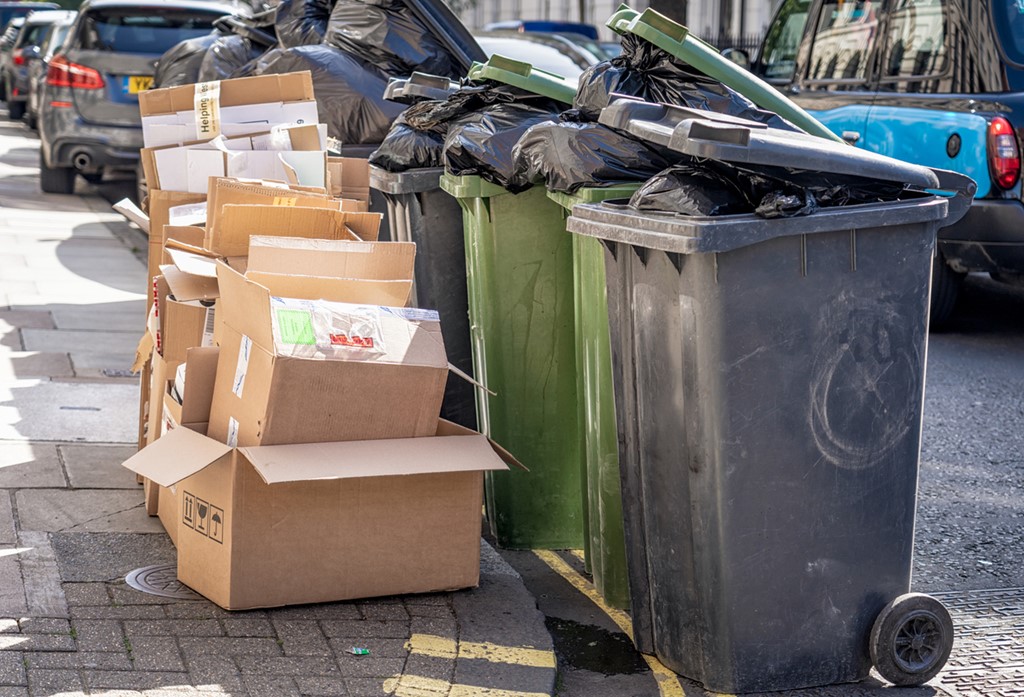
Because they have a statutory duty to provide certain services, such as social care, councils will first turn to areas they don’t deem “essential”. Birmingham slashed its arts budget entirely, alongside £51m in savings on children’s services.
In recent years, a number of councils sought special permission from the government to use capital funds (so, selling assets or property) to top up spending.
The government also has the power to intervene to see how services are run and it can reduce the amount of statutory services councils are required to run.
Council tax rises are usually capped at 5% but the government sometimes gives local authorities special permission for a larger increase. For example, in 2023, Croydon Council increased its council tax charges by 15%, while the council in Slough went for a 10% increase.
Leave a Reply