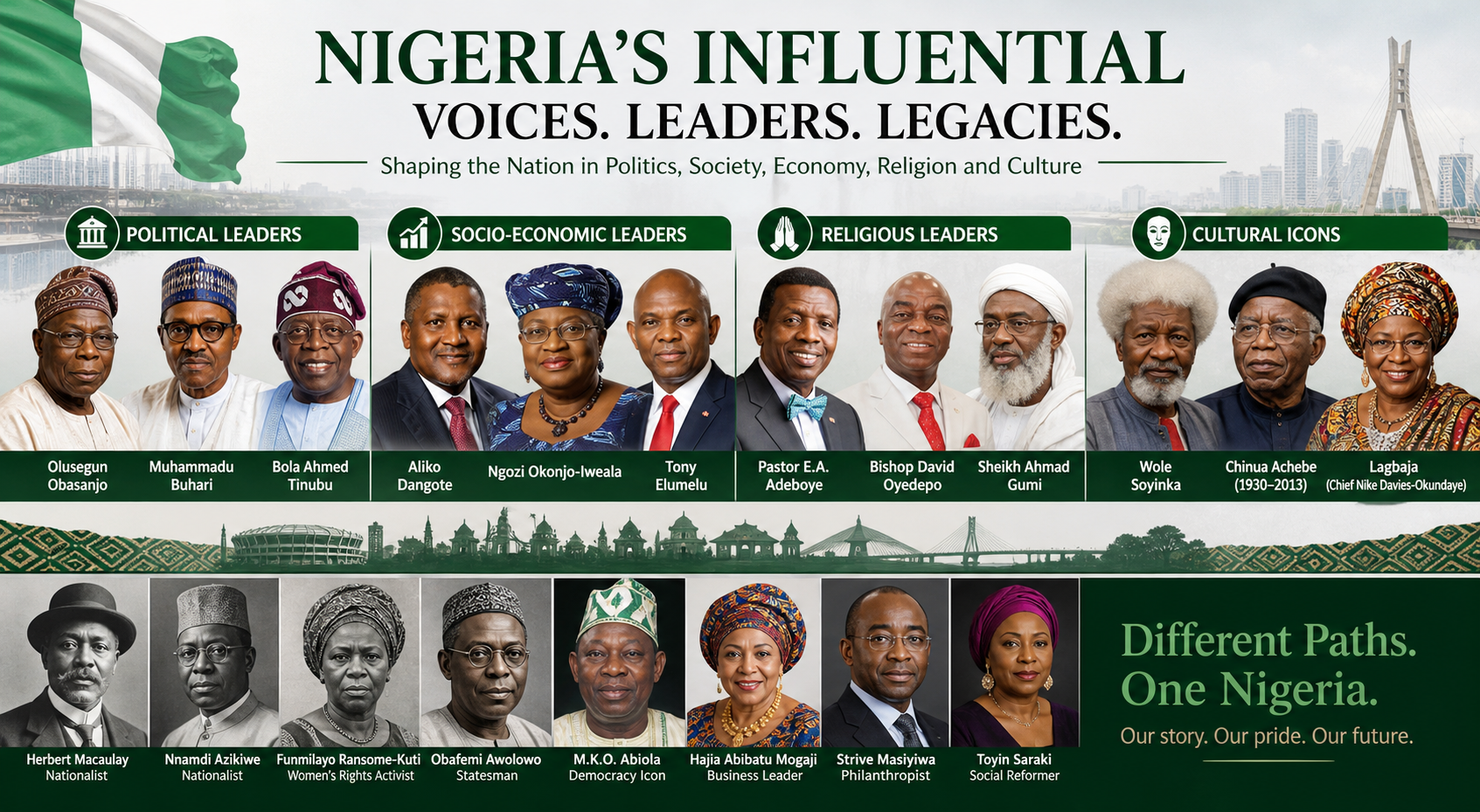
Nigeria woke up to another intense news cycle on May 20, 2026, with politics, insecurity, the economy, anti-corruption efforts, entertainment, and sports dominating conversations across the country.
From the growing tensions inside the ruling All Progressives Congress (APC) ahead of the 2027 elections to renewed concerns over insecurity in parts of the North-East, Nigerians continue to grapple with both uncertainty and cautious optimism.
A review of reports from major newspapers including Punch, Vanguard, The Guardian, Premium Times, Daily Trust, The Sun, and other online platforms shows that today’s headlines reflect a country preparing for another major political season while trying to stabilize its economy and address deep social challenges.
APC Primaries Deepen Political Tensions
One of the biggest stories dominating the Nigerian political landscape today is the aftermath of APC primaries across several states. Reports from multiple newspapers indicate that internal battles within the ruling party have intensified as prominent political figures either lost their tickets or emerged amid controversy.
In Plateau State, several sitting federal lawmakers reportedly lost their bids to return to the National Assembly. The development has triggered fresh debates within the party about loyalty, internal democracy, and the growing influence of governors and political godfathers in determining candidates.
The Sun reported that supremacy battles within the APC have now shifted to Abuja following contentious senatorial primaries in various states. Aggrieved aspirants are accusing party leaders of manipulating delegate lists and imposing preferred candidates.
Political analysts say the APC’s internal struggles could shape the national political atmosphere ahead of the 2027 general elections. While the ruling party remains dominant nationally, cracks within its structure are becoming more visible.
Former Vice President Atiku Abubakar’s Peoples Democratic Party (PDP) is also battling its own crisis, with continued defections and disagreements over coalition talks. Meanwhile, conversations around Labour Party figure Peter Obi and emerging opposition alliances continue to gain momentum.
The political climate is increasingly fluid, and many observers believe Nigeria may be heading toward one of its most competitive election seasons since the return to democracy in 1999.
Tinubu Defends Economic Reforms
President Bola Ahmed Tinubu’s economic policies remain a major topic across Nigerian newspapers today. At the Africa CEO Forum in Kigali and other international engagements, the president defended his administration’s economic reforms, arguing that painful decisions taken since 2023 are beginning to yield positive results.
Government officials point to improvements in Nigeria’s foreign reserves, stronger investor confidence, and positive signals from international credit rating agencies as evidence that reforms are working.
Reports indicate that the Presidency welcomed the recent S&P rating upgrade and attributed it to Tinubu’s policies, including fuel subsidy removal, exchange rate reforms, tax restructuring, and efforts to increase non-oil revenue.
Supporters of the administration argue that these reforms were necessary to prevent economic collapse. However, many Nigerians continue to struggle with inflation, high transportation costs, rising food prices, and unemployment.
The naira also remained a major talking point today. Vanguard reported mixed performance for the currency against the United States dollar in both official and parallel markets. Foreign exchange instability remains one of the biggest concerns for businesses and households.
Although the government insists the worst economic turbulence is over, ordinary Nigerians continue to feel the pressure of the reforms in their daily lives. Traders, transport operators, students, and salary earners are still adjusting to higher costs of living.
Economic experts say the success of the reforms will ultimately depend on whether citizens begin to experience real improvements in purchasing power, electricity supply, job creation, and food affordability.
Rising Insecurity Continues to Alarm Nigerians
Security challenges remain among the most pressing issues facing Nigeria today. Reports from the North-East and other regions continue to paint a troubling picture of kidnappings, banditry, insurgency, and violent attacks.
Civil society organizations today condemned the reported abduction of schoolchildren in Borno State and demanded an urgent overhaul of Nigeria’s security architecture. The incident has revived painful memories of previous mass kidnappings in Chibok, Dapchi, and Kuriga.
International media reports also highlighted Nigeria’s worsening security situation within the Sahel region. Analysts say extremist violence and criminal activity are spreading across poorly governed areas, placing enormous pressure on the military and security agencies.
Despite repeated assurances from authorities, many rural communities still complain about insufficient security presence and slow response times during attacks.
President Tinubu recently described poverty and insecurity as national emergencies, acknowledging the scale of the challenge confronting the country. Security experts say poverty, unemployment, weak policing, porous borders, and political instability continue to fuel insecurity.
In the North-West, farmers remain worried about attacks by armed groups, while communities in the South-East continue to experience tension linked to separatist agitation and violent enforcement of sit-at-home orders.
Meanwhile, kidnapping for ransom remains one of the country’s most profitable criminal enterprises. Families continue to raise funds to secure the release of abducted relatives, while many victims are never rescued.
The pressure on Nigeria’s security agencies is enormous. Observers argue that beyond military operations, the country needs stronger intelligence gathering, police reforms, economic opportunities for youths, and improved governance at local levels.
Anti-Corruption Drive Records Major Conviction
Nigeria’s anti-corruption efforts also made headlines today following renewed discussions around the conviction of former Minister of Power, Saleh Mamman.
A Federal High Court recently sentenced the former minister to 75 years imprisonment over corruption and money laundering involving billions of naira meant for major power projects.
The conviction has generated widespread reactions because successful prosecution of high-profile political figures remains relatively rare in Nigeria.
The Economic and Financial Crimes Commission (EFCC) described the ruling as evidence that no public official should be above the law. Many Nigerians welcomed the judgment but also questioned whether more politically connected individuals accused of corruption would face similar consequences.
Corruption remains deeply tied to many of Nigeria’s developmental challenges, especially in infrastructure, healthcare, education, and electricity.
The power sector itself continues to struggle despite years of reforms and massive investments. Many businesses and households still rely heavily on generators due to unstable electricity supply.
Analysts argue that corruption cases involving public infrastructure projects often have direct consequences for ordinary citizens, who bear the burden of poor services despite huge government spending.
The Mamman case is therefore being viewed as symbolic of wider frustrations over accountability and governance in Nigeria.
Economy and Debt Concerns Remain in Focus
Nigeria’s debt profile and fiscal challenges remain key concerns in today’s headlines.
Speaking at international economic forums, President Tinubu called for reforms to the global financial system, arguing that African countries face unfair borrowing conditions and excessively high debt servicing costs.
Nigeria is projected to spend a significant portion of government revenue on debt servicing in 2026. Economists warn that rising debt obligations could limit investments in critical sectors such as education, healthcare, transportation, and infrastructure.
At the same time, government officials insist that recent reforms are improving investor confidence and positioning Nigeria for long-term growth.
The rebasing of Nigeria’s Gross Domestic Product (GDP) has also triggered conversations about the true size and structure of the economy. Reports indicate that services and real estate remain dominant contributors to economic activity.
However, critics argue that GDP growth figures do not necessarily reflect improvements in living conditions.
Food inflation continues to affect millions of Nigerians. In markets across Lagos, Kano, Port Harcourt, Abuja, Enugu, and other major cities, consumers are struggling with the rising prices of rice, beans, tomatoes, cooking oil, bread, and transportation.
Many households are adjusting spending habits, cutting non-essential expenses, and relying more heavily on informal support networks.
Labour unions and civil society groups continue to pressure the government to strengthen social protection programs and improve wages.
Regional Politics and Coalition Talks Intensify
Nigeria’s opposition politics are becoming increasingly dynamic as political leaders reposition themselves ahead of 2027.
Discussions surrounding a broader opposition coalition remain active. Several commentators believe the next presidential election could feature unusual alliances among former rivals.
Peter Obi’s growing political relevance continues to generate debate, especially among younger voters and urban professionals. Meanwhile, the PDP is trying to rebuild unity after a series of internal disputes and defections.
Within the APC itself, governors and influential party figures are competing to shape succession plans at state and national levels.
Some analysts believe the ongoing primaries are early indicators of larger political battles to come.
The issue of zoning, regional balance, and power sharing is also expected to dominate political conversations in the coming months.
For many Nigerians, however, the biggest concern is not political maneuvering but whether future elections will produce leaders capable of addressing insecurity, unemployment, inflation, and infrastructure decay.
Entertainment Industry Continues to Shine
Amid political and economic tensions, Nigeria’s entertainment industry continues to project global influence.
Afrobeats star Wizkid reportedly became the first African artist to surpass 11 billion Spotify streams, further cementing Nigeria’s dominance in global music.

The achievement sparked celebrations across social media, with fans praising Nigerian musicians for expanding African cultural influence worldwide.
Singer Rema also made headlines after joining international stars on an official FIFA World Cup song project.
Nigeria’s music industry has become one of the country’s most successful global exports, contributing significantly to youth employment, tourism, and international cultural visibility.
Film, comedy, digital content creation, and fashion continue to grow despite economic difficulties.
Entertainment analysts say the creative industry demonstrates the resilience and entrepreneurial spirit of Nigerian youths.
However, artists and producers still face major challenges, including piracy, inconsistent electricity supply, limited infrastructure, and inadequate intellectual property protection.
Despite these obstacles, Nigerian entertainment continues to thrive on global streaming platforms and international stages.
Sports Headlines Capture Attention
Sports fans also had plenty to discuss today.
The Super Eagles are preparing for upcoming international fixtures, including anticipated matches involving major European stars.
Nigeria’s qualification path for the 2027 Africa Cup of Nations is already generating excitement among supporters.
Meanwhile, Nigerian athletes continue to attract attention internationally. Sprint star Favour Ashe spoke about challenges faced during competitions in Ghana, while Super Falcons defender Shukurat Oladipo earned recognition in Italian women’s football.
The continued success of Nigerian athletes abroad reflects the country’s enormous sporting talent.
However, sports administrators still face criticism over funding, athlete welfare, and poor infrastructure.
Recent discussions about Nigeria’s performance at continental championships have reignited calls for better investment in grassroots sports development.
Football remains the country’s most popular sport, but basketball, athletics, boxing, and women’s football are also experiencing growing support.
Nigerians Continue to Navigate Difficult Realities
Beyond politics and headlines, the everyday realities facing millions of Nigerians remain central to the national mood.
Many citizens continue to struggle with the cost of transportation, unstable electricity, housing pressures, healthcare expenses, and limited employment opportunities.
Small businesses are adapting to changing economic conditions, while students and young graduates remain concerned about future prospects.
At the same time, Nigerians continue to display remarkable resilience.
Across cities and rural communities alike, people are finding innovative ways to survive economic pressures, build businesses, support families, and contribute to society.
Religious organizations, community groups, and informal social networks remain important support systems for many households.
Digital entrepreneurship, remote work, technology startups, and online commerce are also creating new opportunities for younger Nigerians.
The country’s youthful population remains both one of its greatest strengths and one of its biggest governance challenges.
Leave a Reply