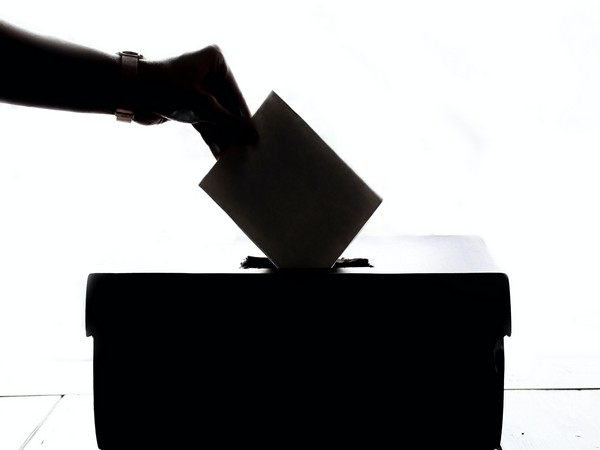
As Nigeria inches closer to the 2027 general elections—scheduled for January 16, 2027 (presidential and National Assembly) and February 6, 2027 (governorship and state assemblies)—the stakes have never been higher.
The 2023 elections were fought on hope, resentment, identity, party loyalty, and fragmentation. But 2027 will be different. It will be a contest shaped by memories of economic pain, political disappointment, and escalating insecurity.
For Nigerian voters, this election is not just about choosing a leader—it is about determining the country’s trajectory. Here is what every Nigerian electorate should expect as the nation marches toward another defining democratic exercise.
The Political Landscape: A Familiar Three-Horse Race
The 2027 presidential election is shaping up to be a rematch of the 2023 contest, featuring the same three principal actors: incumbent President Bola Ahmed Tinubu of the All Progressives Congress (APC), former Vice President Atiku Abubakar of the African Democratic Congress (ADC), and former Anambra State Governor Peter Obi of the Nigeria Democratic Congress (NDC). This time, however, they are running on different political platforms—Atiku and Obi have shifted from the PDP and Labour Party to the ADC and NDC respectively.
President Bola Tinubu enters the race as the clear frontrunner, according to forecasts by data analysis firm CellHub. This advantage, however, stems less from widespread popularity and more from a fractured opposition and Nigeria’s winner-takes-all electoral system. Tinubu’s approval ratings remain in the low thirties, with a majority of Nigerians reporting they are worse off economically than in 2023. Yet incumbency carries formidable advantages: visibility, control of federal patronage, party machinery, and the authority of office. The APC now controls 31 of Nigeria’s 36 states and holds a two-thirds majority in the National Assembly.
Atiku Abubakar, running alongside former Rivers State Governor Rotimi Amaechi, faces a distinct challenge. If this is his fifth and likely final presidential bid, it may be his most critical moment with history. Few Nigerian politicians match his experience and networks, but that recognition can also tie him to the old order. Atiku must persuade voters that he offers national rescue, not merely an old ambition.
Peter Obi, who disrupted the 2023 election by channelling anger among young, urban Nigerians, now faces tougher strategic tests. Novelty fades; opponents target weaknesses; supporters demand structure. Obi must show that his movement can become a machine without losing its soul, which means deeper penetration into the North and stronger rural networks.
Rabiu Kwankwaso, who won Kano State in 2023 with 6.23 per cent of the vote, is now Obi’s running mate. Other contenders include Seyi Makinde (APM), Donald Duke (PRP), Adewole Adebayo (SDP), Omoyele Sowore (AAC), and others.
The Arithmetic of Division
The defining structural reality of the 2027 election is the fragmentation of the opposition vote. In 2023, Tinubu won with just 36.61 per cent of valid votes, while Atiku recorded 29.07 per cent, Obi 25.40 per cent, and Kwankwaso 6.23 per cent. More than 60 per cent of valid votes went to candidates other than the winner.
CellHub’s analysis makes this plain: “A unified bloc beats a divided one almost regardless of mood. Right now the opposition is divided and the governing party is not”. This is the arithmetic that Nigerian voters must understand—their collective choice is diluted when opposition votes are split across multiple candidates.
Insecurity: The Overriding Concern
Perhaps the most significant shift in voter sentiment is that insecurity has overtaken economic hardship as Nigerians’ foremost concern ahead of the 2027 elections. A voter sentiment survey by SBM Intelligence found that 45 per cent of respondents identified insecurity and terrorism as their primary concern. About 80 per cent of Nigerians believe the country is heading in the wrong direction.
The statistics are sobering. Between January and May 2026 alone, no fewer than 5,272 Nigerians were killed in violence-related incidents. Between 2006 and 2025, 222,137 Nigerians were killed in 46,182 violent incidents across the 36 states and the FCT. Terrorist attacks, banditry, kidnappings, and other violent crimes plague most zones, with insecurity now creeping into the South-West.
INEC Chairman Professor Joash Amupitan has warned that the elections could be conducted under the cloud of an “unprecedented security crisis”. The Minority Caucus of the House of Representatives has declared that “Nigeria is bleeding, Nigeria is confused, and Nigeria is being deliberately pushed to the brink,” accusing the Tinubu administration of prioritising re-election plots over citizen safety.
Human rights lawyer Femi Falana has warned that the country risks conducting another flawed electoral cycle unless worsening insecurity, poverty, kidnapping, and democratic deficits are urgently addressed.
Economic Realities: Hardship and Debt
The economic backdrop to the 2027 election is equally troubling. According to the International Monetary Fund, Nigeria’s public external debt is projected to rise from $51.9 billion in 2025 to $72.6 billion by 2027—a nearly 40 per cent increase within two years. The IMF attributed this rise partly to growing financing needs and spending pressures ahead of the election.
A nationwide poll by Harmattan Intelligence found that 80 per cent of respondents believe Nigeria is heading in the wrong direction, while 70 per cent said their personal economic circumstances had become much worse since Tinubu assumed office. Eighty-five per cent said transportation costs had increased significantly following the removal of fuel subsidy, and 45 per cent disclosed that they often struggle to afford three meals a day.
Cost of living and food prices were identified as the most important issues likely to influence voter decisions, with 50 per cent of respondents citing them as their primary concern.
The Nigerian Economic Summit Group (NESG) has warned that the 2027 elections could pose the biggest threat yet to ongoing economic reforms, cautioning that reform fatigue and policy reversals often set in as political cycles approach. Political spending ahead of 2027 will likely generate inflation, foreign exchange instability, and cost pressures across multiple sectors. Analysts warn that excess liquidity from political cash injections could threaten Nigeria’s fragile reform gains.
Electoral Reforms: Progress and Gaps
On February 18, 2026, President Tinubu signed the Electoral Act 2026 into law, establishing a new legal framework for the conduct of elections. The Act introduces several significant provisions:
- Section 60(3) gives statutory recognition to the INEC Result Viewing Portal (IReV) and mandates the electronic transmission of Form EC8A from polling units. This overrides the Supreme Court’s previous position that IReV data carried no legal weight against manually collated figures.
- Section 47 gives statutory recognition to the Bimodal Voter Accreditation System (BVAS).
- Section 60(6) creates criminal liability for any presiding officer who wilfully frustrates electronic transmission.
- Section 3 establishes a dedicated fund for INEC, with disbursement mandated no later than six months before a general election.
- Section 84(2) mandates direct and consensus primaries as the only permissible modes of candidate selection, removing the indirect primary system and its attendant delegate manipulation.
However, significant gaps remain. The Act does not define “communication failure,” creating a legal vacuum that could be exploited. There is no verification mechanism to determine whether a presiding officer’s claim of communication failure is genuine. The Act also imposes no requirement for presiding officers to document the circumstances of a claimed failure contemporaneously.
INEC has commenced a comprehensive review of its Regulations and Guidelines for Political Parties to align them with the Electoral Act 2026. The Commission is also drawing lessons from previous elections to strengthen preventive regulation, addressing challenges such as opaque party primaries, weak financial disclosure, and exclusionary participation patterns.
INEC and the Economic and Financial Crimes Commission (EFCC) have agreed to establish a new framework aimed at strengthening transparency and credibility, targeting vote-buying, campaign finance violations, and other forms of electoral malpractice. EFCC Chairman Ola Olukoyede has warned Nigerians against vote buying, describing it as a serious threat to democracy.
Technology and the New Generation of Voters
The 2027 elections will not be fought only on roads and in town halls; they will be fought in encrypted chat groups, messaging forwards, and on social media platforms. SBM Intelligence has warned that the 2027 polls could become Nigeria’s first major election significantly influenced by AI-driven political messaging and digital manipulation if adequate safeguards are not established. In the South-West, 66 per cent of respondents expressed high levels of concern about AI-generated content, deepfakes, and online misinformation.
Yet a new generation of voters is also emerging—one that is driving a historic shift away from traditional identity politics. These voters are utilising digital organising, demanding data-driven accountability, and pushing to dismantle the rigid “godfather” patronage system. Historically, Nigerian elections have been heavily driven by ethno-religious affiliations. The new generation is explicitly shunning these primordial ties in favour of issue-based politics.
Hakeem Baba-Ahmed, a former presidential aide, has warned politicians that regional identity alone will no longer guarantee electoral success. “Most northerners have moved away from the idea that just coming from the North is enough to get our votes,” he said. Voters are increasingly evaluating candidates based on performance, credibility, and capacity to address national challenges.
The massive mobilisation around obtaining Permanent Voter Cards (PVCs) has proven that younger voters want a direct stake in how the country is run. Instead of relying on empty campaign promises, younger electorates now heavily vet candidates based on their track records and practical capacity to solve national crises.
Public Confidence and Voter Turnout
Public confidence in the electoral process remains alarmingly low. Sixty per cent of respondents said they were not at all confident that the 2027 elections would be free and fair, while 30 per cent said they were not very confident.
Despite these concerns, voter enthusiasm appears strong. Sixty-five per cent of respondents said they were certain to vote, while another 25 per cent indicated they were very likely to participate. However, voter turnout could be a critical factor. According to SBM Intelligence, a high-turnout election could strengthen opposition prospects, while low voter participation may favour incumbents who benefit from established political structures.
What Voters Should Demand
As political activities gather momentum, Nigerian voters should expect—and demand—the following:
1. Issue-based campaigns. Researchers at public policy think-tank Nextier have warned that Nigerians want concrete plans on insecurity, jobs, and poverty—not recycled ethnic or religious appeals. Voters should hold candidates accountable for their policy proposals, not their identity or rhetoric.
2. Transparency in the electoral process. The Electoral Act 2026 provides new tools for transparency, including mandatory electronic transmission of results. Voters should demand that INEC fully implements these provisions and that presiding officers document any claims of communication failure.
3. Security guarantees. With insecurity now the top concern, voters should expect candidates to present credible, detailed security plans. The government must ensure that elections can be conducted safely across all zones.
4. Economic accountability. The IMF’s debt projections and the NESG’s warnings about reform fatigue underscore the need for fiscal discipline. Voters should demand transparency in election-year spending and accountability for public funds.
5. Rejection of vote buying. The EFCC has warned that vote buying threatens democracy. Voters should resist transactional politics and vote according to their conscience and their assessment of candidates’ competence.
6. Protection of democratic institutions. The Minority Caucus has raised alarms about judicial interventions that could undermine opposition participation. Voters should defend the independence of INEC, the judiciary, and other democratic institutions.
Conclusion
The 2027 Nigerian general election will be a defining moment for the nation’s democracy. It will be a contest shaped by insecurity, economic hardship, and deep public dissatisfaction—but also by a new generation of voters demanding competence over identity and accountability over patronage.
The arithmetic of division remains the most significant structural factor. Nigerian voters must understand that their collective choice is diluted when opposition votes are split across multiple candidates. Whether through coalition-building or strategic voting, the electorate has the power to shape the outcome.
As INEC Chairman Amupitan has noted, “For elections to inspire public confidence, the institutions that produce candidates must themselves operate transparently and within the law”. The same applies to voters. The health of Nigeria’s democracy depends not only on the integrity of its institutions but also on the vigilance, participation, and wisdom of its citizens.
The question for 2027 is not merely who will win—but whether Nigeria’s democracy will emerge stronger, more accountable, and more responsive to the needs of its people. That answer lies in the hands of Nigerian voters.
Leave a Reply