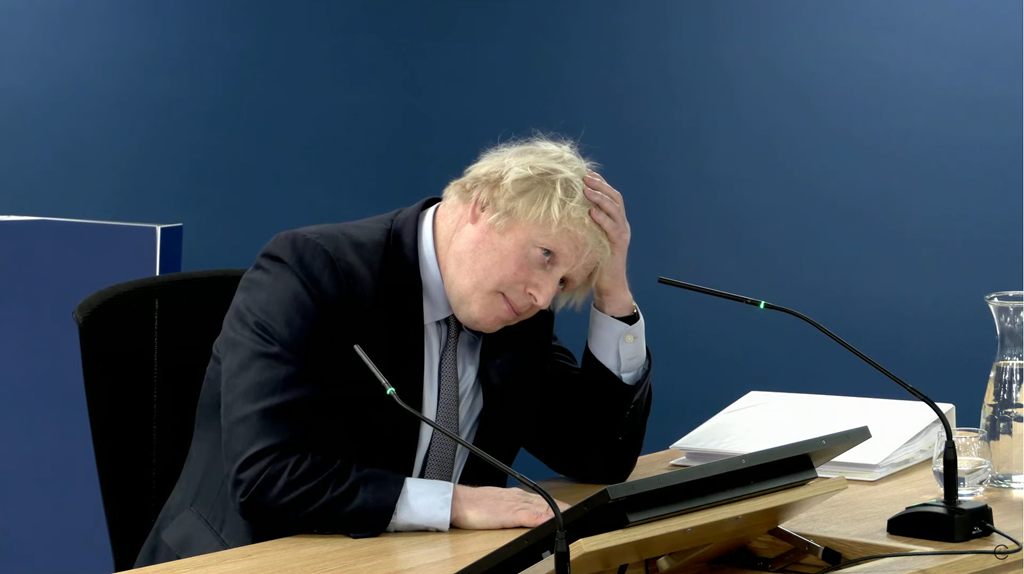
Westminster is braced for the publication of the COVID inquiry’s module two report, which is about political decision-making during the pandemic.
It will focus on the decisions made by key politicians as the pandemic unfolded, as well as processes within government to manage the crisis.
Figures like Boris Johnson, Matt Hancock (then health secretary), Sir Gavin Williamson (then education secretary), and many more will come under scrutiny.
Also very much under the microscope is Sir Chris Wormald, who is the current head of the Civil Service, and was the top civil servant in the Department of Health before and during the pandemic.
How much criticism will he personally face from the inquiry chair for the lack of pandemic preparedness, and the handling of the crisis?
Not only that, but there have been briefings against him in the newspapers from inside government, so could Sir Keir Starmer use this opportunity to give him the chop?
We’ll have all the details of the report as soon as it’s published, so do join us across MEZIESBLOG for that.
Who were the key players during the pandemic?
As we await the details of the report into the UK government’s handling of the coronavirus pandemic between 2020 and 2021, it’s worth reminding ourselves of whom the key players were.
Boris Johnson – PM
The Conservative MP and former Mayor of London led the UK into the pandemic, having won a landslide election the previous December.
He took the major decisions taken in England, including the three national lockdowns.
Johnson also caught coronavirus himself and nearly died, spending days in intensive care in April.
Dominic Raab deputised for him, and Johnson came out of hospital after seven days on 12 April.
He remained as PM until the end of the pandemic, but repeated social events – dubbed ‘PartyGate’ – eventually led to the end of his premiership.
Matt Hancock – health secretary
He was in charge of the Department of Health and Social Care throughout the pandemic.
Hancock perhaps made the most headlines, though, when he was caught breaking social distancing while having an affair with a senior departmental civil servant.
He resigned a day after apologising for breaking the rules, on 26 June 2021.
Rishi Sunak – chancellor
Later becoming the prime minister, Sunak was an up-and-coming darling of the Tory party during the pandemic.
His flagship moment was probably the introduction of ‘Eat Out to Help Out’, a discount dining scheme designed to boost the flailing hospitality sector.
That came into effect in August 2020 and saw the government subsidise food and drink, with up to 50% off at £10 per person.
In total, the scheme subsidised around £848m worth of meals.
He also oversaw the unprecedented furlough scheme, which gave grants to employers, so people continued to receive 80% of their salaries, up to £2,500 per month.
It’s thought it cost around £14bn a month to run.
Sir Chris Wormald – top civil servant in the Department of Health and Social Care
Not technically someone making political decisions, Wormald was the top official at the Department of Health and Social Care, playing a key role in advising Hancock and rolling out policy.
He’s also risen up the chain since the pandemic, now serving as the Cabinet secretary – making him head of the UK civil service.
The devolved leaders – Nicola Sturgeon, Mark Drakeford, and Arlene Foster
Nicola Sturgeon was the First Minister in Scotland at the time of the pandemic, while Mark Drakeford was First Minister for Wales.
Arlene Foster was Northern Ireland’s first minister during the pandemic from January 2020 until she resigned on 14 June 2021.
Leave a Reply