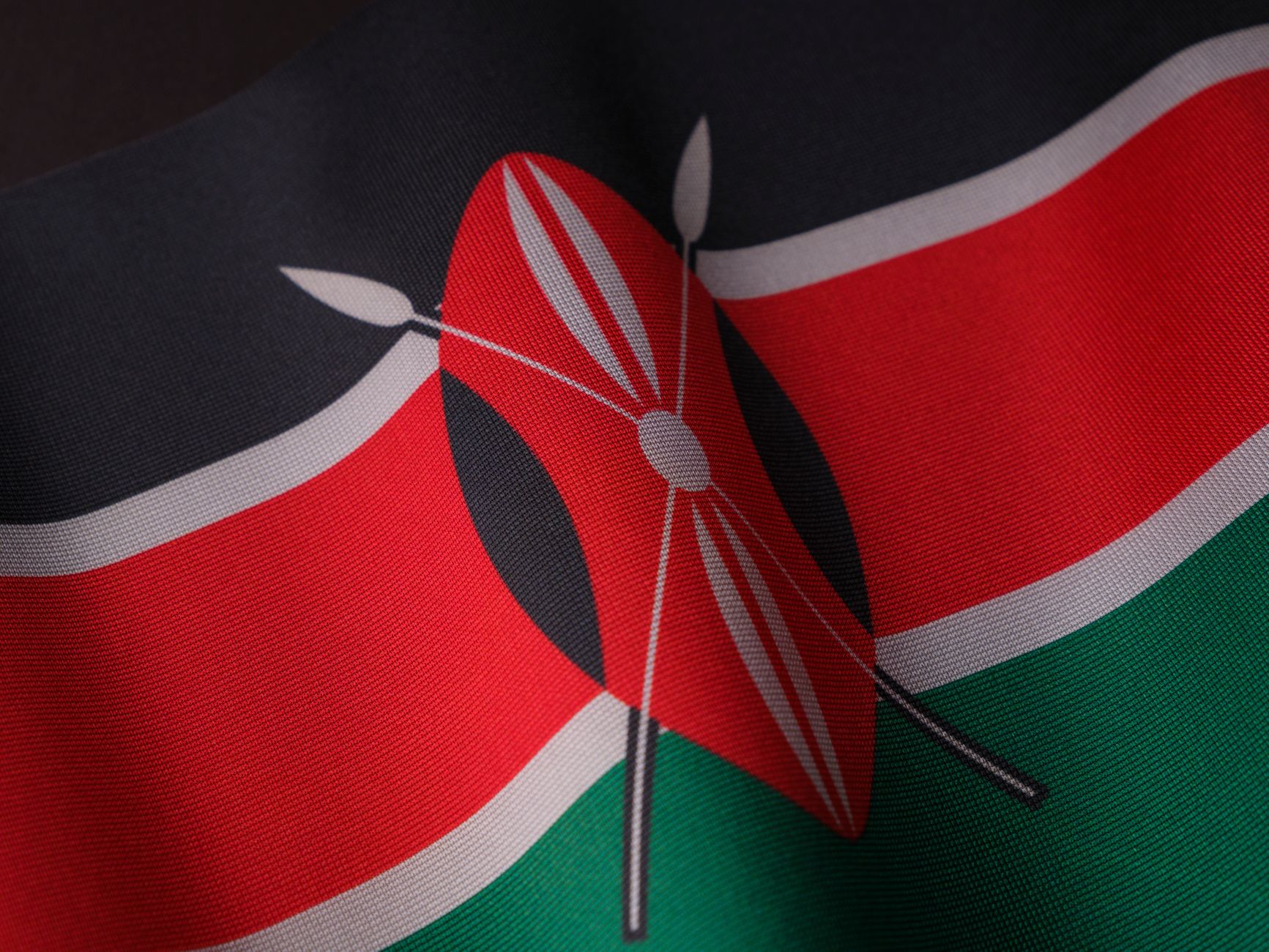
The deposit is estimated to hold more than $60 billion worth of niobium and rare earth elements, but the award faces procurement challenges from two losing bidders and opposition from local communities concerned about a sacred forest
A US-led consortium, Frontier Minerals, has won the tender to develop Kenya’s Mrima Hill critical minerals project, defeating seven competing bidders including firms from China and Australia, Kenya’s Ministry of Mining announced on Thursday . The deposit, located in Kwale County near Kenya’s Indian Ocean coastline, is estimated to contain more than $60 billion worth of critical minerals, including niobium—a metal used in electric vehicles, aerospace and defence technologies—and rare earth elements essential to advanced manufacturing .
The Frontier Minerals Consortium comprises three US companies: Indiana-based ReElement Technologies, American Resources Corporation, and Bunker Hill Mining Corp . ReElement, a rare earths startup, brings proprietary chromatography-based separation technology that the consortium proposes to deploy in Kenya, while Bunker Hill operates a zinc, silver and lead mine in Idaho .
A Strategic Prize for Washington
The award represents a significant win for Washington in its push to secure supplies of minerals critical to defence and electronics outside China’s dominance. China refines between 47% and 87% of copper, lithium, cobalt, graphite and rare earths, according to the International Energy Agency . US officials have identified Mrima Hill as a key target in President Donald Trump’s drive to increase American access to critical minerals .
The tender process drew intense interest from multiple countries. Seven bidders were shortlisted in July, including two Chinese companies that later withdrew without giving a reason . The final round pitted Frontier against Mrima Earth Limited—a consortium including New York-based Critical Metals Corp and European Lithium—and a group led by Australia’s RareX .
Commitment to Local Processing
A central element of Frontier’s proposal is the development of processing and refining capacity within Kenya, aligning with the government’s push to retain more value from its mineral resources rather than exporting raw concentrates.
“We intend to create lasting opportunities for Kenyan workers, businesses and the wider economy through capacity-building and targeted investment, while prioritising environmental management and performance,” said Brad Barnett, Frontier’s managing member .
The consortium said its refining technology had been validated across 15 rare earth and critical minerals and cited its facility in Marion, Indiana, as a potential reference model for deploying advanced processing capacity in Kenya, subject to necessary approvals .
Kenya’s mining ministry emphasised that the selection process assessed investors’ financial strength, technical expertise and commitments to environmental protection and local mineral processing. “Our commitment from the outset was to ensure that Kenya attracts only world class, technically capable, and financially sound partners who share our vision for in-country value addition, environmental stewardship, and shared prosperity,” the ministry said .
Legal Challenges Mount
The award has not gone unchallenged. Both losing finalists have indicated they will contest the decision. Jess Singh, an official with Mrima Earth Limited, said his consortium would challenge the ministry’s decision before Kenya’s Public Procurement Regulatory Authority .
RareX said it intends to file a procurement complaint by December 10, arguing that Frontier missed an earlier deadline to submit its expression of interest and was therefore ineligible to compete . The RareX–Iluka Consortium ranked second among the three shortlisted bidders .
In a joint statement, RareX Managing Director and CEO James Durrant and Chairman Jeremy Robinson said: “Kenya has run a serious, competitive tender, and we respect the rigour the Ministry has brought to the evaluation. We do not take this step lightly, but every bidder should have met the same entry conditions. We believe in Kenya, and we are confident the rule of law will prevail” .
Kenya’s mining ministry has maintained that the process was open and transparent .
Environmental and Cultural Concerns
The project faces significant local opposition over its location. Mrima Hill covers approximately 390 acres of forest that local communities consider sacred, containing ancestral burial sites. The Mrima Hill Sacred Grove forest reserve was designated a national monument in 1992 .
Masoud Suleiman Mwarizo, chairman of the Mrima Hill Digo Community Trust, expressed the community’s resolve: “Our traditions and practices are organized around the forest. All our ancestors are buried here. We will refuse any digging of the hill” .
Farmers in the area also fear displacement and loss of livelihoods. Justus Mwero, chairman of the Mrima Farm Owners Community-Based Organization, said residents had received little information about the project’s implications. “We haven’t been informed about the process at all. We don’t know how people are going to be looked after, or what impact the project will have,” he said .
Frontier acknowledged these concerns, stating: “Frontier recognises the environmental, cultural and social significance of Mrima Hill and the importance of ensuring that local communities are meaningfully involved as the project progresses. The consortium is committed to engaging openly and transparently with local communities and the relevant authorities” .
What Comes Next
The award does not grant immediate mining rights. Frontier must first obtain a prospecting licence, secure community consent, complete environmental and social impact assessments, and negotiate a community development agreement before any exploration can begin . A full feasibility study will then determine mine design, infrastructure requirements, development costs and commercial viability .
The consortium has not disclosed its investment budget, financing commitments or expected production date .
Kenya’s government has set an ambitious target to increase mining’s contribution to GDP from approximately 0.8% to 10% by 2030, and the Mrima Hill project will serve as a test of whether the country can convert mineral wealth into investment and jobs while safeguarding environmental and community interests.
Leave a Reply