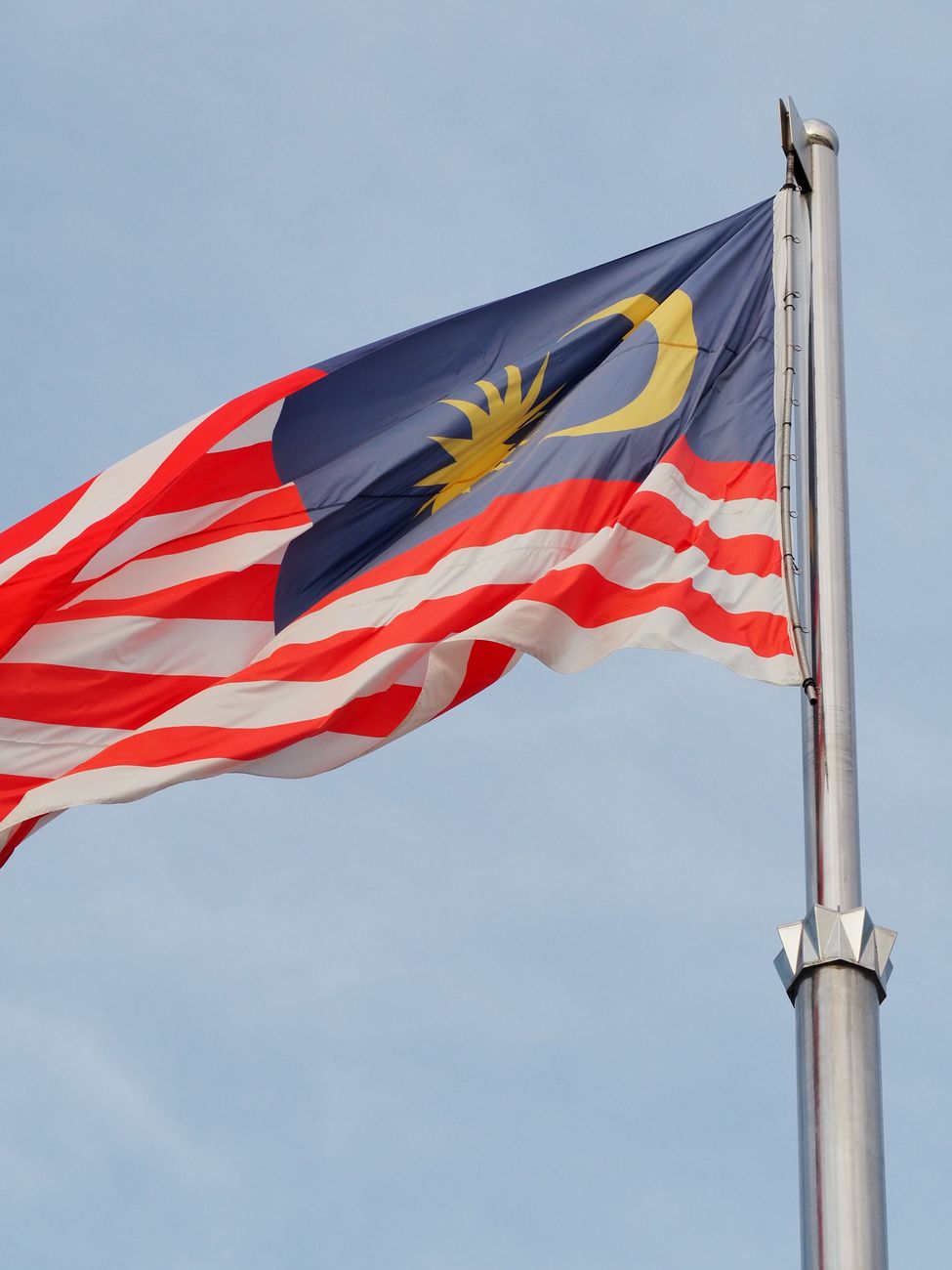
Malaysia enters the final days of May 2026 facing a mix of political uncertainty, economic caution, regional diplomacy challenges, and growing public concern over governance and social stability. Across newspapers and digital platforms today, the dominant themes include Prime Minister Datuk Seri Anwar Ibrahim’s government navigating coalition pressures, fresh anti-corruption developments, concerns about living costs, strategic security questions, and continuing debate over Malaysia’s future economic direction.
Political Temperature Rises Ahead of 2027 Expectations
Political reporting dominates many Malaysian front pages today as speculation continues over how stable the Unity Government will remain heading into the expected 2027 general election cycle. Commentary in several newspapers reflects rising political maneuvering among coalition partners and increasing public focus on succession politics within both the government and opposition camps.
Malay Mail highlighted discussions around Anwar Ibrahim’s balancing act between coalition unity and growing demands from party factions. Analysts cited in opinion columns noted that the Prime Minister appears focused on preserving long-term coalition stability while simultaneously addressing dissatisfaction among grassroots political supporters.
Bernama meanwhile reported renewed statements from senior leaders insisting that cooperation between Barisan Nasional (BN) and Pakatan Harapan (PH) remains intact despite growing speculation about internal disagreements. Communications Minister Fahmi Fadzil was quoted reaffirming the Unity Government’s commitment to completing its term.
At the same time, Malaysiakini carried reports about tensions inside political parties, including calls for leaders to take responsibility for disloyalty within party ranks. Political observers believe these disputes may shape internal elections and candidate selection processes over the next year.
The political mood across Malaysia today is therefore one of cautious stability rather than outright crisis. Coalition partners continue to publicly support one another, but newspapers widely acknowledge that political positioning ahead of future elections has already begun.
Cost of Living Still a Major National Concern
Economic pressure and rising household costs remain among the biggest concerns for Malaysians in 2026. Several newspapers today focused on government measures designed to reduce pressure on lower- and middle-income groups.
Bernama reported that the government will maintain the Budi MADANI diesel subsidy assistance at RM300 per month while introducing additional interim aid for eligible recipients. Officials argued that the measures are necessary to shield vulnerable communities from global supply disruptions and fluctuating fuel markets.
The Sun Malaysia also featured analysis on payment infrastructure and the future of small and medium enterprises (SMEs), suggesting that digital transformation will become increasingly important as businesses face tighter margins and changing consumer behavior.
Economic discussions today also reflected wider concerns about inflation. Bernama reported statements from Deputy Domestic Trade and Cost of Living Minister Dr. Fuziah Salleh and other officials who insisted that inflation remains “moderate and controlled” despite international supply chain disruptions.
However, public skepticism remains visible across commentary sections and social media reactions referenced by several news portals. Malaysians continue to debate whether subsidies alone can adequately address wage stagnation, housing affordability, and rising food prices.
The issue has become especially sensitive because Malaysia’s economy is simultaneously attempting to modernize through technology and artificial intelligence investments while ordinary citizens remain focused on immediate daily expenses.
Anti-Corruption and Governance Issues Continue to Make Headlines
Governance and anti-corruption efforts continue to dominate national discourse. The New Straits Times revisited Malaysia’s long-running 1MDB recovery efforts, reporting that authorities have recovered more than RM31 billion connected to misappropriated funds.
The issue remains politically significant because the 1MDB scandal continues to shape public expectations around transparency and accountability. Newspapers today repeatedly referenced governance reforms as a central benchmark by which voters evaluate current leaders.
Bernama also reported on major court developments involving a former Sabah Water Department director who received an eight-year prison sentence and a massive financial penalty after being found guilty of multiple money laundering charges.
Separately, legal and political tensions surfaced in reports involving defamation and political accusations. Malay Mail carried earlier context regarding Transport Minister Anthony Loke’s police report against activist Chegubard over allegations circulated online.
Taken together, these stories reflect how anti-corruption themes remain deeply embedded in Malaysia’s political culture. Public demand for institutional reform remains high, and every major investigation or court decision quickly becomes national news.
Security and Regional Diplomacy Gain Attention
Regional security concerns are increasingly influencing Malaysian political discussions. Bernama today highlighted Malaysia’s involvement in international diplomatic efforts connected to activists detained near Gaza. Prime Minister Anwar Ibrahim reportedly stated that Malaysia is working with friendly nations to secure the release of those involved.
Security discussions also extend closer to home. Commentary about the Strait of Malacca appeared in Malay Mail opinion sections, reflecting growing geopolitical anxiety over trade routes, maritime sovereignty, and global power competition in Southeast Asia.
Malaysia’s strategic location continues to place it at the center of regional conversations involving China, the United States, ASEAN, and broader Indo-Pacific security questions. Analysts increasingly warn that economic competition and maritime disputes may affect regional trade and diplomatic relations in coming years.
Another major security-related topic involves narcotics enforcement. Malay Mail reported that Malaysia will begin rolling out fentanyl test kits in June as authorities intensify efforts against synthetic drug threats.
Officials view synthetic drugs as a growing transnational challenge requiring stronger border controls, improved enforcement cooperation, and updated public health responses.
Artificial Intelligence and Technology Push Accelerates
Technology transformation is becoming a major policy focus across Malaysia. Bernama today reported that the Pahang State Secretary’s Office is expanding the use of artificial intelligence in government communications.
The move reflects a wider national push toward AI integration in both the public and private sectors. Malaysian leaders increasingly view technology modernization as essential for maintaining regional competitiveness against neighboring economies such as Singapore, Vietnam, and Indonesia.
At the same time, newspapers are also highlighting concerns about inequality and workforce readiness. Discussions about automation frequently include warnings that many workers may require retraining to remain competitive in a more digital economy.
The Sun Malaysia carried additional reporting suggesting that SMEs must improve digital payment systems and adopt new technologies to remain competitive in 2026 and beyond.
Malaysia’s technological ambitions therefore present both opportunity and uncertainty. Policymakers hope AI and digital infrastructure will boost productivity, attract foreign investment, and support long-term economic growth, but many citizens remain worried about whether these benefits will be shared evenly.
Public Trust and Social Cohesion Under Scrutiny
One of the most widely discussed studies referenced today came from The Star, which reported that Malaysia ranked as the world’s seventh most trusted nation according to the Edelman Trust Barometer.
Government supporters presented the finding as evidence that Malaysia’s institutions and leadership have improved public confidence. However, the same news cycle also included reports and commentary about rising social polarization and growing intolerance.
An ISEAS regional media roundup cited Malay Mail reporting that surveys show Malaysians becoming more insular and less tolerant of differences.
This contradiction — high institutional trust alongside social fragmentation — reflects one of the defining challenges facing Malaysia today. The country continues to balance ethnic, religious, linguistic, and political diversity while attempting to maintain national cohesion.
Many opinion writers argue that political rhetoric and online misinformation increasingly contribute to distrust between communities. Others believe Malaysia’s strong multicultural traditions remain resilient despite political tensions.
Crime and Public Safety Remain Major News Drivers
Crime stories continue to receive strong attention across Malaysian media today.
Malay Mail reported a viral incident in Johor involving a runaway buffalo that allegedly gored a man to death.
Other reports included arrests connected to trespassing incidents in Sarawak and murder charges involving a Malaysian citizen in Singapore.
Bernama also reported that police announced transfers involving six senior officers while authorities investigated individuals linked to a promotional video involving flares in Bukit Bintang.
Public safety concerns increasingly intersect with debates about urban security, youth behavior, and the influence of social media culture. Viral incidents frequently dominate online discussion and often pressure authorities into rapid responses.
Meanwhile, healthcare infrastructure remains a continuing concern. Earlier reports from Malay Mail noted that Johor authorities are still attempting to address staffing shortages at Pasir Gudang Hospital.
Healthcare access and hospital capacity remain politically sensitive topics, especially as Malaysia prepares for an aging population over the next two decades.
Malaysia’s Aging Society Raises Long-Term Concerns
Long-term demographic challenges are receiving growing media attention. NST discussions referenced concerns that Malaysia may become an “aged nation” by 2040 while facing significant healthcare financing pressures.
Experts warn that rising obesity and diabetes rates among younger Malaysians may place additional pressure on the healthcare system in future decades.
This demographic transition is likely to influence nearly every area of policy, including pensions, labor markets, healthcare spending, housing, and immigration policy.
Malaysia therefore faces the dual challenge of preparing for an aging society while simultaneously attempting to modernize economically and technologically.
Sports and National Identity
Sports coverage today also reflected broader concerns about national performance and morale. The Star reported disappointment surrounding Malaysian badminton players Leong Jun Hao and Justin Hoh exiting early from tournament competition.
Badminton remains one of Malaysia’s most emotionally significant sports, and defeats often trigger intense national debate about athlete development and international competitiveness.
Prime Minister Anwar Ibrahim also reportedly emphasized the importance of athlete welfare as part of Malaysia’s sporting strategy.
Sports reporting in Malaysia frequently extends beyond athletics into questions of national pride, youth development, and international reputation.
Environmental and Sustainability Challenges
Environmental policy is emerging as another major national issue.
Regional reporting highlighted Malaysia’s efforts to address future electric vehicle battery waste challenges.
As Southeast Asia accelerates its transition toward greener technologies, Malaysia faces growing pressure to develop recycling systems, renewable energy strategies, and sustainable industrial policies.
Discussions about environmental sustainability increasingly overlap with economic planning because Malaysia hopes to position itself as a competitive regional manufacturing and technology hub.
Energy security, food supply stability, and climate adaptation are likely to remain dominant policy themes throughout the remainder of 2026.
Leave a Reply