India’s news agenda today is dominated by political tensions, student protests, heavy monsoon conditions and growing debate over the country’s strategic relationship with the United States. Developments in Jammu and Kashmir, Tamil Nadu and Jharkhand are also attracting national attention.
JD Vance Calls Narendra Modi as India-US Ties Remain in Focus
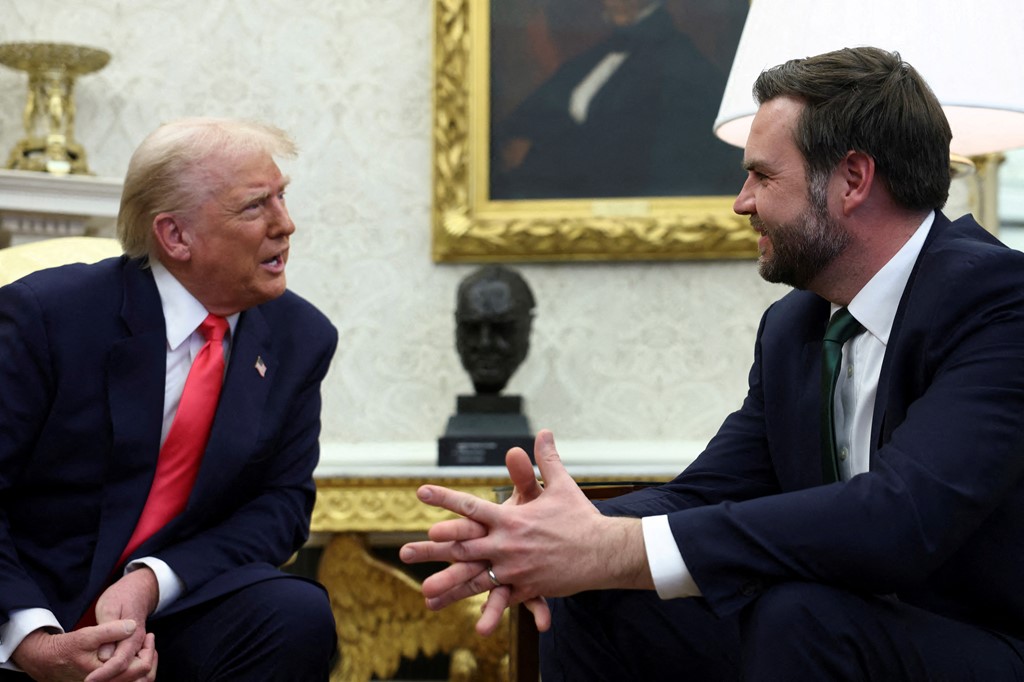
US Vice President JD Vance spoke by telephone with Indian Prime Minister Narendra Modi on Saturday, with the conversation focusing on India-US strategic relations.
The call comes at a sensitive moment for international diplomacy, particularly as tensions surrounding the wider West Asia conflict continue to affect global energy supplies and regional security. The conversation also comes after Vance and his wife, Usha Vance, welcomed their son, with Modi congratulating the US vice president on the birth.
The discussion is being closely watched in India because Washington and New Delhi have been seeking to deepen their strategic partnership in areas including defence, trade, technology and regional security.
Student Protests Continue in Jharkhand
Student protests over recruitment examinations remain a major domestic political story. JLKM MLA Jairam Mahato is scheduled to observe a day-long waterless fast in support of students protesting over the JPSC-JSSC recruitment dispute.
Mahato has warned that the agitation could intensify after the state Assembly session if protesters’ demands are not resolved. The dispute centres on recruitment examinations and demands from students for greater clarity and fairness in the selection process.
The controversy has become politically sensitive because government recruitment examinations are an important route into public-sector employment for thousands of young Indians.
Tamil Nadu Leaders Oppose Delimitation Plans
Political leaders in Tamil Nadu have stepped up opposition to the proposed delimitation exercise, with a meeting of MPs and political representatives expressing support for maintaining the current allocation of 543 Lok Sabha seats.
The debate centres on concerns that a redistribution of parliamentary seats based primarily on population could reduce the political representation of southern states, which have historically achieved lower population growth through stronger social and economic policies.
Tamil Nadu Chief Minister M.K. Stalin and other political leaders have repeatedly argued that states should not be penalised electorally for successfully implementing population-control measures.
The issue has the potential to become a major federal debate because it concerns the balance of political representation between India’s northern and southern states.
Government Faces Questions Over Education Spending
Questions about India’s education spending are also attracting attention. Reports indicate that government expenditure on education remains below the benchmark recommended by UNESCO.
Education has long been identified as a key factor in India’s efforts to improve human capital, employment opportunities and long-term economic productivity. The debate over spending is therefore closely connected to concerns about school infrastructure, higher education, skills development and access to quality learning.
The issue is particularly important as India seeks to maintain rapid economic growth while preparing a very large young population for an increasingly technology-driven labour market.
AI Safety Becomes an Economic Policy Issue
India’s Chief Economic Adviser V. Anantha Nageswaran has called for greater attention to artificial-intelligence safety, particularly within the financial system.
Nageswaran stressed that humans should remain involved in important decision-making processes and warned against allowing AI systems to create new forms of exclusion.
His comments reflect India’s growing focus on the economic consequences of rapidly developing AI technologies. The government and regulators are increasingly considering how AI can improve productivity while limiting risks involving financial stability, discrimination, cybersecurity and accountability.
Kashmir Sees Growing Railway and Tourism Activity
The completion and commissioning of the Udhampur-Srinagar-Baramulla Rail Link has entered a new phase, strengthening year-round railway connectivity in Jammu and Kashmir.
The railway network is expected to have significant implications for tourism and the movement of people and goods. Improved connectivity could make travel between Kashmir and other parts of India faster and more reliable, while also supporting tourism and local commerce.
The development is being viewed as an important infrastructure achievement for the region, particularly because road and air travel can be affected by weather and seasonal conditions.
Security Operations Continue in Jammu and Kashmir
Security agencies are continuing operations in parts of Jammu and Kashmir, with reports of raids in several districts in connection with an investigation involving alleged anti-national narratives.
Security remains a major concern in the region, where authorities continue to monitor militant activity and investigate suspected networks.
The latest operations come as the government maintains a strong security presence in Jammu and Kashmir while simultaneously promoting infrastructure development and tourism.
India Watches West Asia Crisis Closely
The continuing crisis in West Asia remains an important concern for India because of its implications for energy supplies, shipping routes and the safety of Indian citizens abroad.
India is particularly sensitive to developments affecting the Strait of Hormuz because the country is heavily dependent on imported crude oil. Any prolonged disruption to shipping through the waterway could increase energy costs and create additional pressure on India’s economy.
The government has therefore continued monitoring the security situation while maintaining diplomatic contacts with countries involved in the crisis.
India’s Commonwealth Games Performance Remains a Sporting Highlight
India finished the 2026 Commonwealth Games with 39 medals, including 13 gold, 17 silver and nine bronze, placing the country fourth in the overall medal standings.
The performance represents one of the significant recent achievements for Indian sport and provides momentum for athletes and national sporting programmes ahead of future international competitions.
The results have also renewed attention on India’s growing investment in elite sports and the development of athletes across disciplines beyond cricket.
Monsoon Rains Raise Flood and Disruption Concerns
Heavy monsoon rainfall remains another major concern across India. The India Meteorological Department has forecast widespread rainfall across northern, central, eastern, northeastern, western and southern parts of the country.
Some areas could experience heavy to very heavy rainfall accompanied by thunderstorms, lightning and strong winds. Delhi is also expected to receive rain.
Authorities and residents in vulnerable areas are being urged to remain alert to possible flooding, waterlogging, transport disruption and weather-related damage.
The monsoon remains crucial to India’s agricultural economy, but excessive rainfall in some regions can cause serious damage to crops, infrastructure and homes.
Political Debate Continues Across India
India’s political environment remains highly active, with disputes over delimitation, recruitment examinations and the role of opposition parties dominating several regional conversations.
The delimitation debate is particularly significant because it touches on the structure of India’s parliamentary representation and the relationship between the central government and individual states. At the same time, student protests over recruitment examinations reflect wider concerns among young people about employment opportunities and the fairness of government selection processes.
Overall
India is facing a mixture of political, economic, security and environmental developments today. Prime Minister Narendra Modi’s conversation with US Vice President JD Vance highlights the importance of India-US relations at a time of heightened geopolitical uncertainty.
Domestically, disputes over parliamentary delimitation and government recruitment examinations are generating political pressure, while concerns over education spending and the responsible use of artificial intelligence are shaping policy discussions.
Meanwhile, heavy monsoon rains are creating risks of flooding and disruption in several parts of the country, while improved railway connectivity in Jammu and Kashmir is expected to support tourism and economic activity. India’s strong Commonwealth Games performance has provided a more positive development on the sporting front.
Leave a Reply