Iceland’s news agenda today is dominated by the country’s upcoming European Union referendum, volcanic and environmental developments, transport issues, and preparations for Reykjavík’s annual Culture Night. Here is a roundup of the main stories, with verifiable information available as of August 20, 2026.
EU Referendum Enters Final Stage
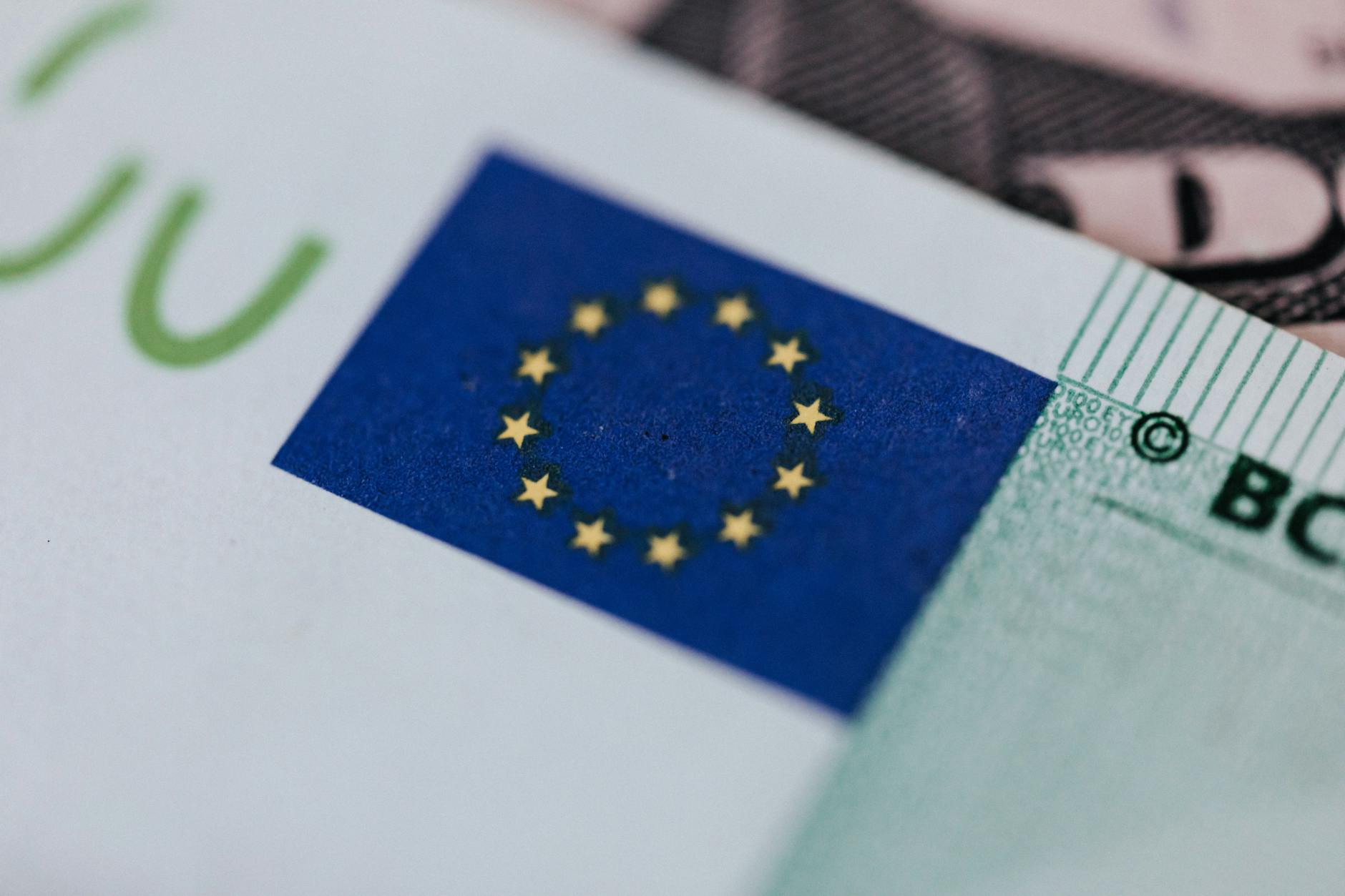
One of the biggest political stories in Iceland is the approaching referendum on whether the country should reopen negotiations on European Union membership. Icelanders will vote on August 29, 2026, and the question concerns restarting accession talks—not immediately joining the EU. If voters approve the proposal, negotiations could eventually lead to another referendum on actual membership.
The issue has become increasingly contentious, with fishing rights and national sovereignty among the central arguments. Supporters say renewed EU talks could strengthen Iceland’s economic and geopolitical position, while opponents worry about losing control over fisheries and other areas of national decision-making. Polling has indicated a closely divided electorate over whether negotiations should restart.
Volcanic Activity Continues to Be Closely Monitored
Iceland’s geological situation remains under close observation. The Icelandic Meteorological Office reported on August 18 that magma accumulation and ground uplift were continuing beneath Svartsengi on the Reykjanes Peninsula. The agency said the most likely scenario remained continued slow magma accumulation, potentially followed by a new dike intrusion and possibly another volcanic eruption.
The latest assessment does not mean that an eruption is imminent. Rather, it reflects the continued activity in an area that has experienced repeated volcanic unrest in recent years. Authorities and scientists continue to monitor earthquakes, ground deformation and other indicators for changes in the situation.
Small Glacial Flood Reported in South Iceland
A small glacial outburst flood is underway in Múlakvísl beneath Mýrdalsjökull, according to Iceland Review. Unusually high electrical conductivity in the river is indicating geothermal activity associated with the flood.
Glacial outburst floods, known in Icelandic as jökulhlaup, occur when water accumulated beneath or around a glacier is suddenly released. Although small events can be manageable, authorities monitor them carefully because larger floods can affect roads, bridges and other infrastructure.
Reykjavík Prepares for Culture Night
Preparations are also underway for Reykjavík’s Culture Night, or Menningarnótt. Road closures in central Reykjavík begin Thursday afternoon, with extensive closures expected as the festival takes over much of the city centre on Saturday. Free shuttle buses are planned to help people get around the affected areas.
Culture Night is one of Reykjavík’s major annual public celebrations, combining concerts, cultural events, exhibitions and community activities. The road restrictions are expected to have a noticeable effect on people travelling into central Reykjavík over the weekend.
Iceland and the Philippines Sign Air Services Agreement
Iceland and the Philippines have signed an air services agreement that could allow airlines to operate up to seven weekly flights between the two countries. The agreement was signed in Manila on August 20 and is intended to strengthen passenger and cargo connectivity.
The agreement does not necessarily mean that seven direct flights will begin immediately. Instead, it establishes a framework under which airlines can operate services, potentially creating new travel and commercial opportunities between Iceland and the Philippines.
The Solar Eclipse Continues to Shape the Tourism Story
Although Iceland’s total solar eclipse took place on August 12, its impact remains part of the country’s recent news cycle. Reykjavík experienced totality during the eclipse, drawing large numbers of visitors and creating major logistical challenges around transportation and the airport. RÚV described the eclipse from Reykjavík as considerably more impressive than expected despite cloud conditions.
The event was also significant for Iceland’s tourism industry, with exceptionally high visitor numbers and numerous cruise ships scheduled around the eclipse. The large influx provided a major boost for tourism businesses but also placed additional pressure on accommodation and transportation infrastructure.
Iceland’s European Future Takes Center Stage
Taken together, today’s developments show a country balancing questions about its international future with the environmental forces that have always shaped life in Iceland. The August 29 EU referendum is likely to remain the dominant political story in the coming days, while volcanic monitoring and infrastructure preparedness remain important parts of the national agenda.
For residents, Culture Night will provide a very different kind of headline this weekend, bringing large crowds into Reykjavík after a summer already marked by an extraordinary solar eclipse. Meanwhile, the new Iceland-Philippines aviation agreement could open another avenue for international travel and trade.
The next major political milestone is now only days away: Iceland’s referendum on whether to reopen EU accession negotiations on August 29. Its result could influence the country’s economic and geopolitical direction for years to come.
Leave a Reply