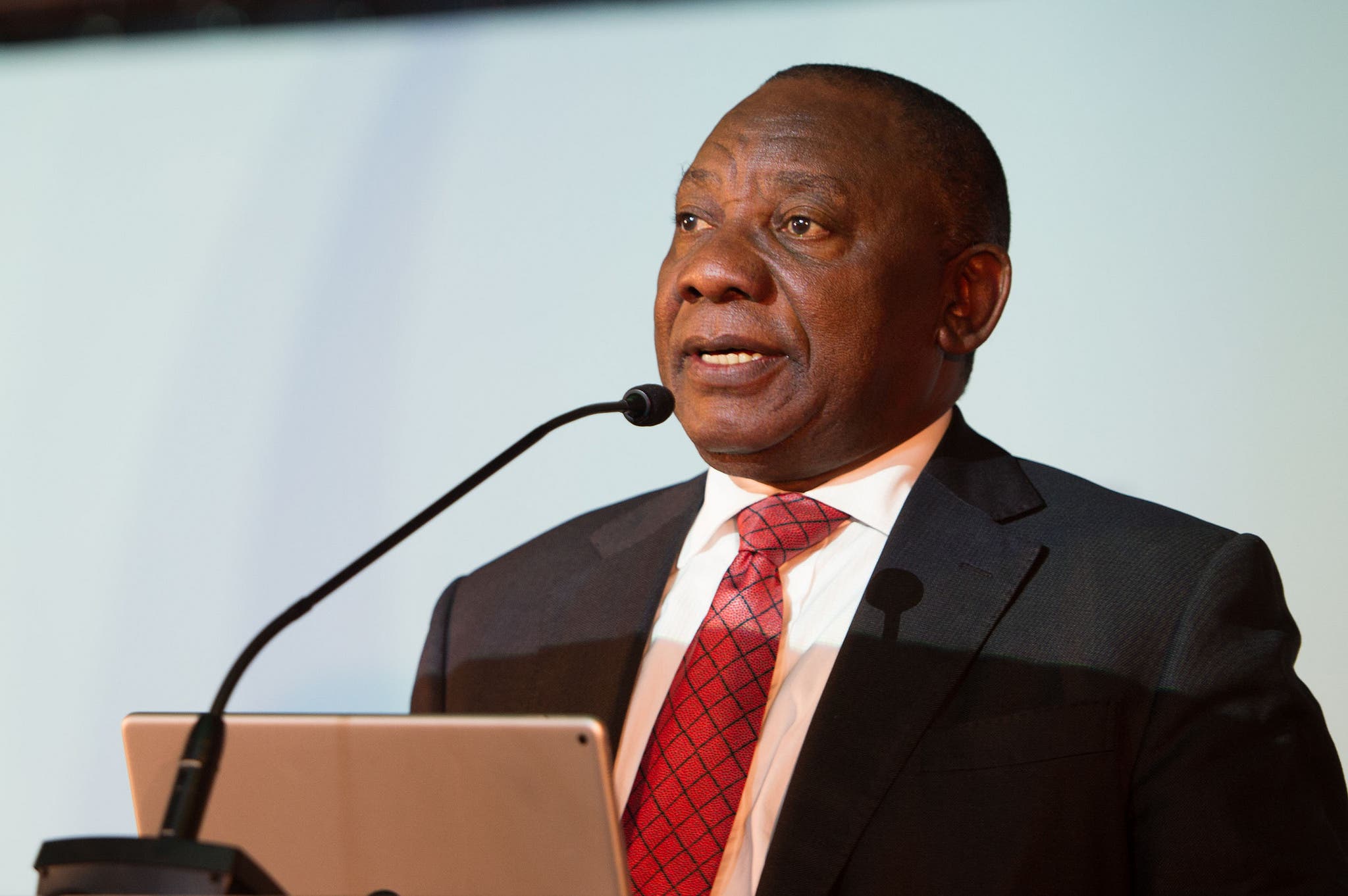
Ramaphosa Pushes Back Against Anti-Migrant Sentiment as Tensions Rise
One of the dominant stories across South African news platforms this week has been the escalating debate over immigration, xenophobia, and economic frustration. President Cyril Ramaphosa has publicly warned against blaming migrants for the country’s deep-rooted socioeconomic problems, arguing that unemployment, inequality, crime, and weak economic growth cannot be solved through scapegoating foreign nationals.
Speaking around Youth Day commemorations, Ramaphosa acknowledged widespread anger among South Africans, particularly young people confronting severe unemployment. Yet he argued that directing that frustration toward migrants would distract from the structural reforms required to create jobs and stimulate growth. According to reports, youth unemployment remains among the highest in the world, with millions of young South Africans unable to find work.
His comments come ahead of a self-imposed deadline by anti-immigration groups demanding that undocumented migrants leave the country by the end of June. Labour federations including COSATU, FEDUSA, SAFTU, and NACTU have urged workers not to participate in demonstrations connected to the campaign. Union leaders warned that such actions could deepen social divisions and potentially expose workers to disciplinary consequences if they abandon their jobs to join protests.
The immigration debate has also generated significant diplomatic concern. Justice Minister Mmamoloko Kubayi warned that recent attacks on foreign nationals are damaging South Africa’s reputation across the continent. Reports indicate that several African countries have already organised repatriation efforts for citizens who fear for their safety.
Kubayi stressed that immigration enforcement must occur through legal channels and not through vigilante action. In media interviews carried by various publications, she argued that social cohesion and constitutional principles were at risk if communities took the law into their own hands.
The issue has become increasingly sensitive because many migrants targeted during recent unrest have lived in South Africa for years or even decades. Their stories have featured prominently in newspaper coverage, illustrating the human consequences of the growing hostility.
Migrants Describe Fear, Loss and Uncertainty
South African newspapers and digital publications have carried emotional accounts from migrants affected by recent violence.
Among the most widely reported stories is that of Princess Adjei, a Ghanaian woman who grew up in South Africa and recently established a small salon business in Durban. According to interviews published this week, her business was looted during anti-migrant unrest, leaving her without income or stable accommodation.
Adjei described the devastating impact on her family and her efforts to rebuild. Her experience mirrors that of hundreds of other migrants who have sought assistance from authorities amid fears of further attacks. Many have reportedly gathered outside government offices seeking protection, documentation support, or repatriation assistance.
Coverage of the crisis has also highlighted the complexity of migrant communities in South Africa. Many individuals affected are not recent arrivals but people who have attended South African schools, built businesses, raised families, and established long-term ties to local communities.
Some migrants interviewed by reporters said they felt abandoned by both government institutions and neighbours who had previously supported them. Others described instances where communities rallied to protect foreign-owned businesses from attacks.
The conflicting experiences illustrate the divisions emerging within South African society as economic hardship intensifies and political pressure grows ahead of future local elections.
Youth Day Sparks Reflection on Soweto’s Legacy
The fiftieth anniversary of the 1976 Soweto Uprising has generated extensive coverage throughout South Africa this week.
Newspapers, broadcasters, and commentators have revisited the events of June 16, 1976, when thousands of students protested against apartheid education policies and were met with deadly force. The anniversary has prompted renewed debate about the progress achieved since democracy and the challenges still confronting young South Africans.
Many survivors of the uprising participated in commemorative events and media interviews. Several reflected on the sacrifices made by their generation and expressed concern that current economic realities threaten to undermine the aspirations that motivated the struggle.
Former activists recalled experiences of imprisonment, exile, and police brutality during the apartheid era. Their testimonies have served as reminders that the uprising was not merely a historical event but a transformative moment that reshaped South African politics.
President Ramaphosa used the anniversary period to launch the government’s “Milestones of Freedom” campaign, which seeks to connect South Africa’s democratic achievements with ongoing efforts to address inequality and poverty. He emphasised that while substantial progress has been made since apartheid, the project of building a more inclusive society remains unfinished.
Editorials across several publications have drawn parallels between the frustrations that fuelled student activism in 1976 and contemporary concerns about unemployment, educational outcomes, and economic exclusion.
Many commentators argued that the most meaningful tribute to the generation of 1976 would be creating opportunities for today’s youth rather than simply commemorating historical milestones.
Crime and Policing Remain Under Intense Scrutiny
Violent crime continues to dominate national headlines.
Recent mass shootings around Johannesburg have once again focused attention on organised crime, illegal firearms, and weaknesses within the criminal justice system. Security analysts quoted in several reports argue that criminal syndicates have become increasingly sophisticated while law-enforcement agencies struggle with resource shortages and corruption challenges.
A particularly shocking attack left twelve people dead in an informal settlement near Johannesburg. Police described the killings as exceptionally brutal and launched extensive investigations into possible links with illegal mining syndicates operating in the region.
Residents interviewed after the shooting expressed anger and frustration over what they see as inadequate police protection. Community members reported living in fear amid recurring violence linked to territorial disputes among criminal groups.
Experts interviewed by newspapers said organised crime networks continue to exploit poverty, weak infrastructure, and limited policing capacity in vulnerable communities. Illegal mining operations remain a major source of violence, with armed groups competing for access to lucrative underground resources.
The situation has become so severe that the national government has previously deployed military resources to support law-enforcement operations targeting organised criminal networks. Analysts, however, warn that long-term solutions require stronger institutions, improved intelligence capabilities, and more effective prosecution of syndicate leaders.
Crime remains one of the issues most frequently cited by South Africans as a source of dissatisfaction with government performance.
Security and Border Control Concerns Intensify
Border security has emerged as another major policy issue amid growing concern over illegal immigration, smuggling, and trafficking.
Recent reporting highlights pressure on the South African National Defence Force and other security agencies responsible for monitoring the country’s extensive borders. Officials have reportedly acknowledged challenges including ageing equipment, staffing constraints, and the complexity of policing remote frontier areas.
Government is expected to increase support for border-security operations as part of broader efforts to strengthen immigration management and combat cross-border criminal activity. Policymakers argue that improving border control is essential both for national security and for restoring public confidence in immigration systems. (IOL)
At the same time, analysts caution that border enforcement alone will not resolve broader economic and social concerns driving anti-immigrant sentiment. They argue that public policy must simultaneously address unemployment, service delivery failures, and economic growth.
The debate illustrates the challenge facing government: balancing legitimate security concerns with constitutional protections and regional diplomatic obligations.
Political Fallout from Investigations Continues
Political reporting has been heavily influenced by developments surrounding ongoing investigations and commissions of inquiry.
Daily Maverick and other publications report continuing fallout linked to the Madlanga Commission, with disciplinary actions and suspensions affecting multiple officials. The developments have intensified debate regarding accountability within state institutions and the effectiveness of anti-corruption efforts. (Daily Maverick)
The investigations form part of a broader political environment in which transparency, governance, and institutional reform remain central issues.
Analysts note that South Africa’s governing coalition faces growing pressure to demonstrate measurable progress against corruption while simultaneously delivering economic improvements. Public patience has been tested by years of scandal, service-delivery complaints, and sluggish growth.
Opposition parties continue to use governance controversies as evidence that deeper reforms are needed throughout the public sector.
Economic Outlook Shows Mixed Signals
Business coverage presents a more nuanced picture of South Africa’s economic prospects.
While growth remains modest and unemployment stubbornly high, recent international assessments have pointed to improvements in fiscal management and government finances. Moody’s decision to upgrade South Africa’s outlook to positive has been cited by economists as evidence that reforms are beginning to generate results.
The ratings agency highlighted improvements in fiscal performance, debt management, and structural reforms. Although significant challenges remain, investors appear increasingly optimistic about the country’s medium-term trajectory. (Reuters)
Government has repeatedly argued that economic growth is the central priority. In his State of the Nation Address earlier this year, Ramaphosa emphasised the need for faster, more inclusive growth capable of generating employment opportunities. (The Presidency)
Business leaders have echoed those concerns. Economic commentators argue that sustained investment, energy-sector improvements, infrastructure development, and policy certainty will be essential if South Africa hopes to achieve stronger growth rates.
At the same time, newspapers continue to report public frustration over the gap between encouraging macroeconomic indicators and everyday economic realities. Many households remain under severe financial pressure due to unemployment, rising costs, and limited opportunities.
The contrast between improving fiscal indicators and persistent social hardship remains one of the defining themes of South African economic reporting.
Questions Over Governance, Services and Public Confidence
A recurring theme across opinion pages and political analysis is the growing disconnect between institutional reforms and the lived experiences of ordinary citizens.
Commentators note that while government has made progress in stabilising certain state institutions and addressing governance failures, many communities continue to struggle with unreliable services, inadequate infrastructure, and limited economic opportunities.
Public confidence remains heavily influenced by local realities rather than national policy announcements. Issues such as water supply, municipal performance, healthcare access, public safety, and employment opportunities continue to shape voter attitudes.
As South Africa approaches future electoral contests, these concerns are expected to play a decisive role in political debates.
For many observers, the key question is whether institutional reforms and economic improvements can translate into visible changes in citizens’ daily lives. Until that happens, dissatisfaction is likely to remain a powerful force in national politics.
The day’s coverage across South African newspapers ultimately reflects a country confronting several interconnected challenges: economic hardship, social tensions, crime, governance reform, and the enduring legacy of its history. At the same time, it reveals a continuing search for solutions capable of delivering both stability and opportunity in one of Africa’s most influential democracies.
Leave a Reply