Russia Deepens Its Turn Toward Asia as ASEAN Summit Dominates Headlines
Russian newspapers today devoted extensive coverage to the Russia–ASEAN Summit in Kazan, portraying the gathering as further evidence of Moscow’s strategic shift toward Asian markets and political partners. Business daily Kommersant and economic newspaper Vedomosti focused on trade opportunities, logistics corridors and energy cooperation, while state-linked outlets emphasized the geopolitical significance of expanding ties beyond Europe.
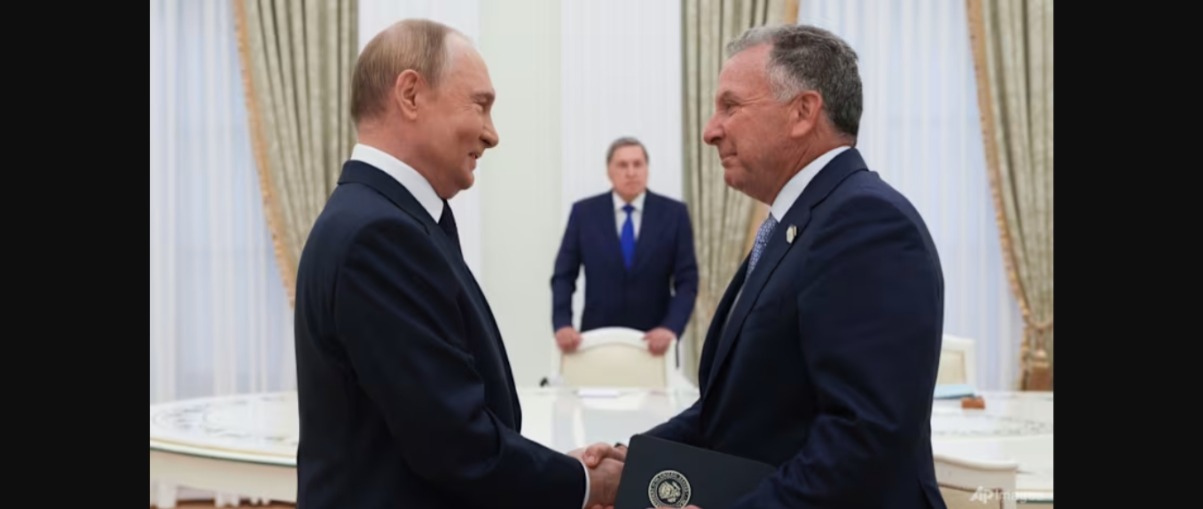
According to reports summarized in the Russian press, President Vladimir Putin held meetings with leaders from Vietnam, Thailand and other Southeast Asian nations. Discussions centered on energy exports, transportation links and investment cooperation. Kremlin aide Yuri Ushakov was quoted in coverage saying that Russia’s economic reorientation toward Asia was not a temporary response to sanctions but a long-term strategic course.
Several newspapers highlighted growing trade volumes with ASEAN states. Analysts interviewed by business publications argued that Russian exporters increasingly view Southeast Asia as a replacement market for goods previously sold in Europe. Economists cited by Vedomosti noted that while the transition remains incomplete, Russian companies are investing heavily in infrastructure and payment systems designed to facilitate Asian trade.
Interviews with trade specialists published in business newspapers reflected cautious optimism. One analyst argued that Southeast Asian demand for energy, fertilizers and agricultural products gives Russia an opportunity to diversify export destinations. Others warned that competition from China and regional suppliers would require Russia to improve logistics and financing mechanisms.
Monetary Policy and the Ruble Remain Central Economic Themes
Financial coverage focused heavily on the Bank of Russia’s decision to lower its key interest rate to 14.25 percent. Economic newspapers characterized the move as another step in the gradual easing cycle that began after inflation pressures moderated earlier in the year.
Vedomosti devoted significant attention to the implications for borrowing costs, investment and consumer spending. Bank executives interviewed by the newspaper welcomed the reduction, arguing that lower financing costs could stimulate corporate investment. However, some economists cautioned that inflation risks remain present, particularly if commodity prices rise sharply.
Russian financial commentators also examined exchange-rate movements. Coverage noted that the ruble remained relatively stable despite continued geopolitical uncertainty. Analysts interviewed in business publications linked the currency’s performance to energy exports, capital controls and trade settlement mechanisms increasingly conducted in national currencies rather than dollars or euros.
Banking sector representatives quoted in interviews suggested that businesses are gradually adapting to the new financial environment created by sanctions and shifting trade patterns. Some executives reported increasing use of yuan-denominated transactions and alternative payment channels in Asian markets.
Debate Continues Over Relations With Europe
Foreign policy coverage reflected a growing sense within Russian newspapers that relations with the European Union remain frozen. Several press reviews published by Russian media highlighted statements from Russian officials who argued that Brussels lacks the political will to restore meaningful dialogue.
Commentators interviewed by Kommersant suggested that the diplomatic impasse could persist for years. Some analysts argued that European governments continue to prioritize support for Ukraine over engagement with Moscow, while others noted that economic realities may eventually encourage limited cooperation in specific sectors.
Russian coverage also paid attention to remarks from Slovak Prime Minister Robert Fico regarding the need for communication channels between Russia and Europe. Newspapers portrayed such statements as evidence that some European leaders remain interested in pragmatic engagement despite broader tensions.
Political analysts quoted in interviews generally agreed that a full normalization of relations remains unlikely in the near term. However, several experts predicted that practical discussions on trade, energy and security could gradually resume if political conditions change.
Ukraine Remains a Major Focus Across Publications
Coverage of the conflict in Ukraine remained prominent throughout the Russian press. State media and government-affiliated newspapers reported military developments while emphasizing official statements regarding Russia’s strategic objectives.
Reports highlighted claims by Russian military authorities that additional settlements in the Donetsk region had come under Russian control during the week. Newspapers also covered statements from senior officials who argued that Ukraine faces increasing military and economic difficulties.
Political commentators interviewed by various publications offered differing assessments of the situation. Some argued that the conflict has entered a prolonged phase in which incremental gains matter more than dramatic battlefield breakthroughs. Others suggested that diplomatic opportunities could emerge if both sides become convinced that military solutions alone are insufficient.
Foreign Minister Sergei Lavrov’s recent remarks continued to receive attention in Russian newspapers. Coverage emphasized his criticism of European policies and his argument that Western governments are obstructing prospects for negotiations. Analysts interviewed afterward debated whether international mediation efforts could gain momentum later this year.
Energy Markets and the Middle East Influence Russian Economic Thinking
Russian business newspapers closely monitored developments in the Middle East, particularly their impact on oil prices and export revenues. Coverage linked international energy markets to domestic economic prospects and government finances.
Several economic analysts interviewed by newspapers argued that sustained energy prices would provide additional fiscal flexibility for Moscow. Others cautioned that volatility remains a risk given ongoing geopolitical tensions and uncertainty surrounding global demand.
Energy experts quoted in interviews noted that Russia continues to expand sales to Asian buyers. They described the process as complex but increasingly successful, pointing to new shipping routes, insurance arrangements and payment systems. At the same time, some specialists warned that infrastructure bottlenecks could limit future growth if investment does not keep pace with demand.
Coverage of Putin’s discussions with Vietnamese and Southeast Asian leaders frequently emphasized energy cooperation as a cornerstone of Russia’s international strategy. Newspapers portrayed these relationships as important both economically and politically.
Domestic Economic Adaptation Continues
Russian newspapers devoted substantial attention to how businesses are adapting to a changing economic environment. Manufacturing, logistics and technology sectors featured prominently in interviews and analytical articles.
Executives interviewed by business publications described efforts to localize production, expand domestic supply chains and increase cooperation with partners in Asia, the Middle East and Latin America. Several companies reported that import substitution programs have accelerated investments in industrial capacity.
Economists quoted in Vedomosti argued that adaptation has progressed further than many observers expected several years ago. However, they also acknowledged continuing challenges involving access to technology, financing and skilled labor.
Business leaders interviewed in economic newspapers frequently stressed the importance of predictability in monetary policy and regulation. Some executives said that lower interest rates could encourage investment decisions that had previously been postponed because of borrowing costs.
Gasoline Prices Draw Regulatory Scrutiny
A notable domestic story concerned investigations into gasoline pricing. Russian media reported that the Federal Anti-Monopoly Service had requested information from fuel retailers amid concerns over possible price manipulation.
Economic commentators interviewed by newspapers noted that fuel prices remain politically sensitive because of their influence on transportation costs and inflation. Analysts explained that authorities are seeking to balance market dynamics with social stability concerns. (The Moscow Times)
Energy market specialists quoted in interviews expressed differing opinions regarding the causes of price increases. Some attributed fluctuations to seasonal demand, while others suggested that supply-chain and distribution issues played a greater role. Regulatory officials are expected to examine detailed pricing data before determining whether further action is required.
Russians Abroad Face New Challenges
Several publications examined the experiences of Russians living overseas. Reports cited growing costs, tighter immigration rules and changing political conditions in countries that had become popular destinations after 2022.
One widely discussed article focused on Russians leaving Turkey. Interviews conducted by journalists revealed concerns about residency requirements, housing costs and administrative procedures. Some emigrants described returning to Russia, while others said they were relocating to different countries.
Another feature examined the situation of Russian expatriates in Kazakhstan. Interviewees described uncertainty surrounding legal status and concerns about increasing scrutiny from authorities. Participants quoted in the publication expressed mixed feelings about long-term prospects abroad.
Several emigrants interviewed by Russian-language media said that practical considerations rather than political motivations increasingly shape their decisions. Rising expenses, employment opportunities and family circumstances were repeatedly cited as key factors.
Cultural Life Reflects Wartime Realities
Arts and culture reporting demonstrated how the conflict continues to influence Russia’s cultural environment. Newspapers and online publications covered literary fairs, music releases and debates surrounding artistic expression.
A feature on a St. Petersburg literary event described the prominence of pro-war themes in contemporary publishing. Participants interviewed by reporters discussed the growing influence of patriotic literature and changing market conditions for publishers. Some industry figures noted increasing pressure on cultural institutions, while others argued that audience preferences are evolving naturally.
Coverage also focused on musicians and artists living outside Russia. Members of a young street band who relocated abroad discussed their experiences in exile during an interview with journalists. They spoke about rebuilding careers, maintaining connections with audiences and adapting to new circumstances. One musician described the process as difficult but necessary, while another emphasized the importance of continuing creative work despite uncertainty.
Film and literature coverage frequently reflected broader political debates. Commentators interviewed by cultural publications argued over the responsibilities of artists during periods of national crisis and the extent to which political views should influence professional opportunities.
Media Attention Turns to Russia’s Information Landscape
Several newspapers also carried reflections on the role of journalism itself. Discussions focused on audience trust, competition from digital platforms and the changing economics of media. Major publications such as Kommersant, Vedomosti, Izvestia and Rossiyskaya Gazeta continue to occupy influential positions within Russia’s media ecosystem, although each serves a different readership and editorial mission.
Media analysts interviewed in industry coverage noted that business publications remain particularly important for investors and corporate executives seeking detailed economic information. At the same time, broader national newspapers continue to shape public discussion on political and social issues.
Commentators suggested that the combination of geopolitical tensions, economic transformation and technological change has created one of the most challenging environments Russian media organizations have faced in decades. Yet they also argued that demand for reliable reporting and expert analysis remains strong, particularly regarding economic policy and international affairs.
As today’s editions demonstrate, Russian newspapers remain focused on a core set of themes: the country’s economic adaptation, its expanding relationships in Asia, the continuing conflict in Ukraine and the social consequences of a rapidly changing international environment.
Leave a Reply