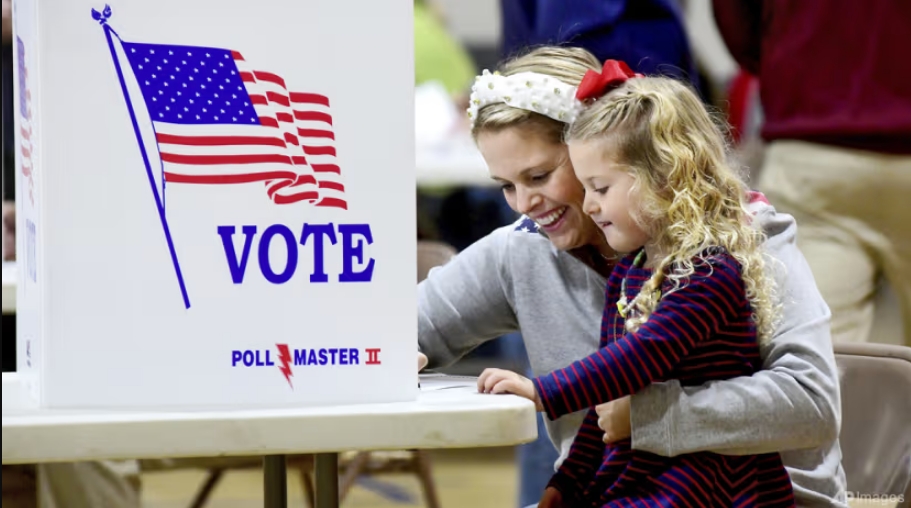
Five defendants in Miami and Madison argue a 1996 federal law is unconstitutional, testing the Justice Department’s authority to prosecute noncitizen voting ahead of the midterms.
As President Donald Trump seeks to crack down on what he calls widespread illegal voting by noncitizens, several people accused of the crime are trying a novel strategy to get their cases dismissed.
According to court records reviewed by Reuters, five defendants in federal cases in Miami and Madison, Wisconsin, are the first to argue in court that the 1996 law used to charge them is unconstitutional. If they win—and a ruling could come before the Nov. 3 midterm elections—it would raise questions about the federal government’s power to prosecute noncitizen voting cases.
The Trump administration has pushed to deport noncitizen voters, increasing the stakes for defendants. Before Trump’s second term, most people charged with noncitizen voting reached plea deals and typically faced fines of about $150, similar to a speeding ticket.
The defendants are charged under a federal foreigner voting statute that bars noncitizens from voting in federal elections. Violations can carry up to $100,000 in fines or one year in prison.
Defendants argue that the Constitution gives states the power to set voter qualifications. While every state requires voters to be citizens, they argue that enforcing that requirement is a state responsibility, not a federal one.
The Justice Department counters that the Supreme Court has recognized Congress’s power to protect election integrity, including through laws that criminalize double voting. The department also argues that the statute is not an election regulation but an immigration measure—part of the 1996 Illegal Immigration Reform and Immigrant Responsibility Act—and that Congress has clear authority over immigration. DOJ compares it to federal restrictions on campaign contributions by foreign nationals, which courts have upheld.
The five defendants want judges to dismiss the charges on constitutional grounds before trial. The first trial is set for Oct. 5, and the last for Dec. 14.
Noncitizen voting is rare, but the stakes are rising
Trump has repeatedly made unsubstantiated claims of widespread election fraud and questioned the legitimacy of U.S. elections. He says noncitizen voting is a widespread problem that undermines election integrity. But a Reuters analysis published July 19 found that noncitizen voting is extremely rare. In the law’s 30-year history, only 129 people have been prosecuted. The typical defendant is a lawful permanent resident with deep community ties who voted mistakenly believing they were allowed.
During the midterms—when the president’s party typically loses seats—Trump’s Republicans are fighting to keep control of Congress. Experts say the president’s repeated claims about widespread noncitizen voting may be intended to lay the groundwork for challenging election legitimacy if Democrats control Congress.
The Florida and Wisconsin cases
The first constitutional challenge was filed in March by Christian Erazo Valdez, an Ecuadorian citizen, according to records in federal court in Madison. He was charged in October with voting in the 2024 presidential election. A ruling on his motion to dismiss is expected soon. Another judge is scheduled to hear oral arguments on the constitutional claims Tuesday.
In Miami, U.S. District Judge David Leibowitz is handling the case against Chelsea Cox.
Leave a Reply