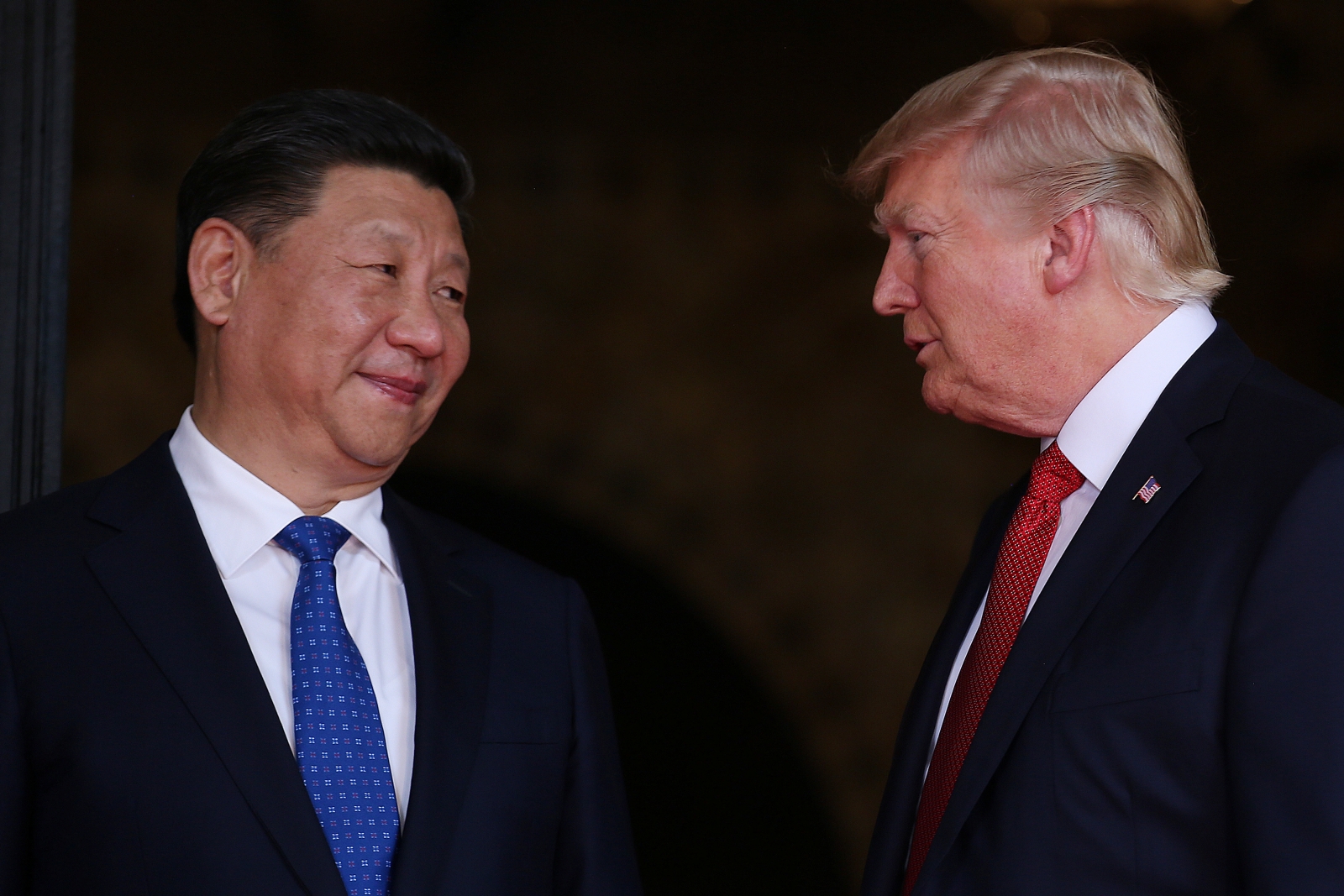
The upcoming summit between President Donald Trump and Chinese President Xi Jinping is increasingly being overshadowed by the war in Iran, which is now shaping the agenda of talks originally intended to focus on trade, tariffs, and critical minerals, according to multiple reports including CNBC and Bloomberg.
The summit had initially been expected to prioritize tariff relief, rare earth supply chains, and export controls, but officials now say Iran-related security discussions will dominate early sessions, reducing time for economic negotiations, CNBC reported.
U.S. President Donald Trump acknowledged the Iran war will be a key topic, saying this week that it would be “one subject” during his talks with Xi, while adding that the Chinese leader has been “very respectful” on the issue, according to comments reported by Bloomberg News.
Trump also said Xi has been “very nice about this,” and added, “he’s been very respectful. We haven’t been challenged by China,” in remarks made at the White House ahead of the summit, Bloomberg reported.
Former White House Asia adviser Kurt Campbell warned that the geopolitical backdrop is unusually disruptive, saying the summit takes place under “extraordinary” conditions shaped by ongoing military tensions in the Middle East, according to comments he made in interviews cited by multiple outlets.
Campbell said both leaders are likely to prioritize “strategic stability” over major breakthroughs, adding that the Iran conflict is complicating Washington’s ability to coordinate broadly with allies, according to reporting on remarks from the chairman of The Asia Group.
A senior analyst quoted in Bloomberg’s summit coverage said Chinese officials are uneasy about holding high-level economic talks while the Iran war continues to escalate, particularly given China’s exposure to Gulf energy imports.
The Iran conflict has already forced at least one postponement of the summit, according to Bloomberg reporting, after disruptions to global shipping routes and energy markets increased tensions between Washington and Beijing.
Trade issues remain formally on the agenda, including tariffs, semiconductor export restrictions, and China’s control of rare earth processing, which remains a critical supply chain concern for the United States, according to Reuters factbox reporting on the summit.
China continues to dominate global rare earth processing, a strategic sector used in defense systems, electric vehicles, and semiconductors, with U.S. officials repeatedly warning of supply-chain vulnerabilities tied to Beijing’s export leverage, Reuters has reported.
The rare earth issue has previously been central to negotiations between Trump and Xi, including earlier agreements in which Beijing signaled willingness to delay or ease restrictions on certain materials in exchange for tariff adjustments, according to historical trade reporting cited by CNBC.
White House scheduling details cited by ABC News show Trump is expected to travel to Beijing for the summit on May 14 and 15 after earlier delays tied to the worsening Iran conflict and energy market instability.
Despite expectations of limited outcomes, both sides are reportedly considering a short extension of a trade truce and narrowly defined sector deals rather than a broader agreement, Reuters and other outlets reported.
U.S. officials say the summit will likely produce symbolic stabilization measures rather than structural breakthroughs, as both governments remain divided over tariffs, export controls, and geopolitical alignments.
Even as trade talks stall, China remains a major importer of Iranian energy, a factor that U.S. officials say will complicate Beijing’s role in any potential coordination on the Middle East conflict, according to The Washington Post.
Leave a Reply