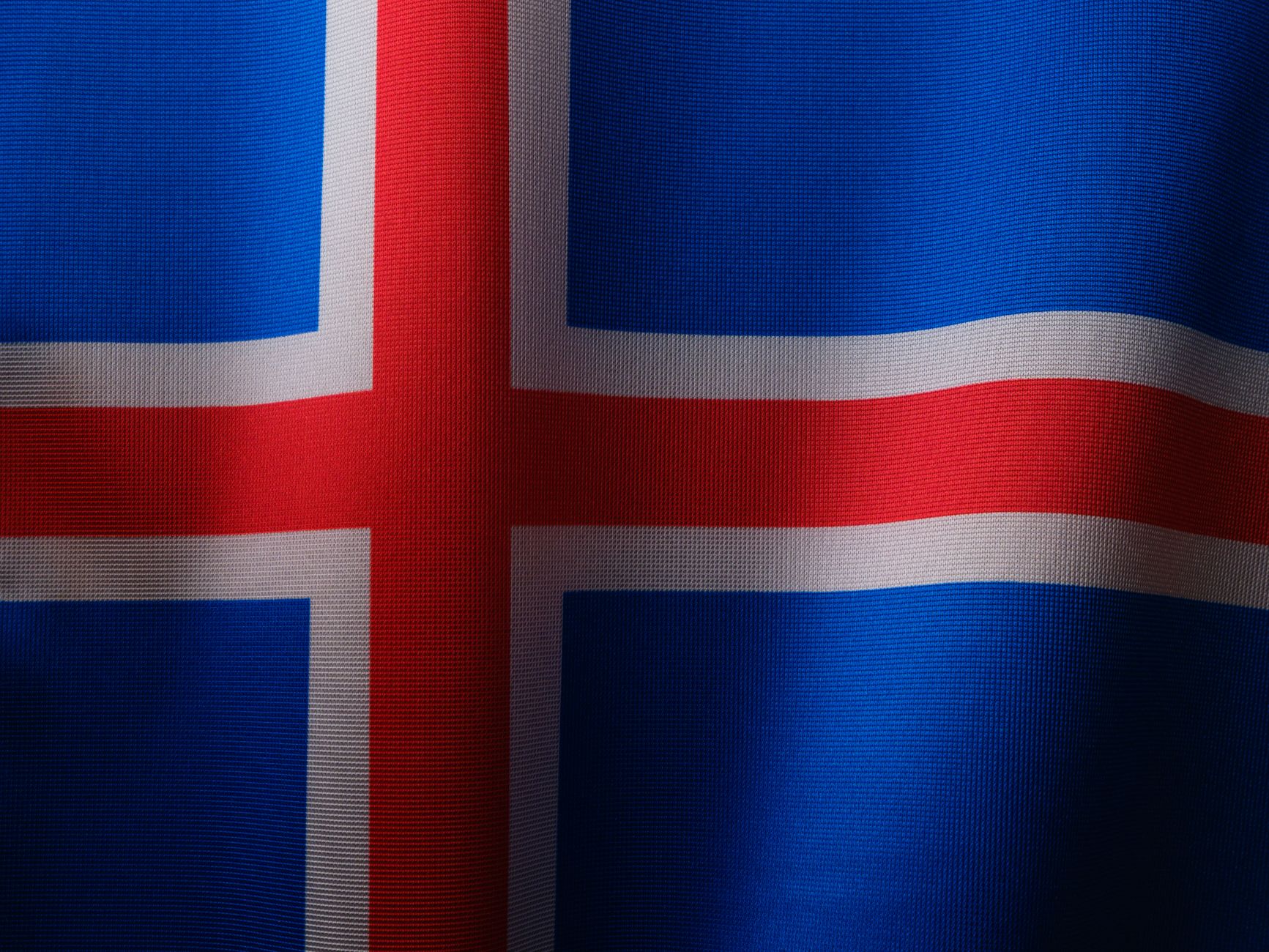
Rental Market Expands as More Young Icelanders Leave Family Homes
More young Icelanders are moving out of their family homes and entering the rental market, according to recent housing data highlighting changes in living patterns across the country.
The trend reflects growing pressure on Iceland’s housing sector, where rising property prices, limited supply, and changing economic conditions have made home ownership increasingly difficult for many younger residents.
Reykjavík and surrounding communities have experienced particularly strong demand for rental properties, as students, workers, and young families seek more flexible housing options.
Housing analysts say the situation mirrors developments across much of Europe, where younger generations are delaying home purchases because of higher costs, stricter lending conditions, and changing employment patterns.
The expansion of the rental market has increased calls for more affordable housing construction and stronger long-term planning to ensure that residents can access stable accommodation.
Reykjavík Police Respond to Serious Assault and Weapons Cases
Reykjavík police have dealt with several serious incidents involving violence and weapons, prompting renewed discussions about public safety and policing resources.
Although Iceland remains one of the safest countries in the world, recent incidents have attracted public attention and raised questions about how authorities should respond to changing patterns of crime.
Police officials have emphasised the importance of community cooperation, encouraging residents to report suspicious activity and support efforts to prevent violence.
Authorities continue to focus on maintaining Iceland’s traditionally low crime levels while ensuring that law enforcement has the resources needed to address serious cases.
The incidents have sparked wider conversations about youth violence, social pressures, and measures needed to preserve public safety.
Reykjavík Experiences Exceptionally Wet Start to July
Reykjavík has recorded an unusually rainy beginning to July, with precipitation levels reaching some of the highest figures recorded for the early part of the month.
The wet conditions have affected outdoor activities, tourism plans, and local events, although Iceland’s weather is known for rapid changes and unpredictable conditions.
Meteorologists continue to monitor changing weather patterns, with climate change increasingly influencing discussions about rainfall, temperature shifts, and extreme weather events.
The heavy rainfall has also highlighted the importance of infrastructure improvements, including drainage systems and climate adaptation measures in urban areas.
Iceland Maintains Position as World’s Most Peaceful Country
Iceland has once again retained its position as the world’s most peaceful country, continuing a long-running record at the top of international peace rankings.
The country’s strong performance is linked to its low crime rate, political stability, social trust, and limited militarisation. Iceland is a member of NATO but does not maintain a conventional standing army.
National security is supported through cooperation with international allies, the Icelandic Coast Guard, and specialised police units.
The continued recognition has strengthened Iceland’s reputation as a safe and stable society, attracting international attention from visitors, investors, and researchers.
EU Membership Debate Intensifies Ahead of Referendum
Political discussions are intensifying in Iceland ahead of a planned referendum on whether the country should restart negotiations on European Union membership.
The issue has become one of the most significant political debates in Iceland in recent years, with supporters and opponents presenting competing visions for the country’s future.
Supporters argue that reopening negotiations could strengthen Iceland’s economic and political position, improve cooperation with European partners, and provide new opportunities in an uncertain global economy.
Opponents argue that closer integration with the EU could affect Iceland’s control over key national interests, particularly fisheries, agriculture, and economic decision-making.
The referendum would determine whether talks should resume rather than decide immediate membership. Any future accession would require additional negotiations and a separate decision.
Rising Food Prices Continue to Pressure Households
The cost of living remains a major concern for Icelandic families, with food prices continuing to place pressure on household budgets.
Iceland’s geographic location, dependence on imported goods, transportation costs, and market structure have contributed to higher consumer prices compared with many European countries.
The government and economic authorities face increasing pressure to examine ways to improve competition, reduce costs, and protect consumers from continued inflationary pressures.
Alongside housing expenses, food prices remain among the most important economic issues influencing public debate.
Tourism Growth Brings New Environmental Challenges
Iceland continues to experience strong international interest because of its unique landscapes, including glaciers, volcanoes, geothermal areas, and natural attractions.
However, growing visitor numbers have increased discussions about protecting fragile ecosystems while ensuring that tourism remains economically beneficial.
Authorities are examining how to balance tourism expansion with environmental protection, infrastructure development, and the preservation of Iceland’s natural resources.
Climate concerns are also becoming increasingly important because Iceland’s economy depends heavily on fisheries, renewable energy, and natural environments.
Climate Change and Ocean Risks Remain Long-Term Concerns
Scientists and policymakers continue to monitor the effects of climate change on Iceland’s environment, economy, and natural systems.
Changes in ocean conditions, weather patterns, and ecosystems could have significant consequences for fisheries, energy production, and coastal communities.
Researchers have highlighted the importance of preparing for potential shifts in the North Atlantic environment, particularly because Iceland’s economy and society are closely connected to marine resources.
Climate adaptation remains a major priority as the country seeks to protect its environment while maintaining economic resilience.
Summary
Iceland’s latest developments reflect a country balancing economic pressures with its reputation for stability and environmental leadership.
Housing affordability, rising living costs, public safety, and the future relationship with the European Union remain central domestic issues. At the same time, Iceland continues to benefit from its global reputation as one of the world’s safest countries and a leader in renewable energy and climate discussions.
As the country prepares for important political decisions and faces growing environmental challenges, policymakers and citizens are focused on maintaining Iceland’s social stability while adapting to a changing world.
Leave a Reply