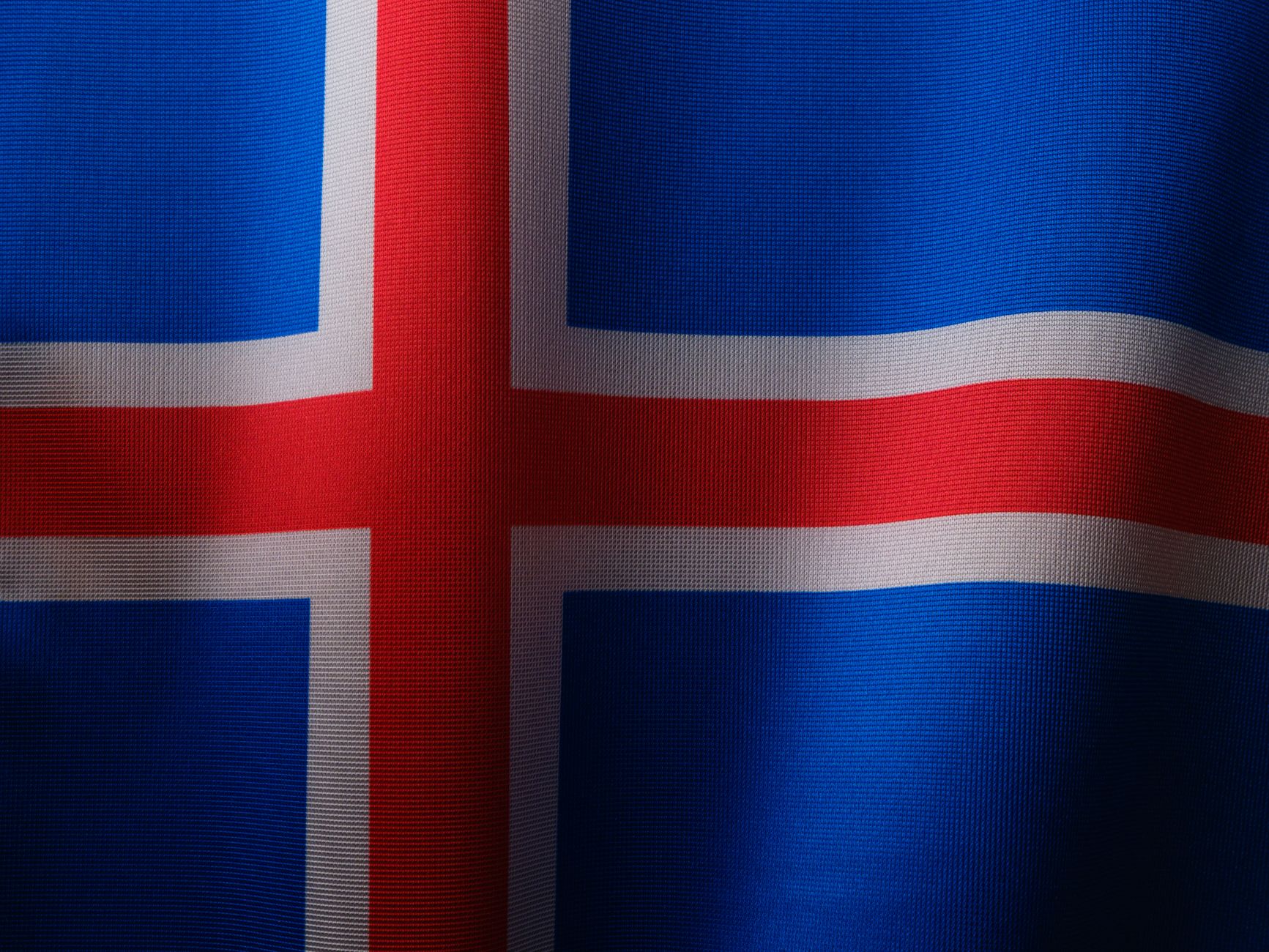
Iceland government rules out restarting EU accession talks
The political consequences of Iceland’s referendum on European Union accession dominated the country’s news on Monday after voters rejected a proposal to resume membership negotiations.
Final results showed that 52.8 percent voted against restarting the negotiations, while 47.2 percent voted in favour. Turnout was high, at approximately 82.5 percent of eligible voters. The referendum was advisory rather than legally binding, meaning it did not itself change Iceland’s existing treaties or relationship with the European Union.
The government has now said it will not restart EU accession negotiations during its current term following the result. Iceland will consequently retain its existing relationship with the EU through the European Economic Area and the Schengen arrangements.
Prime Minister Kristrún Frostadóttir said the result demonstrated that many Icelanders were comfortable with the country’s current relationship with Europe. The referendum had become a major national debate involving sovereignty, fisheries, agriculture, economic security and Iceland’s future relationship with Europe.
The result represents a significant political setback for those who wanted Iceland to reopen negotiations that had been suspended in 2013.
Iceland looks beyond the EU for stronger security partnerships
The referendum result has also triggered renewed discussion about Iceland’s national security arrangements.
Foreign Minister Þorgerður Katrín Gunnarsdóttir said Iceland needs to explore additional ways of strengthening its security after voters rejected reopening EU accession negotiations. According to Reuters, the government is considering stronger bilateral cooperation with countries including Finland, Norway, Japan and Canada.
Iceland is a member of NATO but has no standing military, relying heavily on international cooperation for its defence. The country also has a longstanding defence agreement with the United States dating back to 1951.
The security debate has become more prominent because of changing geopolitical conditions in Europe and the North Atlantic. Iceland’s strategic location gives it particular importance for North Atlantic security, maritime surveillance and NATO’s northern defence infrastructure.
Gunnarsdóttir stressed that rejecting EU negotiations does not mean Iceland intends to distance itself from Europe. Existing cooperation with the European Union remains important, particularly through the EEA.
United States reaffirms Iceland as a close NATO ally
Washington has moved quickly to reassure Reykjavík following the referendum.
The United States said Iceland remains an important NATO ally and a close partner of both the United States and Europe, according to reporting from Morgunblaðið on Monday.
The statement is significant because the referendum campaign included extensive discussion about Iceland’s future security arrangements.
Iceland’s strategic location between North America and Europe has long made it important to NATO. Although the country does not maintain its own standing army, it contributes to collective security through its NATO membership and other international arrangements.
The latest American reassurance therefore comes as Iceland considers whether its existing security partnerships are sufficient in an increasingly uncertain international environment.
EU referendum exposes a divided Iceland
Although the final result was relatively clear, the referendum revealed a country divided over its future relationship with the European Union.
The campaign was particularly contentious over fisheries, agriculture, sovereignty and the potential economic consequences of membership. Opponents argued that Iceland could retain access to the European single market through the EEA without surrendering control over areas considered strategically important to the country.
Supporters of reopening talks argued that Iceland should at least examine the terms of possible membership before allowing voters to make a final decision.
The narrow difference between the two sides — just 5.6 percentage points — means the EU question is unlikely to disappear completely from Icelandic political debate, even though the government has now ruled out reopening negotiations during its term.
Grindavík Ultra cancelled after police object to race route
In a separate domestic development, organisers have cancelled the Grindavík Ultra trail race that had been scheduled for September 5.
Iceland Review reported Monday that approximately 100 runners had registered for the event. Organisers said they had spent months working with emergency responders but were ultimately unable to secure final approval for part of the proposed course.
The disagreement reportedly concerns the use of protective barriers around Grindavík. Police objected to race traffic using the barriers because ownership of them remains unclear.
The organisers have said participants will receive refunds.
The cancellation highlights the unusual logistical and safety challenges involved in organising activities around Grindavík, where volcanic and geological hazards have required extensive protective infrastructure and continuing restrictions.
Government faces new security debate after referendum
The EU referendum is also prompting Icelandic political leaders to reconsider how the country should approach national security.
Because Iceland does not have its own standing army, its security strategy depends heavily on NATO, the United States and cooperation with European and other friendly states. The foreign minister’s comments about possible new bilateral arrangements therefore represent an important development in Iceland’s foreign policy.
The issue is likely to remain prominent as Iceland examines how to protect its interests in the North Atlantic while maintaining its existing economic relationship with Europe.
The government is expected to continue working closely with the EU despite the referendum result because Iceland remains deeply integrated into European economic and travel systems.
Tourism and cultural activities continue as summer season winds down
While politics dominated the national headlines, Iceland’s cultural and tourism sectors are continuing to operate as the summer season moves toward autumn.
Iceland Review reported Monday on a range of cultural activities taking place around Reykjavík and neighbouring communities, including cosplay events and a Freddie Mercury tribute.
The end of August traditionally marks an important transition for Iceland’s tourism industry. Visitor activity remains significant, but the country is moving toward the autumn period, when daylight hours become shorter and weather conditions become increasingly changeable.
Tourism remains an important part of Iceland’s economy, with regional destinations continuing to seek ways to attract visitors beyond the busiest summer months.
Iceland’s relationship with Europe remains unchanged for now
Despite the referendum result, Iceland’s fundamental relationship with Europe has not suddenly changed.
The country remains part of the European Economic Area, giving it access to the EU single market, and remains part of the Schengen Area. The referendum concerned whether negotiations should be resumed, rather than whether Iceland should immediately leave its existing European arrangements.
This distinction is important. A “No” vote did not mean Iceland was withdrawing from European economic cooperation. Instead, voters rejected reopening the process that could eventually have led to full EU membership.
The government’s decision not to reopen talks during its current term now gives the country a period of political certainty on the issue.
What to watch next in Iceland
The immediate focus will be on how the government responds to the referendum result, particularly regarding security and foreign policy.
The question of whether Iceland should deepen bilateral security cooperation with countries such as Norway, Finland, Canada and Japan could become increasingly important. At the same time, the government will need to maintain its close economic relationship with the EU despite the rejection of renewed accession negotiations.
The result also leaves Iceland with a clear but complicated position: outside the European Union, closely integrated with the European economy, protected through NATO, and increasingly interested in strengthening bilateral security relationships beyond its traditional partnerships.
For now, Monday’s news marks the beginning of the post-referendum phase. Icelanders have rejected reopening EU membership talks, but the country’s wider relationship with Europe — economically, politically and strategically — remains firmly in place.
Leave a Reply