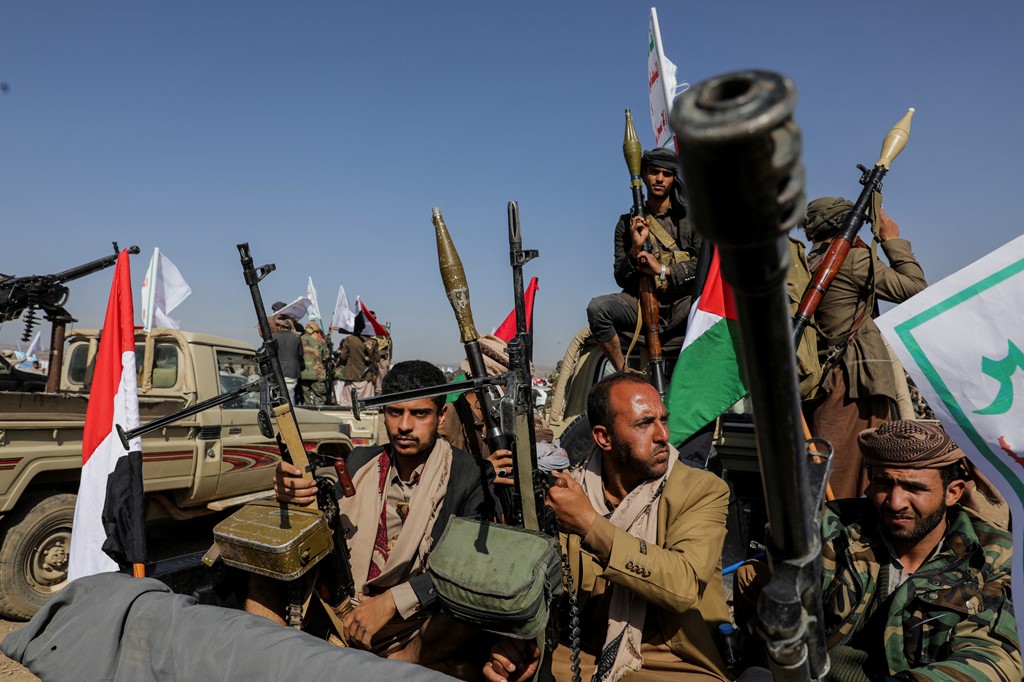
Attacks mark first confirmed operation by Yemeni group from third-country soil, targeting energy infrastructure amid widening regional conflict
RIYADH — Yemen’s Houthi rebels have launched attacks on Saudi Arabia from Iraqi territory this week, marking the first time the group has been confirmed to have struck from a third country and signaling a significant escalation in coordination among Iran-backed armed factions across the region.
The attacks, which took place on July 29 and 30, targeted Saudi energy infrastructure and were carried out in coordination with Iraqi armed groups, according to assessments by Saudi and regional partners. Since February 2026, attacks originating from Iraq have reportedly been executed by Houthi experts operating drones and missiles with the support of pro-Iranian militias in the country.
Energy Infrastructure Targeted
The strikes caused damage to major Saudi oil facilities and temporarily forced the closure of a refinery in the Red Sea, according to Gulf officials. The attacks also targeted facilities used by Iran-backed militias responsible for striking US forces in the region. While the full extent of the damage has not been disclosed, the incidents have raised alarm over the vulnerability of Saudi Arabia’s critical energy infrastructure to coordinated cross-border operations.
Houthi Presence in Iraq
The Houthi presence in Iraq is not new. In 2024, Houthi leader Abdul-Malik al-Houthi announced the establishment of a joint operations room between the group and Iraqi factions. In recent years, the Houthis have reorganised their deployment in Iraq, moving public offices out of Baghdad to safer areas in Babylon province. A Houthi commander, Mohammed Khalid al-Ayashi, was reportedly killed in a raid in Iraq alongside four Iranian Revolutionary Guard advisers.
Wider Regional Context
The attacks come amid ongoing US-Iran tensions and continued conflict in the region. US and Saudi warplanes have recently struck Iran-backed militia targets in Iraq, killing dozens and raising fears of a wider regional war. Meanwhile, the Houthis have claimed to have forced a Saudi oil tanker to turn back as part of their blockade operations against the kingdom.
The escalation has contributed to a sharp rise in global crude oil prices, further destabilising energy markets already under strain from the closure of the Strait of Hormuz amid the US-Iran war. The Houthi attacks from Iraqi soil represent a new and dangerous dimension to the conflict, demonstrating the ability of Iran-aligned groups to coordinate operations across national borders and threaten Gulf states from multiple fronts.
Leave a Reply