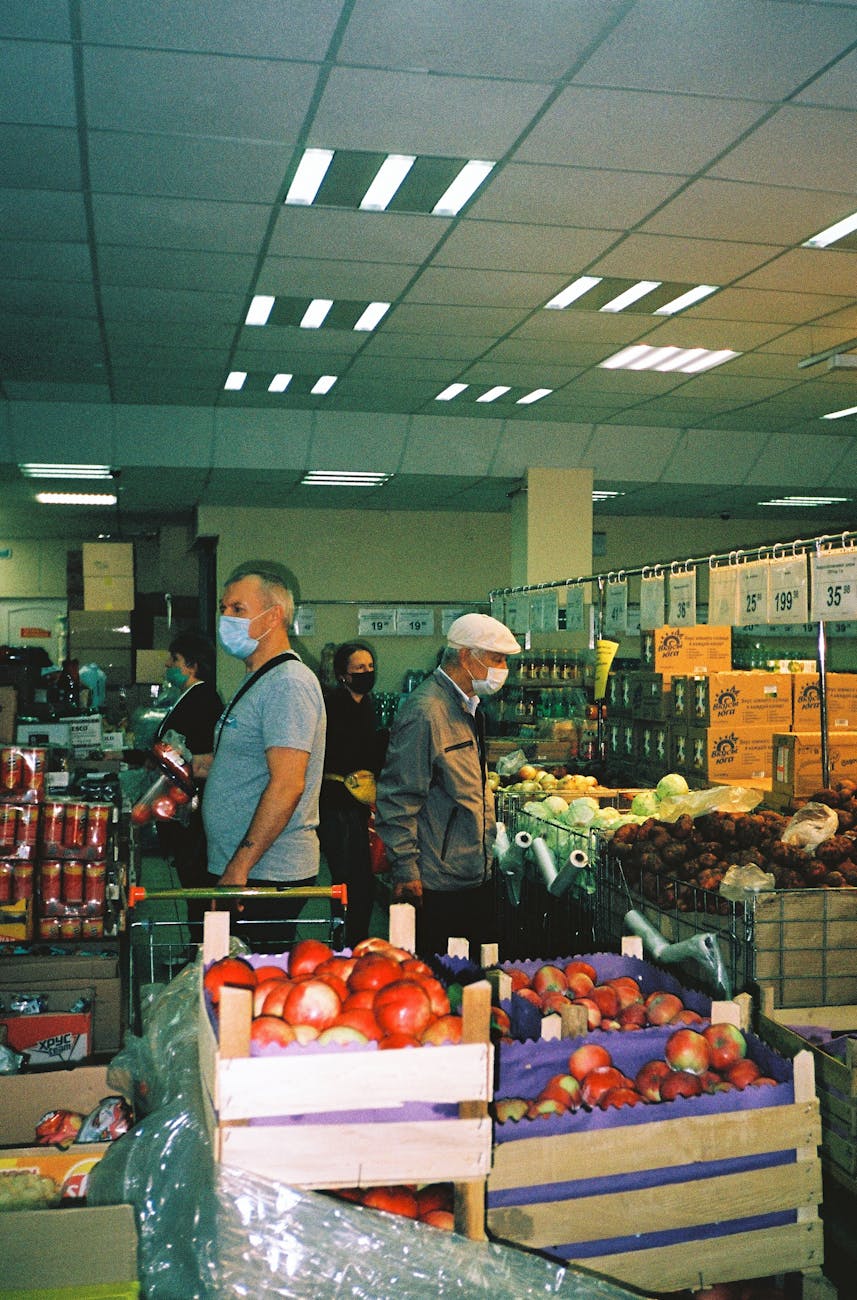
Food safety is intrinsically linked to public health because the quality and safety of food consumed directly influence population health outcomes. Contamination of food with pesticide residues represents one of the most significant chemical food safety challenges globally. The cases are higher in low- and middle-income countries where regulatory oversight and surveillance systems are often weak. Pesticide residues in food also pose both acute and chronic health risks, depending on certain factors like (a) the toxicity of the chemical involved (b) the level and frequency of exposure, and (c) the vulnerability of the exposed population (WHO, 2022a).
Acute exposure to pesticides typically occurs when individuals consume food containing high levels of residues or are exposed occupationally during pesticide handling and application. Acute pesticide poisoning can manifest through symptoms such as nausea, vomiting, abdominal pain, dizziness, headaches, skin and eye irritation, respiratory distress, and, in severe cases, convulsions or death. According to UNEP (2022), organophosphates and carbamates, which are still commonly used in Nigerian agriculture, are particularly associated with acute neurotoxic effects due to their inhibition of acetylcholinesterase activity. Acute poisoning events are, however, more frequently reported among farmers and pesticide applicators. Yet consumers may also experience acute symptoms following the ingestion of highly contaminated food.
Chronic exposure to low levels of pesticide residues through regular dietary intake is an even greater public health concern because its effects are often subtle, cumulative, and difficult to detect. Long-term exposure has been linked to endocrine disruption, immunotoxicity, developmental abnormalities, neurobehavioural disorders, reproductive health problems, and increased risks of certain cancers, including non-Hodgkin lymphoma and breast cancer, according to reports from European Food Safety Authority (EFSA) (2023) and WHO (2022b). Vulnerable population groups (such as children, pregnant women, the elderly, and individuals with pre-existing health conditions) are particularly susceptible to the adverse effects of chronic pesticide exposure.
In the Nigerian context, food safety risks associated with pesticide residues are exacerbated by systemic weaknesses in food safety governance and public health infrastructure. Surveillance systems for foodborne chemical hazards, however, remain underdeveloped. Routine monitoring of pesticide residues in food is also limited in scope and geographic coverage. While agencies such as NAFDAC and research institutions conduct periodic residue analyses, these efforts are insufficient to provide a comprehensive national picture of consumer exposure (NAFDAC, 2023). As a result, cases of pesticide-related illness are widely underreported.
Underreporting of pesticide poisoning in Nigeria is driven by several factors. First, many health facilities lack the diagnostic capacity to identify pesticide exposure as the underlying cause of illness, particularly in rural areas. Symptoms of pesticide poisoning often mimic those of other common illnesses like malaria or gastrointestinal infections, leading to misdiagnosis. Second, weak health information systems and limited toxicological expertise hinder accurate documentation and reporting of pesticide-related health events (PAN Nigeria, 2022). Third, affected individuals may not seek formal medical care due to cost barriers, cultural beliefs, or reliance on self-medication.
Empirical studies and hospital-based assessments, however, suggest that pesticide exposure represents a significant yet underestimated public health burden in Nigeria. Research among farming communities has also documented frequent self-reported symptoms consistent with pesticide poisoning, including headaches, dizziness, skin rashes, and respiratory problems (Olatunji et al, 2021; Adeyeye et al, 2021). Beyond occupational exposure, consumers are also at risk through dietary intake, particularly given evidence of pesticide residues exceeding recommended Maximum Residue Limits in commonly consumed foods such as tomatoes, peppers, grains, and leafy vegetables (Akinneye et al, 2021; Sosan et al, 2023).
Consumers are uniquely vulnerable to pesticide-related food safety risks because they have limited control over production practices and often lack access to credible information about how their food is grown. Unlike farmers, consumers cannot directly influence pesticide application rates, chemical selection, or compliance with pre-harvest intervals. In Nigeria’s largely informal food system, traceability is minimal, and labelling rarely provides information about pesticide use. Consequently, as Okoye et al (2022) noted, consumers must rely on trust (either in farmers, vendors, or regulatory authorities) when purchasing food.
Public health concerns related to pesticide use intersect strongly with broader socio-economic challenges, particularly food insecurity and poverty. Nigeria faces persistent food insecurity, driven by factors such as inflation, conflict, climate change, and supply chain disruptions. According to FAO (2023), a significant proportion of Nigerian households experience moderate to severe food insecurity, limiting their ability to prioritise food safety over affordability and availability. For low-income households, the immediate need to secure sufficient food often outweighs concerns about potential long-term health risks associated with pesticide residues. This economic reality creates a paradox in food safety behaviour. While consumers may express concern about pesticide contamination, these concerns do not always translate into safer food choices. Studies have shown that Nigerian consumers frequently prioritise price, freshness, and visual appearance over safety attributes when purchasing food, even when they are aware of potential risks (Bello et al, 2024a). This disconnect highlights the importance of understanding food safety not only as a technical or regulatory issue but also as a social and behavioural one.
Media coverage and public discourse further shape public health concerns related to pesticide use. Reports of food poisoning incidents, accidental pesticide ingestion, and the presence of banned chemicals in food products have heightened public anxiety and mistrust in food systems. However, media reporting is often episodic and sensational, focusing on extreme cases rather than providing consistent, evidence-based risk communication. This can lead to exaggerated fears, misinformation, or fatalistic attitudes among consumers who may feel powerless to protect themselves from food safety risks (FAO & WHO, 2023).
The public health implications of pesticide-contaminated food extend beyond individual health outcomes to broader societal costs. Factors such as increased healthcare expenditures, reduced productivity due to illness, and long-term impacts on child development impose significant economic burdens on households and the national health system. Chronic health effects associated with pesticide exposure may also exacerbate existing health inequalities, disproportionately affecting rural populations and low-income urban consumers who rely heavily on informal food markets (UNEP, 2022).
From a policy perspective, addressing food safety and public health concerns related to pesticide use requires an integrated approach that combines (a) regulatory enforcement (b) health surveillance (c) agricultural extension, and (d) consumer education. Therefore, strengthening residue monitoring systems, improving diagnostic capacity for pesticide poisoning, and enhancing inter-sectoral collaboration between agricultural and health authorities are critical steps toward reducing health risks. Equally important is effective risk communication that empowers consumers with accurate information and promotes informed food choices without inducing unnecessary panic.
On this backdrop, understanding how the public perceives food safety risks associated with pesticide use is central to effective public health intervention as risk perception influences how individuals interpret information, assess personal vulnerability, and decide whether to adopt protective behaviours. In contexts such as Nigeria, where structural constraints limit consumer choice, perception also shapes trust in institutions and acceptance of regulatory measures (Slovic, 2021). By examining public perceptions alongside objective health risks, this study seeks to bridge the gap between scientific evidence and lived experience.
In summary, pesticide residues in food represent a significant public health concern in Nigeria, with both acute and chronic health implications. Weak surveillance systems, underreporting of poisoning cases, socio-economic constraints, and limited consumer control over food production practices intensify these risks. These challenges underscore the need for a deeper understanding of food safety that incorporates public health evidence, socio-economic realities, and public perception.
Leave a Reply