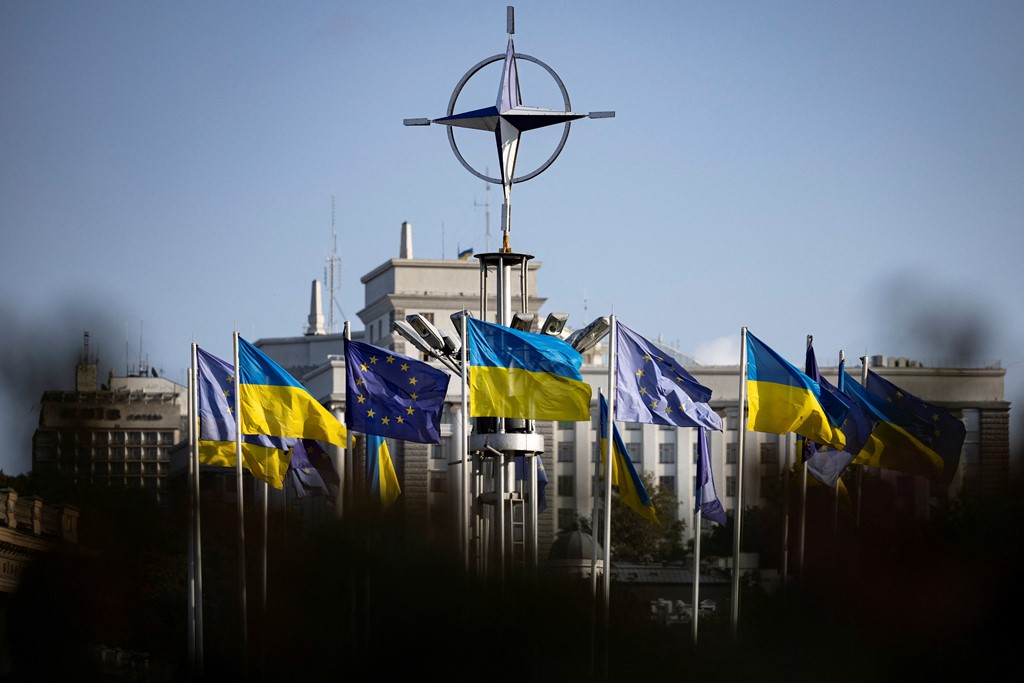
In a recent session at the United Nations Security Council, tensions ran high as diplomats engaged in a passionate debate regarding the provision of arms to Ukraine in the midst of its prolonged conflict with Russia.
The eleventh meeting on this critical matter since Russia’s invasion in February 2022 sparked sharp criticisms from multiple speakers, who accused Moscow of deflecting attention from its own aggressive actions.
Amidst conflicting perspectives presented by various briefers and delegates, Ann Wright, a member of the antiwar group CODEPINK, stood out with a distinct viewpoint. A retired United States Army colonel and former diplomat, Wright, presented herself as a concerned citizen and taxpayer, having resigned from the U.S. Government in 2003 in protest against the Iraq War.
Wright underscored her opposition to the ongoing supply of weapons, arguing that it only serves to prolong conflicts. Despite the United States and its European allies providing tens of billions of dollars in aid to support Ukraine over the past two years, she contended that fueling conflicts with substantial amounts of weapons ultimately benefits corporations and politicians rather than the innocent civilians caught in the crossfire. This position aligns with the stance of antiwar groups like CODEPINK since the inception of the deadly conflict.
Drawing parallels with historical conflicts, such as the Korean War, which required 575 meetings before reaching a ceasefire agreement, Wright highlighted the protracted nature of conflict resolution. She emphasized the devastating toll on human lives during U.S.-funded wars, referencing significant casualties in the Korean War.
Expressing concern about the lack of diplomacy and an apparent effort to hinder negotiations, Wright referenced reports that Washington, D.C., and London had pressured the Ukrainian Government to avoid peace talks with Russia. She stressed the importance of preserving diplomatic efforts and preventing the further supply of weapons, which she argued hampers the possibility of achieving lasting peace.
In a poignant conclusion, Mary Ann Wright shared a poem depicting a plea in Gaza for children’s names to be written on their legs for identification in the event of death due to Israeli bombings. While specifically referencing Gaza, she asserted that the sentiment applies universally to children in conflict zones, including Ukraine, Russia, Palestine, or Yemen.
As the Security Council grapples with the complexities of arms transfers and their impact on international peace and security, Wright’s testimony emphasizes the need to address the root causes of conflicts and pursue meaningful resolutions. She contends that this is not a complex issue nor should it be a matter of debate; in her view, more weapons only contribute to more war and hinder the prospects of achieving lasting peace.
Watch video here: Col. (ret) Ann Wright Challenges Weapons Transfers to Ukraine & Israel at UN Security Council (youtube.com)
Leave a Reply