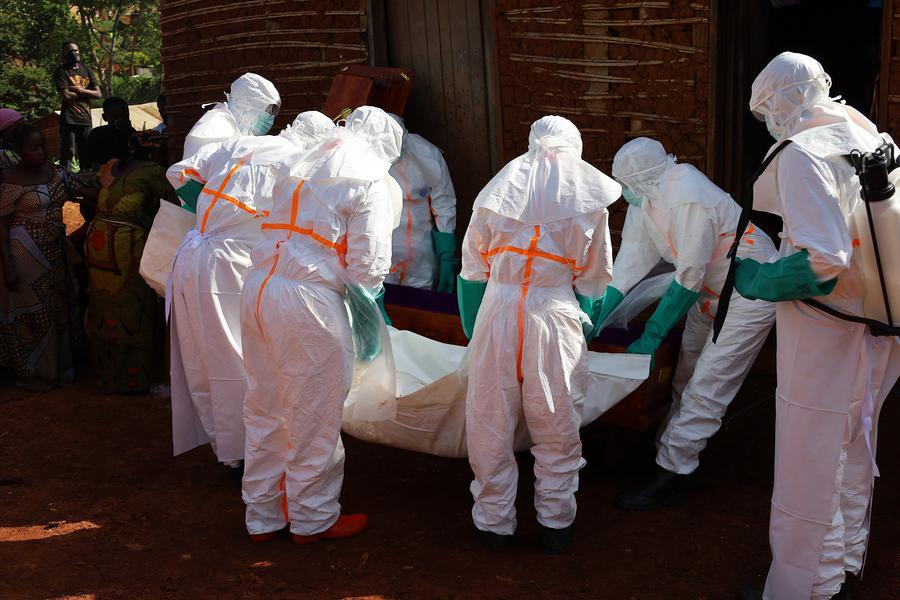
The Nigeria Centre for Disease Control and Prevention (NCDC) has placed the country on high alert following the ongoing Ebola Virus Disease (EVD) outbreak in the Democratic Republic of Congo (DRC).
The agency issued an interim public health advisory as part of measures to strengthen Nigeria’s preparedness and prevent the possible importation and spread of the disease.
The advisory was signed by the NCDC Director-General, Jide Idris, following a dynamic risk assessment and consultations with public health experts and the Federal Ministry of Health and Social Welfare.
The NCDC said all necessary preparatory activities were ongoing in response to the evolving situation.
“These measures will continue to be reviewed in line with the evolving epidemiological situation and public health risk assessment.”
Travellers From Affected Countries Face Enhanced Monitoring
As part of the strengthened surveillance measures, the NCDC said travellers arriving from countries with active or relevant Ebola transmission may be required to complete a Health Declaration Form.
The measure is intended to support enhanced public health surveillance and follow-up of travellers who could have been exposed to the virus.
“passengers from all other countries are exempted from completing the form at this time”.
The agency said the travel-related measures would continue to be reviewed depending on developments in the outbreak and Nigeria’s assessment of the associated public health risks.
NCDC Urges Nigerians to Remain Vigilant
The disease control agency also urged members of the public to remain alert to symptoms associated with Ebola and seek medical attention promptly where necessary.
The NCDC advised Nigerians to report relevant travel or exposure history to healthcare professionals when seeking medical care.
It specifically urged the public to “remain vigilant” as authorities continue to monitor developments in the affected region.
The agency stressed that early recognition and reporting of suspected cases are important components of an effective public health response.
Ebola Situation in the Democratic Republic of Congo
The NCDC’s advisory comes against the backdrop of a continuing Ebola outbreak in the DRC.
According to data reported by the DRC on September 20, covering information available through September 19, the country had recorded 7,672 confirmed cases and 3,699 related deaths.
A total of 886 patients were reportedly hospitalised in isolation at the time of the update.
The latest reporting period also recorded 58 additional confirmed cases and 23 deaths compared with the previous report.
The newly reported cases included 38 in Ituri, 14 in North Kivu, five in Haut-Uélé and one in Tshopo.
The outbreak involves the Bundibugyo virus, a species of Ebola virus responsible for the current outbreak in the DRC.
The World Health Organization has described the situation as serious, although it has also reported encouraging signs in some areas. In Ituri, transmission has been declining in some of the most affected areas, while South Kivu had reported no new cases since May as of the WHO’s September 16 update.
However, WHO officials warned that transmission remained active elsewhere, particularly in North Kivu, where weekly cases had increased significantly.
Nearly 80 Percent of Contacts Under Follow-Up
The DRC’s latest figures indicated that 79.9 percent of identified contacts were under follow-up in the affected provinces.
Contact tracing remains a key component of the response because people who have been exposed to confirmed cases can be monitored for symptoms and provided with appropriate care if they become ill.
The NCDC’s decision to strengthen surveillance at Nigeria’s borders reflects the importance of identifying potential imported cases as early as possible.
NCDC Says Preparations Are Underway
The Nigerian disease control agency said its response measures were based on its dynamic risk assessment and consultations with relevant public health authorities.
The organisation emphasised that preparations were already underway to ensure the country can respond effectively to any potential threat.
“These measures will continue to be reviewed in line with the evolving epidemiological situation and public health risk assessment.”
The NCDC also reaffirmed its commitment to protecting Nigerians through evidence-based surveillance, preparedness and response to public health threats.
The agency’s current position does not indicate that Nigeria has confirmed an Ebola outbreak. Rather, the high-alert status and enhanced surveillance measures are precautionary steps in response to the outbreak in the DRC and the potential risk of international spread.
Public Health Measures Remain Under Review
The NCDC said its surveillance and preparedness measures would remain subject to review as new information emerges about the Ebola outbreak.
Travellers from countries affected by active or relevant Ebola transmission may therefore face additional health monitoring and documentation requirements, while passengers arriving from other countries are currently exempt from completing the Health Declaration Form.
The agency urged Nigerians to remain attentive to public health guidance and to provide healthcare workers with accurate information about recent travel or possible exposure if they develop symptoms consistent with Ebola.
Nigeria’s response is being coordinated against the backdrop of a rapidly evolving outbreak in the DRC, where authorities and international health organisations continue to work on surveillance, case management, contact tracing and interruption of transmission.
Leave a Reply