BRUSSELS, July 18, 2026 — The European Commission has announced plans to significantly increase the use of electricity across the European economy as part of a strategy to reduce dependence on imported fossil fuels, strengthen energy security and accelerate Europe’s transition toward cleaner energy sources.
Under the new proposal, the European Union aims for electricity to account for 46 percent of final energy consumption by 2040, effectively doubling the current level, which stands at about 23 percent. The target covers key sectors including transport, buildings and industry.
Cutting Reliance on Imported Oil and Gas
The European Commission said the electrification drive is designed to reduce the bloc’s vulnerability to volatile fossil fuel markets and lower the cost of imported energy.
Officials estimate that achieving the target could reduce Europe’s fossil fuel import bill by up to €260 billion annually by 2040, as electricity replaces oil and gas in areas such as heating, transportation and industrial production.
The initiative follows renewed concerns about Europe’s dependence on external energy suppliers after international disruptions pushed oil and gas prices higher and exposed vulnerabilities in the continent’s energy system.
Electric Vehicles and Heat Pumps at the Centre
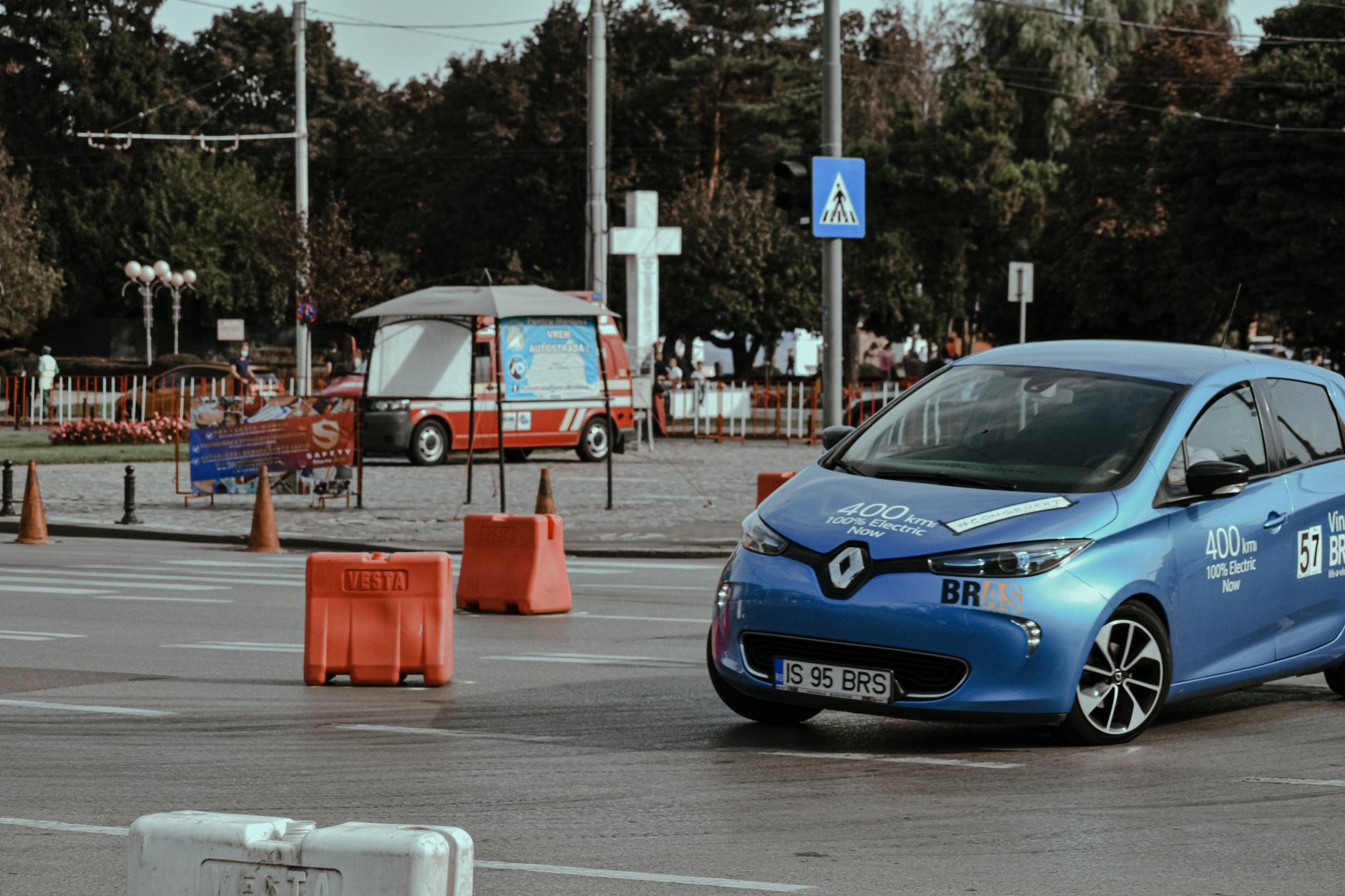
A major part of the plan involves expanding the use of electric vehicles and replacing fossil fuel-based heating systems with electric alternatives such as heat pumps.
The Commission said greater electrification of buildings could play a major role because a significant share of Europe’s gas consumption comes from heating.
The strategy also aims to encourage wider adoption of battery-powered vehicles by improving charging infrastructure and supporting cleaner transport systems.
Industry Faces Major Transformation
European industries are also expected to undergo significant changes as companies move away from fossil fuels and adopt electricity-based technologies.
The Commission believes electrification can improve Europe’s competitiveness by reducing exposure to global fuel price fluctuations and encouraging investment in clean technology manufacturing.
However, industrial groups have warned that high electricity prices remain a major challenge. Businesses argue that switching from fossil fuels will be difficult unless electricity becomes more affordable and reliable.
Electricity Tax Reforms Proposed
Brussels acknowledged that electricity is often taxed more heavily than gas in some EU countries, creating a financial barrier for households and businesses considering cleaner alternatives.
The Commission is proposing a principle that electricity should not face higher taxation than gas, while allowing member states to maintain control over their national tax systems.
Officials argue that reducing electricity costs will be essential to convincing consumers and companies to switch from fossil fuels.
Massive Investment Needed
Meeting the electrification target will require substantial investment in Europe’s energy infrastructure.
The EU will need to expand and modernise power grids, increase renewable electricity generation and improve energy storage capacity to handle rising demand.
Experts have warned that grid upgrades will be critical because existing networks were not designed for the large-scale electrification of transport, heating and industrial processes.
Supporters Welcome the Plan
Environmental groups and clean energy advocates welcomed the announcement, saying faster electrification is necessary to reduce emissions and improve Europe’s energy independence.
Supporters argue that replacing imported fossil fuels with domestically produced clean electricity would strengthen Europe’s economy while helping meet climate goals.
Energy policy experts also say electrification could create new opportunities in renewable energy, battery technology and clean manufacturing.
Critics Warn of Implementation Challenges
Despite broad support for the direction of the policy, critics have raised concerns about whether the EU can achieve such an ambitious transformation within the proposed timeframe.
High electricity prices, slow infrastructure development and differences between member states could make implementation difficult.
Some analysts argue that electrification must be combined with faster renewable energy expansion and stronger energy efficiency measures to avoid replacing fossil fuel dependence with increased pressure on electricity systems.
A New Phase in Europe’s Energy Strategy
The electrification plan represents a major shift in Europe’s approach to energy security, moving beyond simply reducing emissions toward building a more independent and resilient energy system.
Brussels says the proposal will help create a cleaner, more competitive European economy while protecting consumers and businesses from future energy shocks.
The European Commission is expected to develop further legislation and implementation measures later this year as member states begin discussions on how to achieve the 2040 target.
Leave a Reply