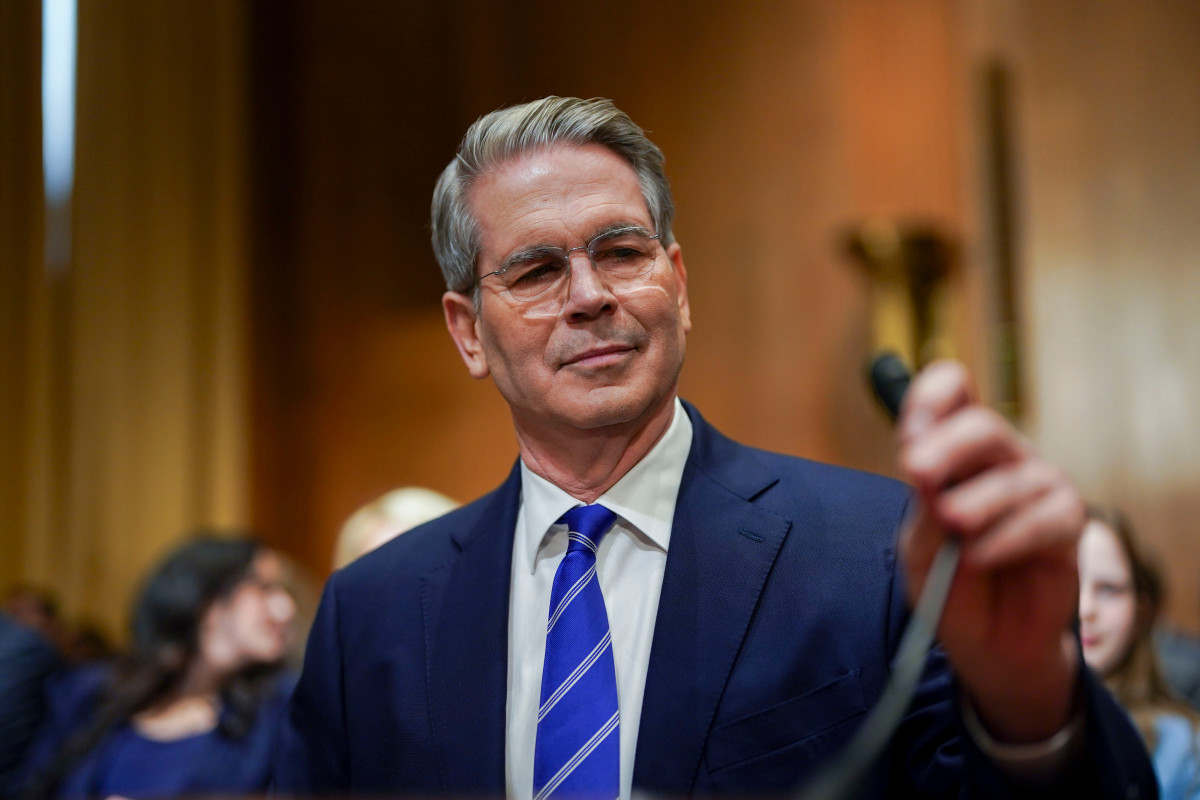
Treasury Secretary Scott Bessent stepped lightly around questions Thursday at a White House press briefing about a tentative agreement between U.S. and Iranian negotiators, telling reporters it would be “a mistake to get out ahead of the president” before President Donald Trump signs off on any deal, according to The Hill.
Bessent, who took over the briefing after Press Secretary Karoline Leavitt, repeatedly declined to confirm details of the reported memorandum of understanding first reported by Axios and later acknowledged by White House officials, according to The Hill.
“The teams have been going back and forth and President Trump has made it very clear, he talked about it at the Cabinet meeting, that he has several red lines,” Bessent said when pressed on whether an agreement with Tehran was on the table.
Bessent reiterated that Trump is demanding Iran surrender its stockpile of highly enriched uranium and permanently abandon any path toward obtaining a nuclear weapon.
He also said the administration continues to insist the Strait of Hormuz remain fully open to international shipping after weeks of turmoil in the key global energy chokepoint.
“He’s not going to take a bad deal. He’s going to make a great deal for the American people,” Bessent said.
When reporters again asked whether Washington and Tehran had reached a tentative understanding, Bessent responded that “everything depends on what the president wants to do.”
Bessent also told reporters he had not spoken with Trump before taking the podium Thursday afternoon.
U.S. officials confirmed earlier Thursday that negotiators from Washington and Tehran had reached a tentative 60-day memorandum of understanding extending the ceasefire in the Middle East and reopening the Strait of Hormuz after weeks of conflict and disruptions to commercial shipping.
During the proposed 60-day negotiating period, the two sides would attempt to negotiate limits on Iran’s nuclear enrichment program, the disposition of Tehran’s highly enriched uranium stockpile, international inspection and verification measures, and a possible phased rollback of U.S. sanctions.
Negotiators are also expected to discuss maritime security guarantees in the Strait of Hormuz, including ensuring unrestricted commercial shipping through the vital energy corridor and coordinating demining operations in the waterway.
The agreement calls for Iran to refrain from imposing tolls on commercial vessels transiting the strait and begin clearing naval mines from shipping lanes that carry roughly 20 percent of the world’s oil and gas shipments.
The tentative deal still requires approval from senior Iranian leadership.
If commercial shipping through the strait is fully restored, the United States would remove its naval blockade and issue sanctions waivers allowing Iran to resume broader oil exports.
Leave a Reply