Banks have been urged to do more to protect customers from romance scams after figures showed victims were conned out of more than £106m.
The Financial Conduct Authority said it had uncovered some missed chances by banks to prevent scams while conducting a review of romance fraud.
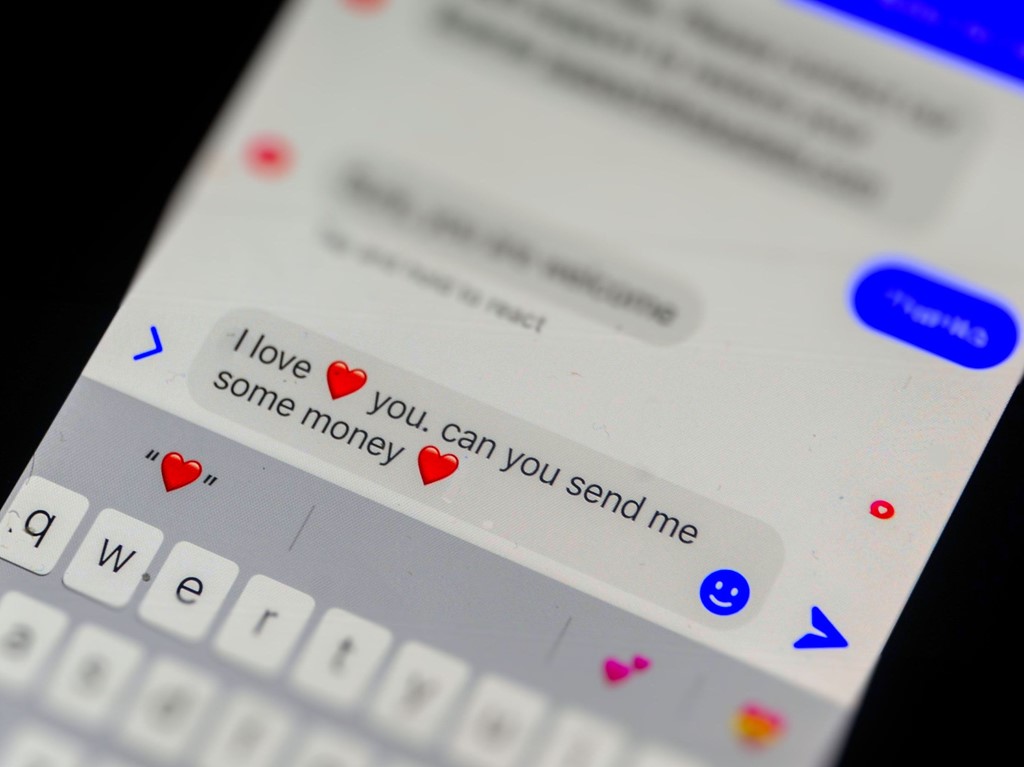
Romance scams involve tricking people into sending money to fraudsters who create false romantic relationships or friendships.
The FCA has set out measures that banks and other payment firms could take to protect their customers – such as better detection and monitoring systems, staff training, early identification of signs of vulnerability, and compassionate aftercare.
Firms can have difficulty stepping in because victims may be reluctant to accept they are being defrauded, it said, noting that it did find positive examples of banks helping customers.
How much are people losing?
In one case, someone made 403 payments to a fraudster over a year, resulting in losses of more than £72,000.
Another case involved a victim telling bank staff they intended to send cryptocurrency payments to Iraq, claiming it was the only method accepted by their “partner” in the military.
Losses in confirmed romance fraud cases assessed by the FCA ranged from £100 to £428,249.
City of London Police figures suggest more than £106m was reported lost to romance fraud in the UK in the 2024/25 financial year.
Some banks are doing the right thing…
The FCA said it saw positive examples of banks and payment firms going above and beyond. In one example, a firm made 11 calls over a six-week period to support a victim.
Another responded with care to a victim who had recently divorced and was supporting a child undergoing cancer treatment, it said. They proceeded to closely monitor the victim’s account.
The red flags to look out for
Alarm bells should ring if a person you have only dealt with online asks for money or suggests investments.
Asking for lots of personal information is another potential warning sign.
People can use image checkers to see if the photo of the person they believe they are talking to has been taken from elsewhere.
Victims should report scams to the police and their bank or building society.
Speaking to the account provider as soon as possible may help to claw back any losses and prevent further payments from going out.
Leave a Reply