Thailand entered the second week of May facing a defining political, economic, and diplomatic moment. From the release of former Prime Minister Thaksin Shinawatra to major foreign investment announcements, tourism concerns, and efforts to stabilize regional relations with Cambodia, the country’s headlines reflected a nation balancing recovery, uncertainty, and ambition.
The day’s developments reveal how Thailand is navigating competing pressures: political realignment after recent elections, global economic instability, slowing tourism revenues, rising living costs, and the need to reassure investors ahead of major international events later this year.
Thaksin Shinawatra Released From Prison
The dominant story across Thai newspapers and broadcasters today was the release of former Prime Minister Thaksin Shinawatra after serving part of a reduced prison sentence linked to corruption and abuse-of-power cases.
Thaksin, one of the most influential and polarizing figures in modern Thai politics, walked free on parole after months in detention. Supporters gathered outside prison facilities and his Bangkok residence, celebrating the return of a politician who has shaped Thai politics for more than two decades. (Reuters)
According to reports from Reuters and the Associated Press, the 76-year-old former leader will remain under supervision and electronic monitoring until the end of his sentence later this year. Authorities granted parole due to age, health concerns, and good behavior. (Reuters)
The political significance of the release goes beyond the legal process itself. Thaksin’s influence over Thai politics has persisted despite years in self-imposed exile, military coups, party dissolutions, and legal battles. His political network helped define the populist movement that dominated rural Thailand for years.
However, the political environment of 2026 is very different from the era in which Thaksin first rose to power. The latest elections reshaped the political landscape, and the once-dominant Pheu Thai movement has struggled to regain its former strength. Analysts quoted in Thai media warned that any direct return by Thaksin to frontline politics could reignite tensions in a country still divided by years of political conflict. (Reuters)
For many Thais, today’s release symbolized the closing of one chapter in Thai politics while raising questions about what comes next.
Thailand Pushes Massive Investment Drive
Economic headlines were equally significant today as the Thai government continued promoting Thailand as a regional investment and technology hub.
Thailand’s Board of Investment recently approved six large-scale investment projects worth more than 958 billion baht, equivalent to nearly $29 billion. The largest component came from a massive infrastructure commitment connected to TikTok’s parent company, ByteDance, aimed at expanding data processing and digital infrastructure across Thailand. (Reuters)
The projects are expected to strengthen Thailand’s ambitions to become Southeast Asia’s digital infrastructure center. Authorities say the investments will support cloud computing, artificial intelligence services, data storage, and regional digital operations.
Government officials also emphasized that the country is accelerating power infrastructure upgrades to support electricity-intensive industries and future technology investments. The administration has promoted a “FastPass” approval system intended to speed up approvals for strategic projects. (nationthailand)
Thailand’s economy has struggled in recent years with slow growth, political instability, household debt, and uneven tourism recovery. Foreign direct investment is therefore viewed as essential to boosting employment and restoring investor confidence.
Finance officials have repeatedly argued that Thailand must modernize infrastructure and move beyond dependence on tourism and manufacturing alone. Recent global economic disruptions, including energy price volatility and regional geopolitical tensions, have intensified pressure on the government to diversify economic growth. (Reuters)
The investment announcements were welcomed by business groups, though economists cautioned that implementation and political stability will determine whether the projects produce long-term benefits.
Government Approves Emergency Borrowing Plan
Another major economic development involved the Thai cabinet’s approval of a massive emergency borrowing package worth approximately 400 billion baht, or $12.2 billion.
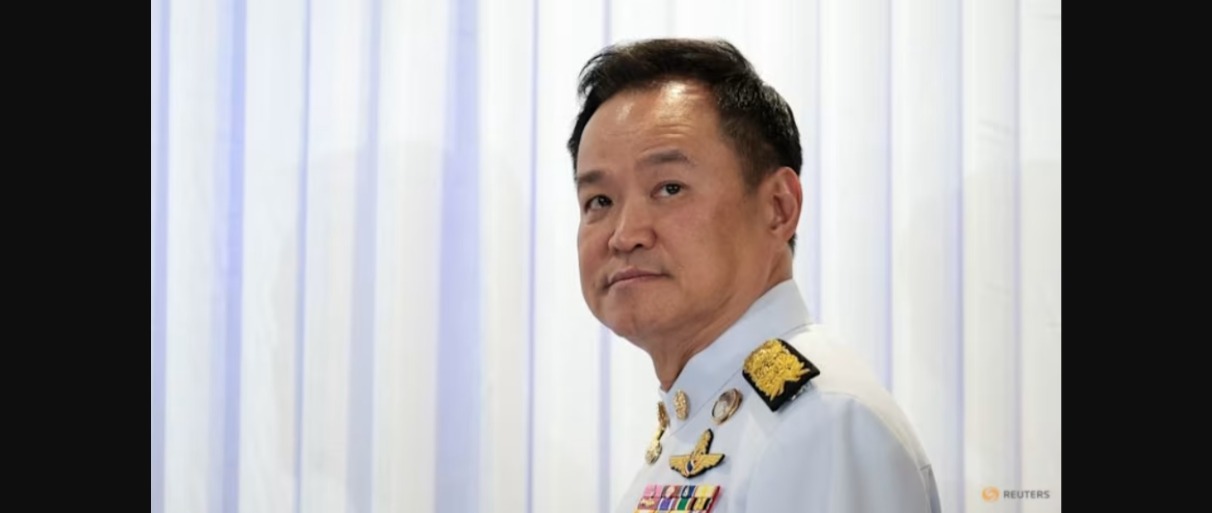
Prime Minister Anutin Charnvirakul said the borrowing decree is intended to help address rising living costs, energy expenses, and economic pressures affecting households and businesses nationwide. (Reuters)
Thailand, like many countries in the region, has faced higher energy costs and weaker consumer spending amid global uncertainty. Policymakers are attempting to prevent a deeper slowdown while also supporting businesses hit by weaker tourism revenues and slower exports.
The borrowing package is expected to fund energy support measures, economic stimulus programs, and social assistance. However, critics worry about rising public debt and whether stimulus measures alone can resolve structural weaknesses in the Thai economy.
Economic analysts also noted that Thailand’s central bank recently lowered its 2026 growth forecasts amid concerns linked to global conflicts, tourism weakness, and international trade uncertainty. (Reuters)
Tourism Industry Faces New Concerns
Tourism remains one of Thailand’s most important economic sectors, but headlines today showed growing anxiety within the industry despite optimistic government projections.
Hotel operators, tourism entrepreneurs, and business owners in major destinations such as Pattaya and Bangkok have warned that visitor spending is weakening significantly. Industry groups say occupancy rates in some areas have fallen sharply, with certain Pattaya hotels reporting occupancy levels near 30 percent. (Thai Examiner)
Businesses along Bangkok’s famous Khao San Road also reported slower bookings and declining customer spending after the Songkran holiday period. Rising operational costs, including food, fuel, and packaging expenses, have added additional pressure. (Thai Examiner)
At the same time, Thailand’s tourism authorities continue to promote ambitious visitor targets. Some government-linked forecasts expect as many as 35 million international tourists in 2026, while officials increasingly emphasize “high-value tourism” rather than simply maximizing visitor numbers. (The Economic Times)
Thailand is also preparing new tourism-related policies, including discussions about mandatory health insurance requirements for foreign visitors. Reports indicate authorities are attempting to reduce the financial burden of unpaid medical costs involving tourists. (nationthailand)
Another development attracting attention today involved increased airport fees scheduled to take effect later this year for travelers departing major Thai airports, including Bangkok and Phuket. Industry observers are watching closely to see whether higher fees could impact tourism demand during an already fragile recovery period. (Travel and Tour World)
Despite current challenges, tourism leaders remain hopeful that Thailand’s strong international brand, cultural appeal, beaches, cuisine, and entertainment sector will continue attracting millions of visitors.
Thailand and Cambodia Seek Diplomatic Reset
Regional diplomacy was another major focus today following recent talks between Thai and Cambodian leaders aimed at reducing tensions after deadly border clashes in 2025.
According to Reuters and Thai PBS World, Prime Minister Anutin Charnvirakul and Cambodian Prime Minister Hun Manet agreed during ASEAN-related discussions to pursue confidence-building measures and avoid renewed conflict. (Reuters)
The two countries experienced severe tensions last year, including military confrontations, airstrikes, and artillery exchanges that reportedly killed around 150 people and displaced hundreds of thousands. Although a ceasefire was eventually achieved, political distrust remains high.
Recent disagreements over offshore energy exploration and maritime agreements have added further complications. Thai political figures continue debating the legal and diplomatic consequences of ending certain bilateral arrangements with Cambodia. (nationthailand)
Today’s discussions were therefore viewed as an important step toward stabilizing relations and preventing further escalation. ASEAN mediators and regional observers have encouraged both governments to maintain dialogue and avoid inflammatory rhetoric.
Thailand Prepares for IMF–World Bank Meetings
Thailand is also preparing to host one of the most important international economic gatherings of the year: the 2026 IMF–World Bank Annual Meetings in Bangkok.
Prime Minister Anutin Charnvirakul announced the establishment of three special committees to coordinate preparations for the event, which is expected to attract more than 15,000 delegates from nearly 190 countries. (nationthailand)
Officials described the conference as a “financial and fiscal Olympics” that could significantly improve Thailand’s international profile and stimulate tourism, investment, and business opportunities.
The meetings will focus not only on economic policy but also on showcasing Thailand’s culture, hospitality, infrastructure, and modernization efforts. The official theme, “Thailand’s New Horizons: Empowering People, Building Resilience,” reflects the government’s attempt to present the country as stable and future-oriented. (nationthailand)
Preparations include security planning, transportation management, protocol coordination, and public health measures.
Political Stability Still Shapes Economic Confidence
Many of today’s stories reflected a deeper underlying issue: Thailand’s ongoing struggle with political stability.
Over the past two decades, Thailand has experienced repeated cycles of elections, military intervention, court rulings, party dissolutions, and leadership changes. This instability has frequently affected investor confidence, economic planning, and public trust.
Thai PBS World recently warned that prolonged political uncertainty continues to affect consumer spending, private investment, and economic growth. (Thai PBS World)
The aftermath of the recent general election remains central to Thailand’s political conversation. Coalition politics, constitutional debates, and disagreements among political parties continue influencing policymaking and governance. (Wikipedia)
The release of Thaksin Shinawatra therefore arrives at a particularly sensitive moment. While supporters see him as a democratic political figure unfairly targeted for years, critics remain wary of his continued influence over Thai politics.
At the same time, a younger generation of voters increasingly supports reform-oriented politics, creating new political dynamics that differ from the polarized conflicts of the past. (youtube.com)
Media, Transparency, and Public Debate
Thai media organizations themselves also remained part of the national conversation.
Recent scrutiny involving Thai PBS and questions over public funding, transparency, and editorial independence have fueled broader debates about media accountability in Thailand. (nationthailand)
Meanwhile, discussions on social media and online forums showed continuing public debate about which Thai news organizations offer the most reliable and balanced reporting. Some commentators praised Thai PBS for in-depth coverage, while others continued favoring established English-language publications such as the Bangkok Post and The Nation. (Reddit)
As Thailand continues navigating rapid political and economic change, media credibility remains highly important in shaping public understanding of events.
Conclusion
Thailand’s top stories on May 11, 2026 reveal a country at an important crossroads.
The release of Thaksin Shinawatra highlighted the enduring influence of one of the nation’s most consequential political figures, even as Thailand attempts to move into a new political era. At the same time, the government is aggressively pursuing foreign investment, preparing for major global economic events, and trying to stabilize growth amid tourism concerns and rising living costs.
Diplomatic efforts with Cambodia suggest a desire for regional stability, while domestic political tensions continue shaping the national mood. Across Thai newspapers, broadcasters, and digital platforms today, one message was clear: Thailand is seeking resilience and renewal in an increasingly uncertain global environment.
Whether through economic modernization, tourism reform, political compromise, or international engagement, the country is attempting to position itself for a more stable future while still confronting the unresolved issues of its past.
Leave a Reply